

Operation Process and Working Principle of Melamine Powder Pneumatic Conveying Machine
Shandong HeadPowder Engineering Co., Ltd., a professional manufacturer based in Shandong, China, specializes in the design and production of advanced pneumatic conveying systems tailored for handling melamine powder. As a key player in the powder processing industry, the company's products are engineered to meet the stringent requirements of high-purity applications, ensuring efficient and reliable material transport. This article delves into the operation process and working principle of a melamine powder pneumatic conveying machine, highlighting the technical aspects and operational efficiency of such equipment.
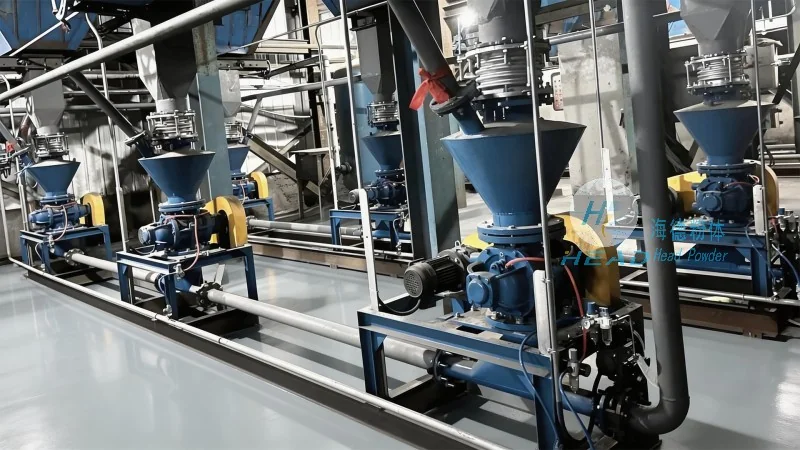
Melamine powder, widely used in various industrial applications including coatings, adhesives, and plastics, demands precise handling to maintain its quality and prevent contamination. Traditional bulk material handling methods often fall short in meeting the needs of this fine powder, making pneumatic conveying an ideal solution. The melamine powder pneumatic conveying machine offered by HeadPowder combines advanced engineering with robust construction to provide a seamless and effective transport solution for melamine powder.
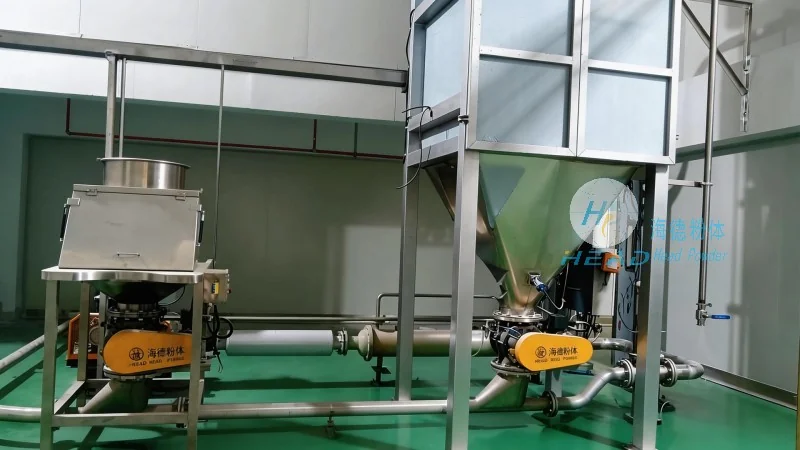
System Overview and Key Components
The melamine powder pneumatic conveying machine typically consists of several core components that work in tandem to achieve efficient material transport. These include a hopper for material storage, a feeder to control the flow rate, a conveying line (often equipped with pressure vessels or ducts), a control system for air flow regulation, and a receiver for the discharged material. Each component plays a critical role in the overall operation, ensuring that the melamine powder is handled safely and efficiently.
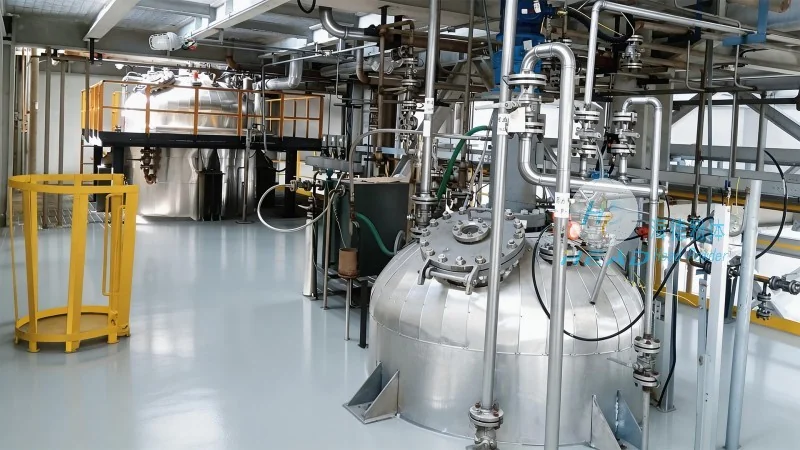
Operation Process: Step-by-Step Execution
The operation of the melamine powder pneumatic conveying machine follows a systematic sequence to ensure consistent and reliable performance. The process begins with the loading of melamine powder into the hopper. The feeder then regulates the flow of powder into the conveying line, while the control system adjusts the air pressure and flow rate to maintain optimal conveying conditions. As the powder is mixed with the air stream, it is propelled through the ducts under pressure, reaching the receiver where it is collected. The control system continuously monitors parameters such as pressure, flow rate, and temperature to prevent any operational issues and ensure the process runs smoothly.
Working Principle: Air Dynamics and Material Transport
The working principle of the melamine powder pneumatic conveying machine is based on the principles of fluid dynamics and air pressure. The system operates by creating a pressure differential between the hopper and the receiver. When the feeder introduces melamine powder into the conveying line, the control system injects compressed air, which creates a high-velocity air stream. This air stream entrains the powder particles, forming a dense phase or dilute phase flow depending on the system design. The pressure and velocity of the air stream determine the conveying capacity and distance, allowing for effective transport of melamine powder over varying distances and heights.
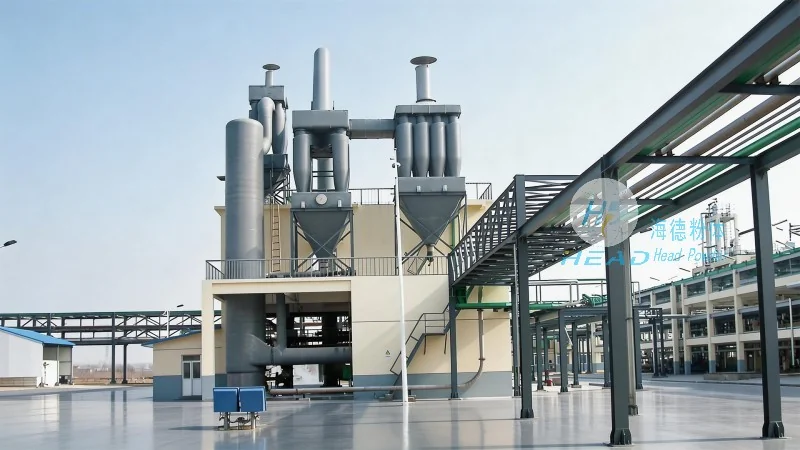
Advantages and Technical Considerations
Using a melamine powder pneumatic conveying machine offers several advantages over traditional methods. It eliminates the need for mechanical components like belts or screws, reducing maintenance and wear. The enclosed system prevents dust contamination and environmental pollution, which is crucial for high-purity applications. Additionally, the system can handle fine powders without causing segregation or agglomeration, maintaining the quality of the melamine powder. Technical considerations include the selection of appropriate air pressure, the design of the conveying line to minimize pressure drop, and the use of filters to prevent particle buildup in the system.