

Operation Process and Working Principle of Rapid Material Loading Pneumatic Conveying System Equipme
For industrial operations that require efficient and reliable material handling, the rapid material loading pneumatic conveying system stands out as a sophisticated solution. This technology, developed by Shandong HeadPowder Engineering Co., Ltd., a leading manufacturer based in Shandong, China, is designed to streamline the process of transporting bulk materials with precision and speed. The system integrates advanced engineering principles to ensure optimal performance in various industrial applications, from food processing to chemical manufacturing.
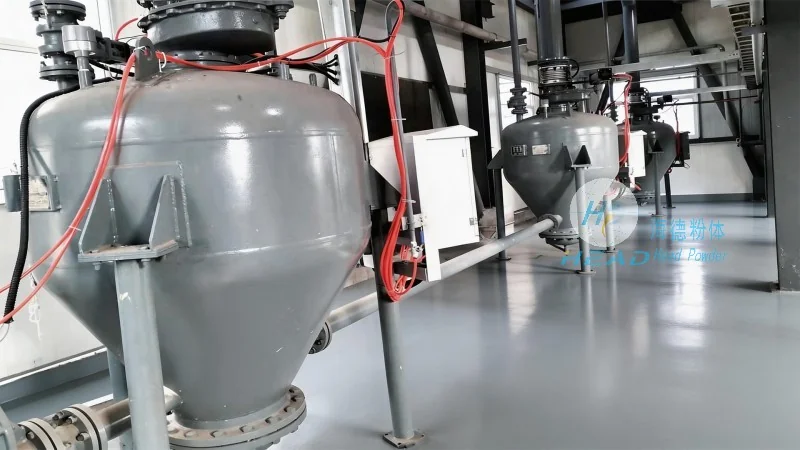
Key Components and Structure of the System
The rapid material loading pneumatic conveying system comprises several critical components that work in tandem to achieve seamless material transport. At the core of the system is the material hopper, which serves as the initial storage and feeding unit. This hopper is equipped with a high-capacity feeder, typically a rotary valve or a screw feeder, that regulates the flow of material into the conveying line. The feeder ensures consistent and controlled discharge of bulk materials, preventing blockages and maintaining a steady flow rate. Connected to the hopper is the conveying line, which can be either a flexible hose or a rigid pipe, depending on the application requirements. The line is equipped with pressure regulators and filters to maintain the integrity of the air stream and the purity of the conveyed material. Additionally, the system includes a dust collection unit, which is essential for maintaining air quality and preventing dust accumulation in the facility. The entire system is powered by a high-pressure air compressor, which generates the necessary airflow to move the material through the conveying line.
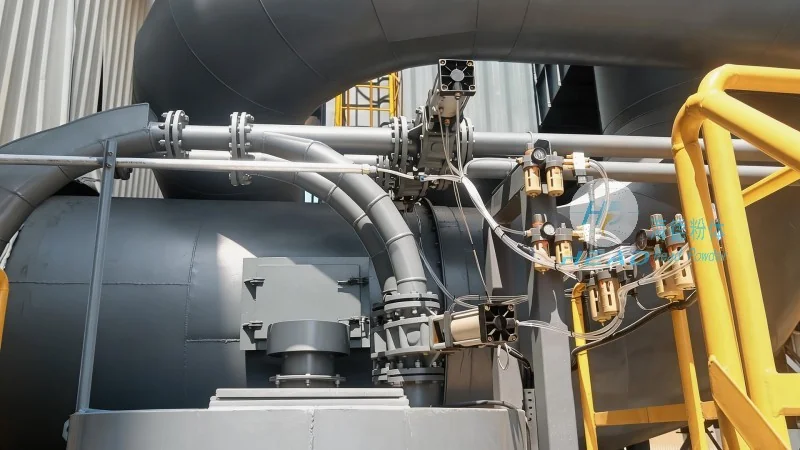
Operation Process: Step-by-Step Explanation
The operation of the rapid material loading pneumatic conveying system follows a systematic sequence of steps, ensuring efficient material transport from the source to the destination. The process begins with the loading of bulk materials into the material hopper. Once the hopper is filled, the high-pressure air compressor is activated, generating a strong airflow that enters the conveying line. The material feeder then starts to discharge the material into the air stream, where it is entrained and carried through the line. As the material travels through the conveying line, it passes through various sections, including bends and elbows, which are designed to maintain the flow direction without causing material degradation or blockages. The conveying line leads to the discharge point, where the material is collected in a receiving hopper or directly into the processing equipment. The system is equipped with sensors and control panels that monitor the pressure, flow rate, and material level, allowing for real-time adjustments to optimize performance. The entire operation is automated, with minimal human intervention required, enhancing efficiency and reducing operational costs.
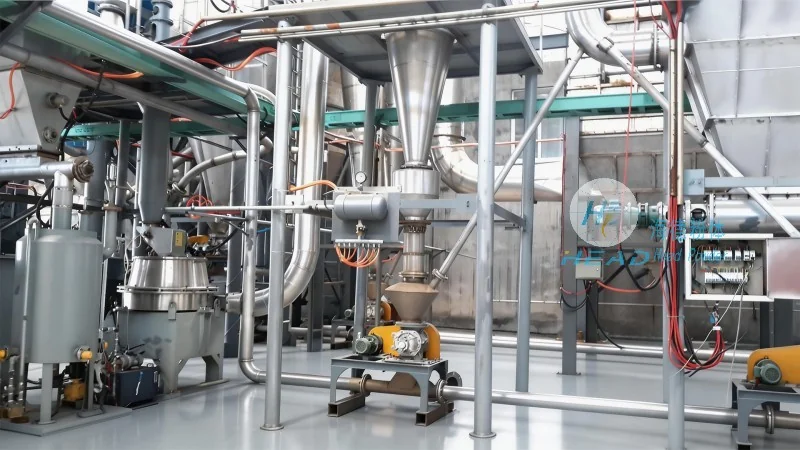
Working Principle: How the System Transfers Materials
The working principle of the rapid material loading pneumatic conveying system is based on the fundamental concept of pneumatic transport, where materials are suspended and transported by an air stream. The system operates under positive pressure, meaning that the air pressure in the conveying line is higher than the ambient air pressure. This pressure differential creates a force that propels the material particles through the line. The material is typically in a dry, free-flowing state, which allows it to be easily entrained by the air stream. The air compressor provides the necessary energy to move the material, while the feeder controls the rate of material discharge. The conveying line is designed to minimize friction and resistance, ensuring that the material travels smoothly and efficiently. The dust collection unit plays a crucial role in maintaining the air quality by capturing any fine particles that may be carried along with the material. The system's design ensures that the material is transported without degradation, preserving its quality and characteristics. This principle of operation makes the rapid material loading pneumatic conveying system an ideal solution for industries that require fast, reliable, and clean material handling.
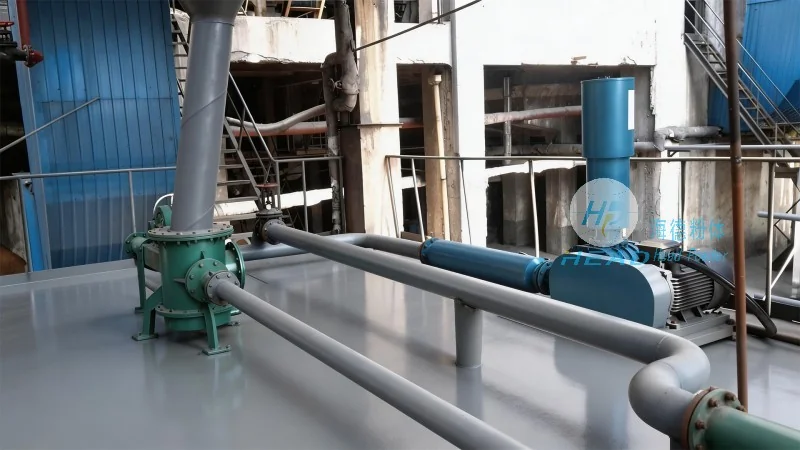
Advantages and Applications of the System
The rapid material loading pneumatic conveying system offers several advantages that make it a preferred choice for industrial applications. One of the key benefits is its high efficiency, as it can transport large volumes of material in a short period, reducing downtime and increasing productivity. The system is also highly flexible, as it can be customized to suit different material types and processing requirements. Additionally, the system is compact and space-saving, making it suitable for facilities with limited space. The automated operation reduces the need for manual labor, enhancing safety and reducing labor costs. The system is also environmentally friendly, as it uses compressed air, which is a clean and renewable energy source. The rapid material loading pneumatic conveying system is widely used in various industries, including food and beverage, pharmaceuticals, chemicals, and mining. In the food industry, it is used to transport grains, powders, and other food products with minimal contamination. In the pharmaceutical industry, it is used to transport active ingredients and other materials with high purity requirements. In the chemical industry, it is used to transport powders and granules with varying properties. The system's versatility and efficiency make it an essential component in modern industrial operations.