

Operation Process and Working Principle of Epoxy Resin Pneumatic Conveying Machines
HeadPowder, a leading manufacturer based in Shandong, China, specializes in the design and production of advanced pneumatic conveying systems tailored for epoxy resin applications. This article provides a detailed overview of the operation process and working principles of epoxy resin pneumatic conveying machines, highlighting key components, operational mechanisms, and the benefits of such systems in industrial settings.
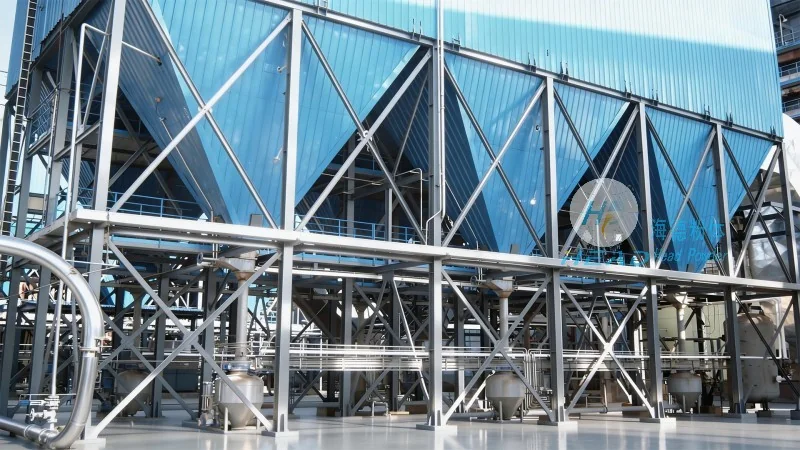
Understanding Pneumatic Conveying Technology
Pneumatic conveying is a method of transporting bulk materials, such as powders and granules, through a pipeline using compressed air or other gases. In the context of epoxy resin, this technology offers a efficient, dust-free, and flexible solution for material handling. The core principle involves creating a pressure differential within the system to move the resin particles from the source to the destination. This approach eliminates the need for mechanical components like belts or screws, reducing maintenance and operational costs while ensuring a clean and safe working environment.
Key Components of Epoxy Resin Pneumatic Conveying Systems
The effectiveness of an epoxy resin pneumatic conveying system relies on several critical components that work in harmony to achieve optimal performance. These include:
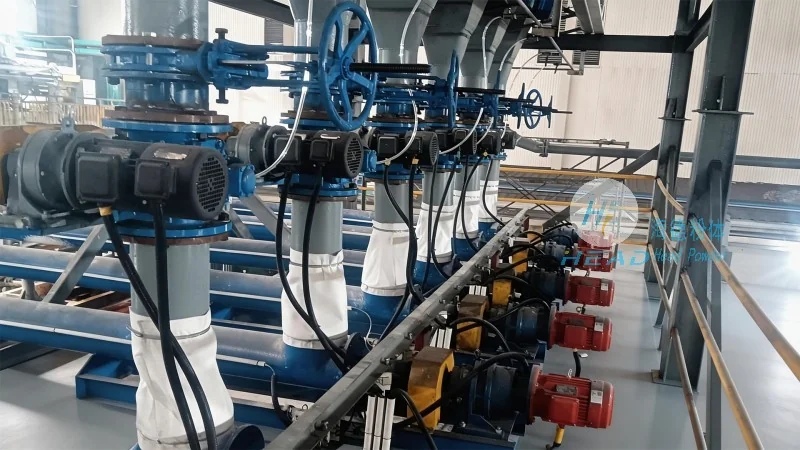
- Feed Hopper: A container that holds the epoxy resin powder and feeds it into the conveying line. It often features a metering valve to control the flow rate, ensuring consistent material delivery.
- Conveying Line: A network of pipes that transports the resin particles. The line is typically made of materials resistant to chemical corrosion, such as stainless steel or specialized polymers, to withstand the properties of epoxy resins.
- Compressor or Blower: The heart of the system, this component generates the compressed air or gas needed to create the pressure differential. The choice between a compressor and a blower depends on the system's requirements, including the material's characteristics and the distance to be conveyed.
- Separation and Collection Equipment: At the receiving end, this equipment, such as cyclones or filters, separates the resin particles from the air stream and collects them in a designated container. This step is crucial for maintaining product purity and preventing contamination.
- Control System: An integrated control panel that monitors and regulates the system's operations. It allows operators to adjust parameters like pressure, flow rate, and feed speed, ensuring smooth and efficient performance.
The Operation Process of Epoxy Resin Pneumatic Conveying
The operation of an epoxy resin pneumatic conveying machine follows a systematic sequence to ensure reliable material transport. Here's a step-by-step breakdown:
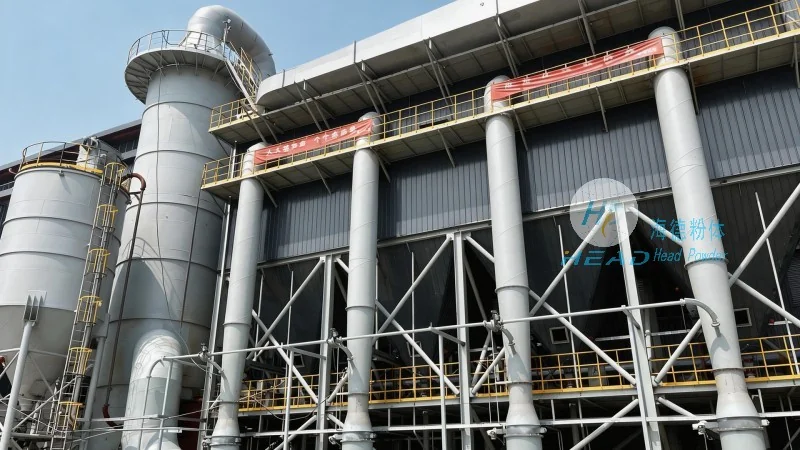
- Material Loading: The epoxy resin powder is loaded into the feed hopper. The hopper is designed to prevent material bridging or caking, which could disrupt the flow.
- Compression and Air Injection: The compressor or blower starts, generating compressed air. This air is introduced into the conveying line, creating a pressure difference between the hopper and the receiving end.
- Material Suspension: As the air flows through the line, it lifts and suspends the epoxy resin particles, forming a dense phase or dilute phase stream depending on the system design. The density of the stream affects the conveying velocity and energy consumption.
- Transport to Destination: The suspended resin particles are carried through the pipeline to the collection or processing point. The system's design, including pipe diameter and length, determines the conveying distance and efficiency.
- Separation and Collection: At the receiving end, the air and resin particles enter the separation equipment. The cyclone or filter separates the particles from the air, allowing the resin to be collected in a container while the air is either recirculated or vented.
- System Monitoring: The control system continuously monitors parameters like pressure, flow rate, and temperature. Any deviations are detected and adjusted in real-time to maintain optimal performance and prevent system failures.
Working Principles and Advantages
The working principle of epoxy resin pneumatic conveying is based on the interaction between the material particles and the air stream. The key principles include:
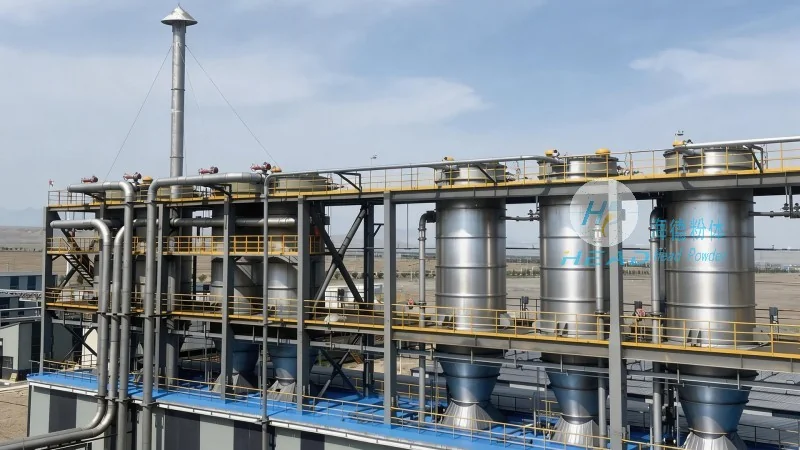
- Pressure Differential: The primary driving force is the pressure difference created by the compressor or blower. This differential propels the resin particles through the pipeline.
- Fluidization: The air stream fluidizes the resin particles, allowing them to move freely and be transported as a fluid-like stream.
- Particle Size and Density: The size and density of the epoxy resin particles influence the conveying velocity and system design. Smaller particles may require higher air velocities for effective transport.
Implementing a pneumatic conveying system for epoxy resin offers several advantages over traditional methods:
- Dust-Free Operation: Unlike mechanical systems, pneumatic conveying eliminates dust generation, improving workplace safety and reducing product contamination.
- Flexibility and Scalability: The system can be easily expanded or reconfigured to accommodate changes in production volume or material types.
- Reduced Maintenance: With fewer moving parts compared to mechanical conveyors, the pneumatic system requires less maintenance, leading to lower operational costs.
- Energy Efficiency: Advanced designs, such as dense phase conveying, optimize energy usage by minimizing air consumption while ensuring efficient material transport.
- Product Purity: The enclosed system prevents contamination from external sources, maintaining the quality and integrity of the epoxy resin.
Conclusion
HeadPowder's epoxy resin pneumatic conveying machines exemplify the advanced technology and engineering expertise of Shandong HeadPowder Engineering Co., Ltd. By understanding the operation process and working principles, industries can leverage these systems to enhance material handling efficiency, improve safety, and reduce operational costs. The integration of robust components and intelligent control systems ensures reliable performance, making pneumatic conveying a preferred choice for epoxy resin applications in various industrial sectors.