

Common Fiber Conveying Methods: An Overview of Pneumatic Fiber Conveying
Efficient and reliable fiber conveying is a critical component in many industrial processes, ensuring that raw materials and finished products are transported safely and effectively. The choice of conveying method can significantly impact operational efficiency, product quality, and overall system performance. Among the various options available, pneumatic fiber conveying stands out as a versatile and widely adopted solution for handling fibrous materials.
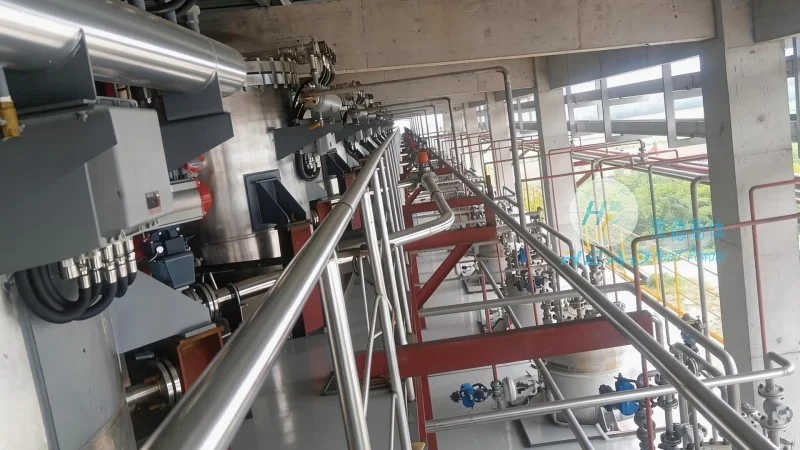
When considering fiber conveying systems, several methods are commonly employed. These include mechanical conveyors, such as belt conveyors and screw conveyors, which are effective for bulk materials but may not be suitable for delicate or fine fibers. Additionally, vacuum and pressure-based systems offer alternatives, but they often require specialized equipment and maintenance. In contrast, pneumatic fiber conveying utilizes air to transport materials, providing a flexible and efficient approach that is particularly well-suited for fibrous substances.
Shandong HeadPowder Engineering Co., Ltd., a leading provider in the field, specializes in the design, manufacturing, and installation of advanced fiber conveying solutions. With a strong focus on innovation and customer-centric service, the company has established itself as a trusted partner for businesses seeking reliable and efficient fiber handling systems. HeadPowder's expertise spans a wide range of applications, from food processing to pharmaceuticals, ensuring that their solutions meet the unique demands of each industry.
Pneumatic Fiber Conveying: A Detailed Overview
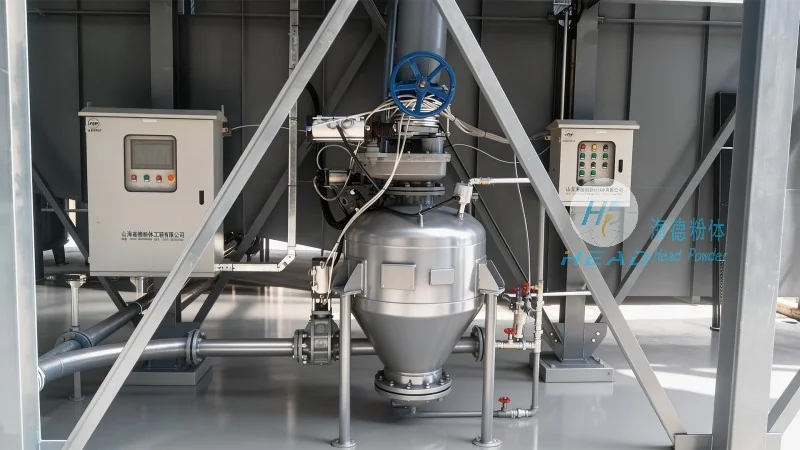
One of the most common fiber conveying methods is pneumatic fiber conveying, which operates by using compressed air to move materials through a pipeline. This method is particularly effective for handling fine or abrasive fibers, as it minimizes material degradation and reduces the risk of contamination. The system typically consists of a blower, a hopper for material storage, and a series of pipes that direct the flow of the material. By controlling the air pressure and flow rate, operators can precisely regulate the speed and direction of the fiber transport, ensuring optimal performance.
Key Advantages of Pneumatic Fiber Conveying
Key advantages of pneumatic fiber conveying include its ability to handle a wide variety of fiber types, including wood, paper, and synthetic fibers. The system is also highly flexible, allowing for easy integration into existing production lines and modifications to accommodate changing production needs. Furthermore, pneumatic conveying systems are generally low-maintenance, with fewer moving parts compared to mechanical alternatives, reducing downtime and operational costs. This makes them an attractive option for businesses looking to improve efficiency and reduce long-term expenses.
Application Scenarios for Pneumatic Fiber Conveying
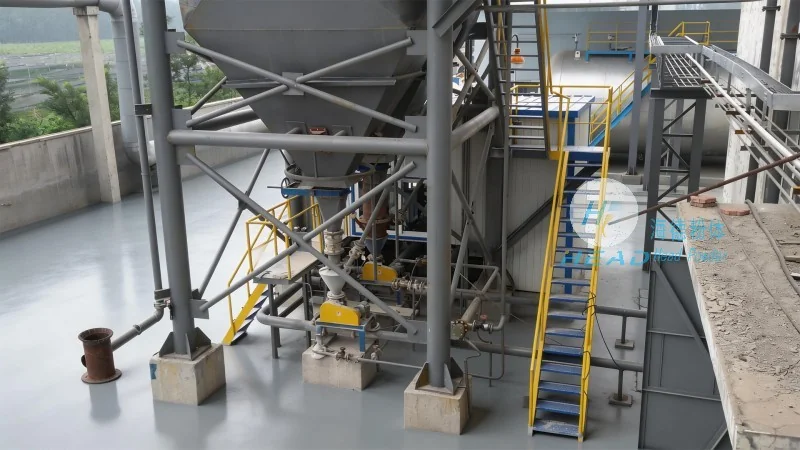
Application scenarios for pneumatic fiber conveying are diverse and widespread. In the food industry, for example, pneumatic systems are used to transport grains, flour, and other foodstuffs, ensuring that the materials remain clean and free from contamination. In the pharmaceutical sector, these systems are employed to handle active pharmaceutical ingredients (APIs) and other sensitive materials, where precision and hygiene are paramount. Additionally, in the paper and pulp industry, pneumatic conveying is used to transport raw fibers and finished products, contributing to the overall efficiency of the manufacturing process.
Factors to Consider When Choosing a Fiber Conveying System
When evaluating fiber conveying systems, several factors should be considered to ensure the best fit for a specific application. These include the type and size of the fibers, the required conveying distance, and the desired throughput. Pneumatic fiber conveying systems are particularly effective for short to medium distances, with some systems capable of transporting materials over several hundred meters. However, for longer distances, alternative methods such as mechanical conveyors may be more suitable. Additionally, the material's moisture content and density can impact the system's performance, and proper design considerations are essential to achieve optimal results.
Company Profile: Shandong HeadPowder Engineering Co., Ltd.
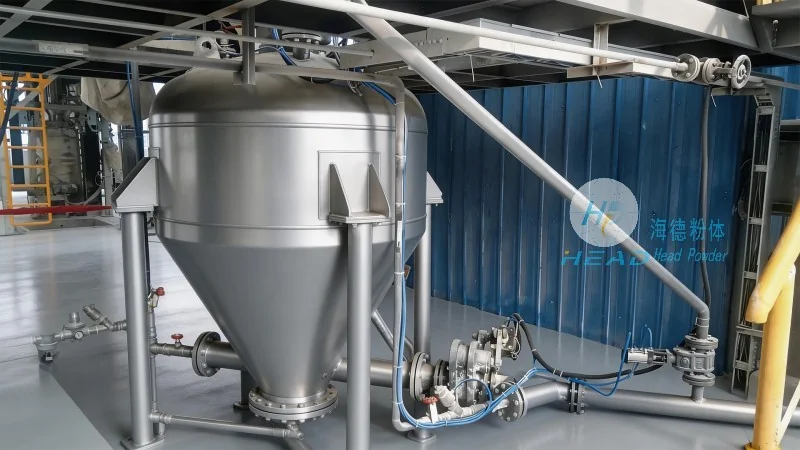
Shandong HeadPowder Engineering Co., Ltd. offers comprehensive solutions tailored to these considerations, providing customized fiber conveying systems that meet the unique requirements of each client. The company's team of experts works closely with customers to assess their needs, design efficient systems, and ensure successful implementation. With a commitment to quality and customer satisfaction, HeadPowder has built a reputation for delivering reliable and durable fiber conveying solutions that enhance operational efficiency and reduce costs.
As industries continue to evolve and demand higher standards of efficiency and reliability, the importance of advanced fiber conveying systems cannot be overstated. Pneumatic fiber conveying, with its versatility and effectiveness, remains a top choice for many businesses. By leveraging the expertise of companies like Shandong HeadPowder Engineering Co., Ltd., organizations can ensure that their fiber handling processes are optimized, leading to improved productivity and competitive advantage.