

Dry Yeast Pneumatic Conveying System: A Comprehensive Overview
HeadPowder, a leading provider in the field, specializes in advanced pneumatic conveying solutions tailored for the dry yeast industry. Based in Shandong, China, the company has established itself as a trusted partner for businesses seeking efficient and reliable material handling systems. This article delves into the technical aspects, operational benefits, and practical applications of dry yeast pneumatic conveying systems, offering insights that can help stakeholders make informed decisions about their material handling needs.
Understanding Pneumatic Conveying for Dry Yeast
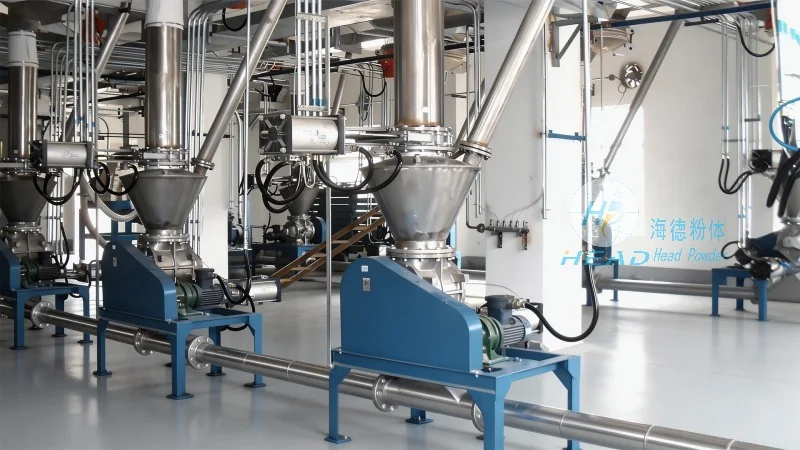
Pneumatic conveying systems utilize air or gas to transport dry materials like yeast through a network of pipes. For dry yeast, which is a fine, powdery substance, traditional methods such as manual handling or bulk bags can lead to contamination, loss, and inefficiencies. Pneumatic conveying offers a hygienic, dust-free, and automated solution that preserves the quality of the yeast while optimizing the production process. The system typically consists of a hopper, a blower or compressor, a conveying line, and a discharge point, all working in tandem to move the yeast from one location to another with minimal human intervention.
Key Components of a Dry Yeast Pneumatic Conveying System
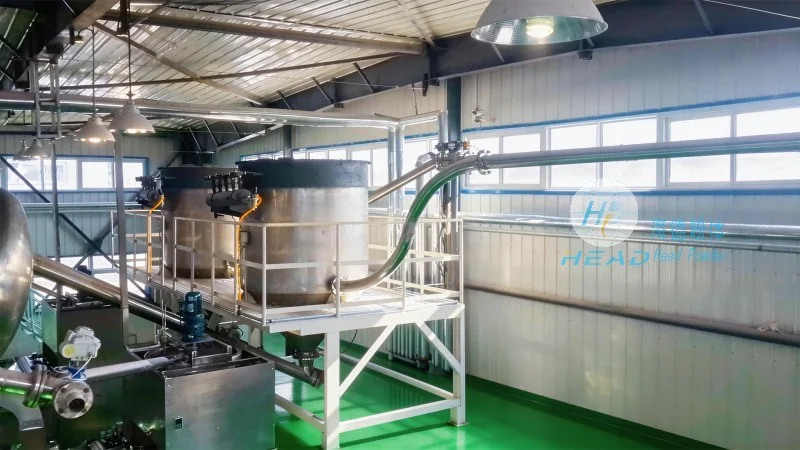
At the core of any effective dry yeast pneumatic conveying system are several critical components that ensure smooth operation and optimal performance. The hopper is the initial storage and feeding unit, designed to hold the yeast and regulate the flow into the system. It often includes features like level indicators and discharge valves to control the material release. The blower or compressor provides the necessary air pressure to move the yeast through the conveying line. This component can be either positive displacement or centrifugal, depending on the system's requirements and the material's characteristics. The conveying line itself is usually made of stainless steel or other corrosion-resistant materials to maintain hygiene and prevent contamination. It may include bends, elbows, and straight sections, with appropriate fittings to ensure the air and yeast flow smoothly without blockages. The discharge point, such as a receiver or a processing unit, collects the yeast at the destination, completing the conveying process.
Advantages of Using Pneumatic Conveying for Dry Yeast
Implementing a pneumatic conveying system for dry yeast processing offers numerous advantages that enhance operational efficiency and product quality. One of the primary benefits is the hygienic and dust-free environment, which is crucial for food-grade products like yeast. Unlike traditional methods that expose the material to air and potential contaminants, pneumatic conveying keeps the yeast enclosed within the system, reducing the risk of microbial growth or cross-contamination. This not only improves product safety but also extends the shelf life of the yeast. Additionally, the system minimizes material loss, as the conveying process is highly efficient and reduces spillage or waste. For businesses, this translates to cost savings and better resource management. Another advantage is the automation aspect, which reduces labor costs and increases productivity. With automated feeding and conveying, the system can operate continuously without the need for constant human supervision, allowing for 24/7 production. Furthermore, pneumatic conveying systems are flexible and can be easily integrated with existing production lines or expanded to accommodate increased production volumes. This adaptability makes them a long-term investment that can grow with the business.
Operational Considerations and Best Practices
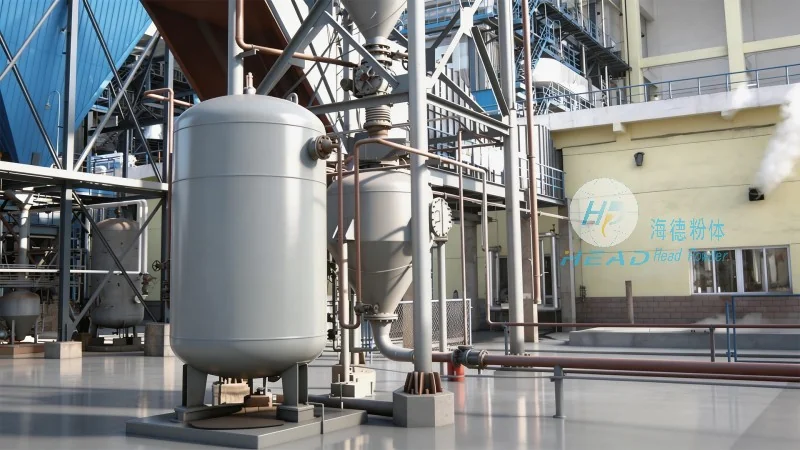
While pneumatic conveying systems offer significant benefits, proper operation and maintenance are essential to maximize their efficiency and lifespan. Several operational considerations must be taken into account to ensure optimal performance. First, the air pressure and flow rate must be carefully calibrated to match the characteristics of the dry yeast. Factors such as particle size, moisture content, and bulk density affect the conveying velocity and system pressure, and adjustments may be needed to prevent blockages or excessive energy consumption. Regular cleaning and maintenance of the system components are also critical. The hopper, conveying line, and discharge points should be cleaned regularly to prevent yeast buildup, which can lead to clogging or contamination. Filters and separators are often included in the system to remove any fine particles or moisture from the air, ensuring that the yeast remains dry and free from impurities. Additionally, monitoring the system's performance through sensors and data logging can help identify any issues early on, allowing for timely maintenance and preventing downtime. Best practices also include training personnel on the proper operation and maintenance of the system, as well as establishing a maintenance schedule to address potential problems before they escalate. By following these guidelines, businesses can ensure that their dry yeast pneumatic conveying system operates at peak efficiency, delivering consistent results and maintaining product quality.
Case Studies and Real-World Applications
HeadPowder has successfully implemented dry yeast pneumatic conveying systems for various clients across different industries, demonstrating the system's versatility and effectiveness. For example, a large yeast manufacturer in Shandong, China, upgraded its material handling process by installing a pneumatic conveying system from HeadPowder. The system replaced traditional bulk bag handling, which was time-consuming and prone to dust exposure. The new system allowed the manufacturer to process yeast more efficiently, reducing labor costs by 30% and minimizing product loss by 20%. The hygienic design of the system also improved the quality of the yeast, leading to higher customer satisfaction and repeat orders. Another case study involves a bakery supplier that integrated a pneumatic conveying system to transport yeast to multiple production lines. The system's flexibility allowed the supplier to adjust the conveying rate based on production demands, ensuring that each line received the right amount of yeast at the right time. This resulted in improved production efficiency and reduced downtime due to material shortages. These real-world examples highlight the practical benefits of dry yeast pneumatic conveying systems and how they can be tailored to meet specific business needs.