

Detailed Explanation of Carbon Particle Pneumatic Conveying Systems
Carbon particle pneumatic conveying systems represent a sophisticated technology for the efficient transport of carbon-based materials. These systems utilize air or other gases to move granular or powdered carbon products through pipelines, offering advantages such as reduced contamination, improved safety, and enhanced process control. The design and implementation of such systems are critical for industries relying on carbon materials, including graphite, carbon black, and other carbonaceous substances.
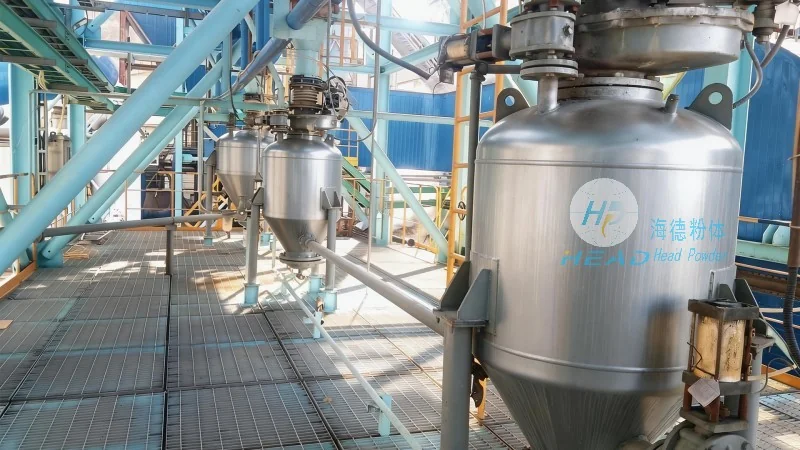
Company Introduction: Shandong HeadPowder Engineering Co., Ltd.
HeadPowder, operating under the full name Shandong HeadPowder Engineering Co., Ltd., is a leading provider of engineering solutions for material handling and processing. With a focus on innovation and precision, the company specializes in the design, manufacturing, and installation of pneumatic conveying systems tailored to the unique needs of the carbon industry. HeadPowder's expertise spans from system planning and equipment selection to commissioning and after-sales support, ensuring reliable and efficient operation for clients worldwide.
Key Components and Design Principles
The core components of a carbon particle pneumatic conveying system typically include a material feeder, a conveying line, a dust collection system, and a control unit. The material feeder ensures consistent and controlled feeding of carbon particles into the system, while the conveying line transports the material through the pipeline. A dust collection system is essential to capture and filter any airborne particles, maintaining air quality and preventing contamination. The control unit manages the system's operation, adjusting air pressure, flow rates, and other parameters to optimize performance and prevent issues like blockages or material degradation.
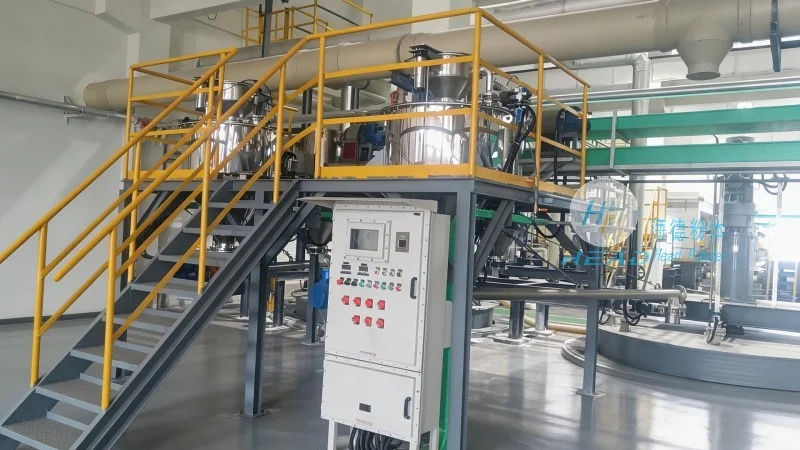
Advantages of Pneumatic Conveying for Carbon Materials
Compared to traditional mechanical conveying methods, pneumatic conveying offers several benefits for carbon particle transport. First, it minimizes product contamination, as the material is not in direct contact with metal or other surfaces. This is particularly important for high-purity carbon products, where even minor impurities can affect quality. Second, the system enhances safety by eliminating the need for manual handling of powders, reducing the risk of dust explosions and inhalation hazards. Third, pneumatic conveying allows for flexible and compact layouts, as the pipeline can be routed around obstacles and integrated into existing facilities. Additionally, the technology supports continuous operation, improving production efficiency and reducing downtime.
Application Scenarios and Industry Use Cases
Carbon particle pneumatic conveying systems are widely used in various industrial applications. In the graphite industry, these systems facilitate the transport of graphite powders and flakes from production lines to processing or packaging areas. For carbon black manufacturers, the technology ensures efficient movement of carbon black from reactors to storage or downstream processing steps. Other applications include the handling of activated carbon, carbon fibers, and other specialty carbon materials used in batteries, electrodes, and filtration systems. The adaptability of pneumatic conveying makes it suitable for both small-scale laboratory operations and large-scale industrial production lines.
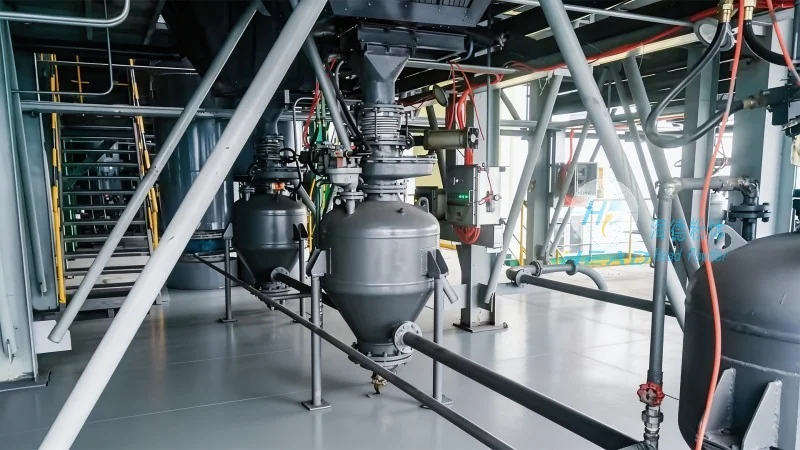
System Customization and Integration
HeadPowder recognizes that each carbon processing facility has unique requirements, and thus offers customized pneumatic conveying solutions. The company works closely with clients to assess their specific material characteristics, production volumes, and operational constraints to design a system that meets their needs. Customization may involve selecting appropriate air velocities, pipeline diameters, and material feeder types, as well as integrating the system with existing equipment or control networks. HeadPowder's engineers also consider factors such as material moisture content, particle size distribution, and desired conveying distances to ensure optimal performance and longevity of the system.
Maintenance and Operational Considerations
Proper maintenance is crucial to ensure the long-term reliability and efficiency of carbon particle pneumatic conveying systems. Regular inspections of components like material feeders, pipelines, and dust collectors help identify and address potential issues before they escalate. Cleaning procedures, such as back-purging or reverse air flow, are essential to prevent material buildup and blockages in the system. Additionally, monitoring air pressure and flow rates provides insights into system performance and can help detect early signs of wear or degradation. HeadPowder provides comprehensive maintenance services, including scheduled inspections, component replacement, and troubleshooting support, to help clients maintain their systems in optimal condition.