

Detailed Explanation of Crystal Particle Pneumatic Conveying Systems
Crystal particle pneumatic conveying systems represent a sophisticated method for transporting fine, dry materials such as crystals, powders, and granules. These systems utilize air or other gases to move particles through a pipeline, offering advantages like dust-free operation, reduced material degradation, and enhanced process control. The technology is widely adopted in industries including pharmaceuticals, food processing, chemical manufacturing, and mineral processing, where the handling of delicate or hygienic materials is critical.
Key Components of a Crystal Particle Pneumatic Conveying System
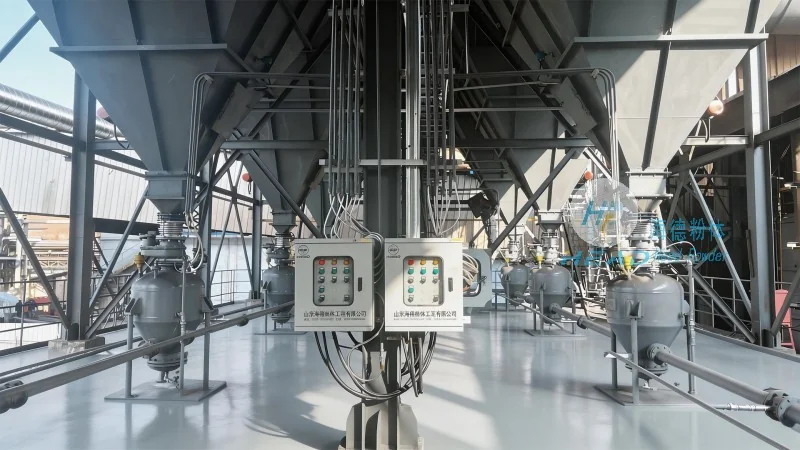
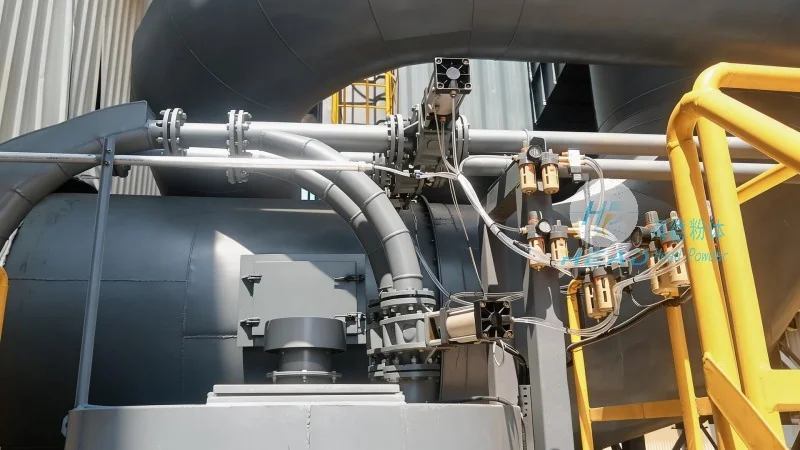
The core components of a crystal particle pneumatic conveying system include the material feed hopper, the air supply unit (typically a blower or compressor), the conveying pipeline, and the discharge equipment. The feed hopper is designed to store and meter the crystal particles, ensuring a consistent flow into the system. The air supply unit generates the necessary pressure or vacuum to move the particles through the pipeline. The conveying pipeline, often made of stainless steel or other corrosion-resistant materials, is configured with bends, elbows, and filters to maintain particle integrity and system efficiency. The discharge equipment, such as a rotary valve or a dust collector, collects the conveyed particles at the destination point, preventing material loss and contamination.
How Crystal Particle Pneumatic Conveying Works
The operation of a crystal particle pneumatic conveying system involves several stages. First, the crystal particles are fed from the hopper into the pipeline. Simultaneously, the air supply unit generates a flow of air that entrains the particles, creating a slurry-like mixture. This mixture travels through the pipeline under pressure or vacuum, depending on the system design. The air velocity is carefully controlled to ensure that the particles remain suspended without causing excessive wear or degradation. At the receiving end, the air is separated from the particles, and the particles are discharged into the target container. The separated air is then filtered and recycled back into the system, minimizing energy waste and environmental impact.
Advantages of Crystal Particle Pneumatic Conveying
Compared to traditional mechanical conveying methods, crystal particle pneumatic conveying offers several key advantages. Firstly, it eliminates the need for moving parts in contact with the material, reducing the risk of contamination and product degradation. This is particularly important for pharmaceutical and food applications where hygiene is paramount. Secondly, the system provides excellent process control, allowing for precise control of flow rates and particle distribution. This enables manufacturers to optimize production efficiency and product quality. Thirdly, pneumatic conveying systems are highly flexible, capable of transporting materials over long distances and through complex layouts without the need for additional infrastructure. Additionally, they can handle a wide range of particle sizes and shapes, making them suitable for diverse applications.
Applications in Various Industries
Crystal particle pneumatic conveying systems are utilized across multiple industries due to their versatility and efficiency. In the pharmaceutical industry, they are used to transport active pharmaceutical ingredients (APIs) and excipients, ensuring that the materials remain sterile and free from contamination. In food processing, the systems handle ingredients like sugar, flour, and spices, maintaining the quality and safety of the final products. The chemical manufacturing sector employs these systems for transporting catalysts, pigments, and other fine chemicals, where precise control over particle size and distribution is essential. In mineral processing, pneumatic conveying is used to transport minerals and ores, enabling efficient extraction and processing of raw materials. Each application leverages the system's ability to handle delicate materials while maintaining high throughput and low maintenance costs.
Company Overview: Shandong HeadPowder Engineering Co., Ltd.
Shandong HeadPowder Engineering Co., Ltd., operating under the brand name headpowder, is a leading provider of advanced material handling solutions, including crystal particle pneumatic conveying systems. The company is headquartered in Shandong, China, and specializes in designing, manufacturing, and installing customized pneumatic conveying systems tailored to the specific needs of its clients. With a focus on innovation and quality, headpowder has developed a range of systems that meet stringent industry standards for hygiene, efficiency, and durability. The company's team of engineers and technicians work closely with clients to understand their operational requirements and provide tailored solutions that enhance productivity and reduce operational costs.
Customization and Integration Services
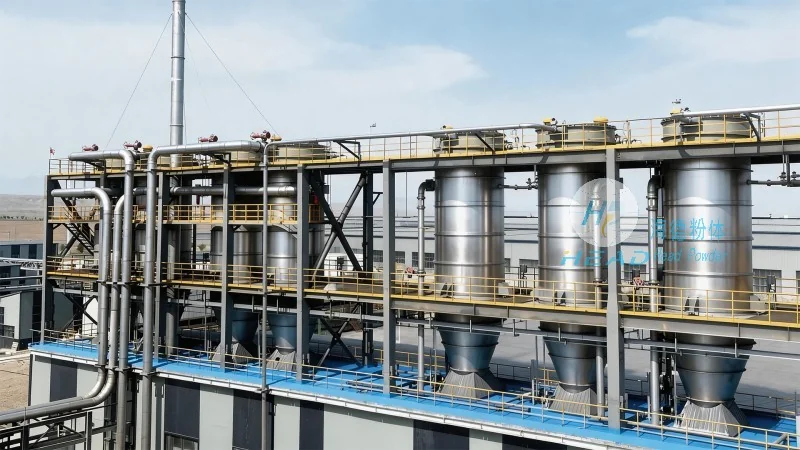
headpowder offers comprehensive customization and integration services to ensure that each crystal particle pneumatic conveying system meets the unique demands of its application. The company's engineers work with clients to design systems that optimize material flow, minimize energy consumption, and maximize system lifespan. Customization options include adjustments to pipeline diameter, air pressure, and material feed rates, as well as the integration of additional components such as dust collectors, filters, and control systems. headpowder also provides installation and commissioning services, ensuring that the system is properly set up and operational from the start. Additionally, the company offers maintenance and support services to help clients maintain optimal system performance over the long term.
Quality Assurance and Compliance
headpowder adheres to strict quality assurance protocols to ensure that all crystal particle pneumatic conveying systems meet or exceed industry standards. The company uses high-quality materials, such as stainless steel and corrosion-resistant alloys, in the construction of its systems to ensure durability and resistance to wear and corrosion. All components are rigorously tested for performance and reliability before installation. The company also complies with relevant industry regulations, including those related to hygiene and safety, ensuring that its systems are suitable for use in food, pharmaceutical, and other regulated industries. This commitment to quality and compliance has earned headpowder a reputation as a trusted partner in material handling solutions.
Conclusion
Crystal particle pneumatic conveying systems are a vital technology for efficiently and safely transporting delicate materials in various industries. With their ability to handle fine particles while maintaining hygiene and process control, these systems offer significant advantages over traditional conveying methods. Companies like Shandong HeadPowder Engineering Co., Ltd. play a crucial role in providing customized and reliable solutions that meet the evolving needs of modern manufacturing. By leveraging advanced engineering and quality standards, headpowder continues to deliver innovative material handling solutions that enhance productivity and product quality for its clients.