

Analysis of Ammonium Chloride Pneumatic Conveying Systems
Ammonium chloride, a widely used chemical compound in various industrial applications, often requires efficient and reliable transportation methods. Pneumatic conveying systems have emerged as a preferred solution for handling this material due to their ability to transport powders and granules in a closed system, minimizing dust exposure and ensuring product integrity. This article provides an in-depth analysis of the components, operation principles, and practical applications of an ammonium chloride pneumatic conveying system, highlighting the expertise of Shandong HeadPowder Engineering Co., Ltd. in designing and implementing such systems.
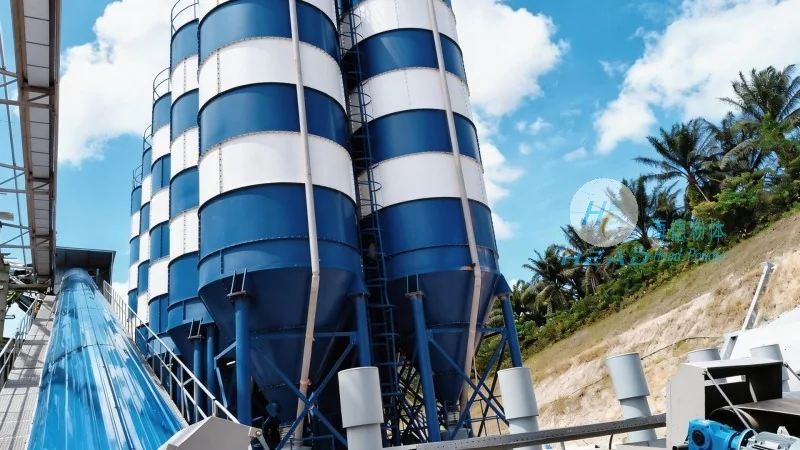
Key Components of the Ammonium Chloride Pneumatic Conveying System
The ammonium chloride pneumatic conveying system typically consists of several critical components that work in tandem to ensure smooth material transport. The primary elements include a hopper for material storage, a rotary airlock valve to control the flow of material into the conveying line, a venturi or pipeline with an air compressor to generate the necessary air pressure, and a receiver or discharge hopper to collect the material at the destination. Each component plays a vital role in maintaining the system's efficiency and safety. The hopper ensures a consistent feed of ammonium chloride, preventing blockages and ensuring a steady supply. The rotary airlock valve acts as a gate, allowing material to enter the conveying line while preventing backflow of air. The air compressor provides the driving force, creating a pressure differential that propels the material through the pipeline. The venturi or pipeline design is crucial for efficient air-material interaction, optimizing the conveying velocity and minimizing energy consumption. The receiver at the end of the system collects the material, completing the transport process.
Operation Principles and Flow Dynamics
The operation of an ammonium chloride pneumatic conveying system is based on the principle of air-driven transport. When the air compressor is activated, it generates a high-pressure air stream that flows through the pipeline. As the ammonium chloride material is introduced into the conveying line via the rotary airlock valve, it is entrained by the air stream and carried to the receiver. The flow dynamics within the system are governed by the air velocity, material density, and particle size. Proper air velocity is essential to ensure that the material particles are fully suspended and transported without settling or clogging the pipeline. The system's design must account for the specific properties of ammonium chloride, such as its bulk density and flow characteristics, to achieve optimal performance. Shandong HeadPowder Engineering Co., Ltd. specializes in tailoring the system parameters to match the unique requirements of each application, ensuring that the conveying process is both efficient and cost-effective.
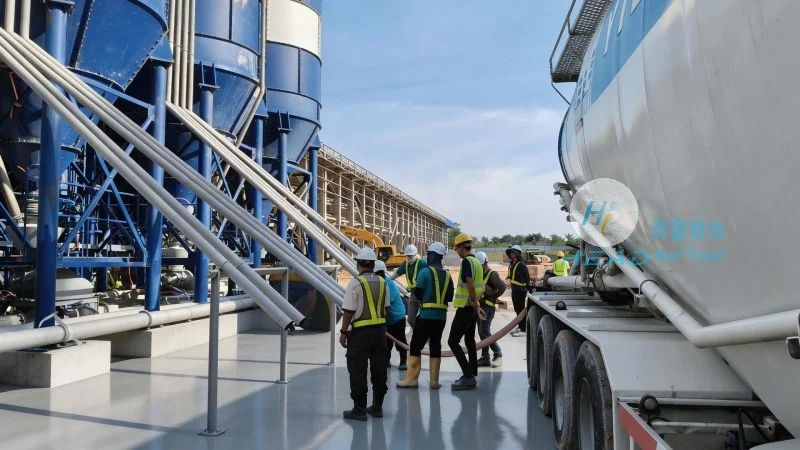
Advantages of Pneumatic Conveying for Ammonium Chloride Handling
Pneumatic conveying systems offer several advantages over traditional methods like bucket elevators or belt conveyors for handling ammonium chloride. One of the most significant benefits is the ability to transport the material in a closed system, which significantly reduces dust emissions and improves workplace safety. This is particularly important for ammonium chloride, which can be hazardous if inhaled in large quantities. Additionally, pneumatic conveying systems are more flexible in terms of layout, allowing for vertical, horizontal, or mixed-direction transport without the need for complex infrastructure. The closed system also helps maintain the purity of the material, preventing contamination from external sources. Another advantage is the energy efficiency of the system, especially when using efficient air compressors and optimized pipeline designs. Shandong HeadPowder Engineering Co., Ltd. leverages advanced engineering techniques to maximize energy savings while ensuring reliable operation. The system's ability to handle varying material flow rates and particle sizes also makes it suitable for a wide range of industrial applications, from small-scale processing to large-scale production.
Application Examples and Case Studies
The ammonium chloride pneumatic conveying system is widely used in various industries, including chemical manufacturing, food processing, and pharmaceuticals. For instance, in a chemical plant, the system can be used to transport ammonium chloride from storage silos to reaction vessels or packaging lines. In a food processing facility, it may be employed to move ammonium chloride used as a food additive or preservative. The system's adaptability allows it to be integrated into existing production lines with minimal disruption. Shandong HeadPowder Engineering Co., Ltd. has successfully implemented numerous such systems for clients, demonstrating its expertise in customizing solutions to meet specific operational needs. These case studies highlight the system's reliability, efficiency, and ability to enhance overall production processes. The company's approach to system design emphasizes durability, ease of maintenance, and compliance with industry standards, ensuring long-term performance and customer satisfaction.
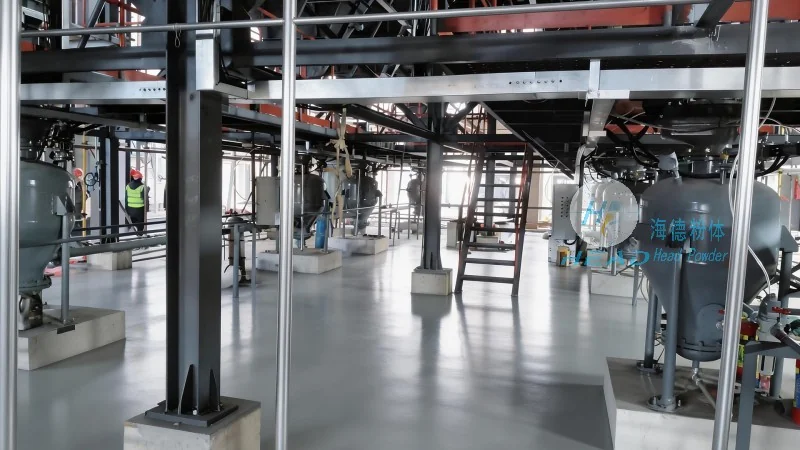
Maintenance and Operational Considerations
Proper maintenance is crucial to ensure the long-term performance and reliability of an ammonium chloride pneumatic conveying system. Regular inspection and maintenance of key components, such as the air compressor, rotary airlock valve, and pipeline, are essential to prevent breakdowns and extend the system's lifespan. The air compressor, for example, should be checked for proper lubrication and air filter maintenance to ensure consistent performance. The rotary airlock valve requires periodic cleaning to prevent material buildup and ensure smooth operation. The pipeline should be inspected for any signs of wear or damage, such as corrosion or abrasion, which could affect the system's efficiency. Shandong HeadPowder Engineering Co., Ltd. provides comprehensive maintenance services to its clients, including scheduled inspections, component replacement, and troubleshooting. The company's maintenance team is trained to handle the unique challenges of ammonium chloride handling, ensuring that the system operates at peak efficiency. Operational considerations also include monitoring the system's performance metrics, such as conveying velocity and pressure drop, to identify any issues early and take corrective action. By adhering to proper maintenance procedures and operational guidelines, users can maximize the system's lifespan and minimize downtime.
Conclusion and Future Developments
In conclusion, the ammonium chloride pneumatic conveying system is a highly effective and efficient method for transporting this critical chemical compound. The system's ability to operate in a closed environment, minimize dust exposure, and adapt to various industrial applications makes it a preferred choice for many industries. Shandong HeadPowder Engineering Co., Ltd. has established itself as a leader in the design and implementation of such systems, leveraging its expertise to deliver customized solutions that meet the unique needs of each client. As technology advances, future developments in pneumatic conveying systems may include more energy-efficient air compressors, advanced control systems, and materials with improved wear resistance. However, the fundamental principles of pneumatic conveying will likely remain unchanged, as it continues to offer a reliable and cost-effective solution for ammonium chloride handling. The continued innovation and expertise of companies like Shandong HeadPowder Engineering Co., Ltd. will play a vital role in advancing the technology and ensuring its continued relevance in the industrial landscape.