

Analysis of Molybdenum Oxide Pneumatic Conveying Systems
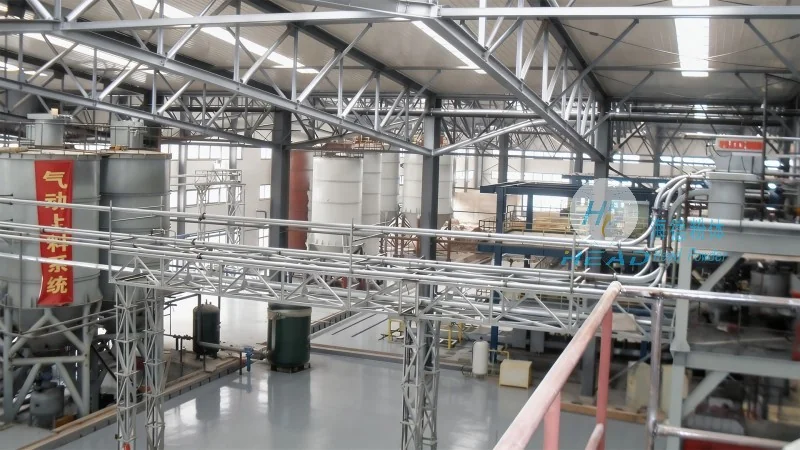
HeadPowder, a leading enterprise in the field of material handling and processing, specializes in the design, manufacturing, and installation of advanced pneumatic conveying systems for various industrial applications. This article provides an in-depth analysis of a molybdenum oxide pneumatic conveying system, highlighting key components, operational principles, and the technical advantages that make such systems ideal for handling this specific material.
Introduction to Molybdenum Oxide and Its Handling Challenges
Molybdenum oxide (MoO₃) is a high-value chemical compound widely used in the production of molybdenum metal, catalysts, and other specialized materials. Due to its fine particle size and chemical properties, handling MoO₃ requires specialized equipment to ensure efficiency, safety, and product integrity. Traditional methods like manual handling or bulk conveyors often lead to dust generation, material loss, and operational inefficiencies. Pneumatic conveying systems offer a solution by utilizing air to transport the material in a controlled manner, minimizing contamination and improving process reliability.
Key Components of a Molybdenum Oxide Pneumatic Conveying System
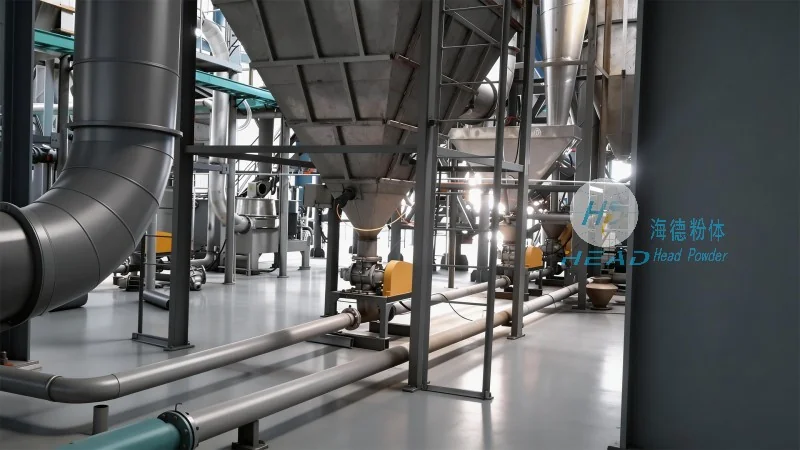
The molybdenum oxide pneumatic conveying system developed by Shandong HeadPowder Engineering Co., Ltd. comprises several critical components that work in harmony to ensure smooth material transport. The system typically includes a hopper for material storage, a rotary valve or feeder to control the flow rate, a venturi or eductor to create the air flow, a pipeline network for material transport, and a receiver or silo for final storage. Each component is carefully selected and engineered to handle the specific characteristics of molybdenum oxide, such as its fine particle size and potential for static charge accumulation.
Operational Principles and Flow Control
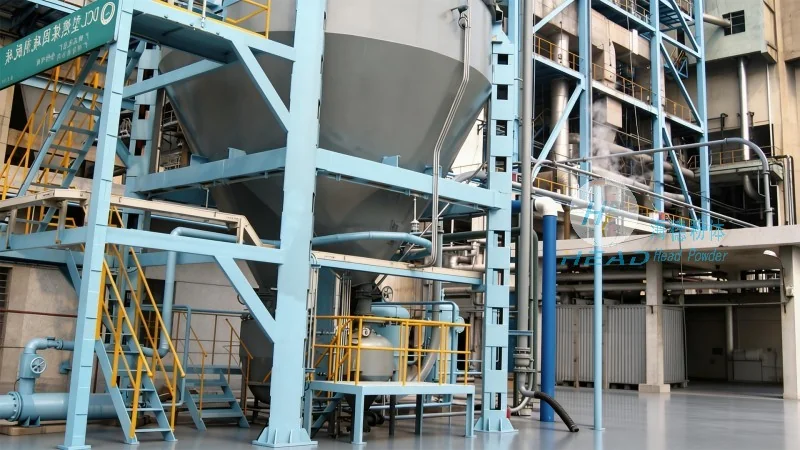
The pneumatic conveying process for molybdenum oxide operates on the principle of air movement and pressure differentials. The system uses a combination of positive and negative pressure zones to move the material through the pipeline. The feeder unit introduces the material into the system, and the venturi or eductor creates a high-velocity air stream that entrains the particles. The air and material mixture travels through the pipeline, with the receiver unit capturing the material at the end of the transport line. Flow control is crucial to maintain consistent material transport rates and prevent system overload or blockages. The system incorporates sensors and control mechanisms to monitor pressure, flow rate, and material level, ensuring optimal performance and preventing operational issues.
Technical Advantages and Performance Benefits
Compared to traditional conveying methods, the molybdenum oxide pneumatic conveying system offers several technical advantages. First, it minimizes dust generation and contamination, which is critical for maintaining product purity and meeting regulatory standards. Second, the system provides high transport efficiency, with the ability to move large volumes of material over long distances with minimal energy consumption. Third, the enclosed system design reduces material loss and improves overall process yield. Additionally, the system is designed for easy maintenance and cleaning, with components that can be easily accessed and serviced. These advantages make the system suitable for both batch and continuous production processes, enhancing overall operational flexibility.
Application and Industry Impact
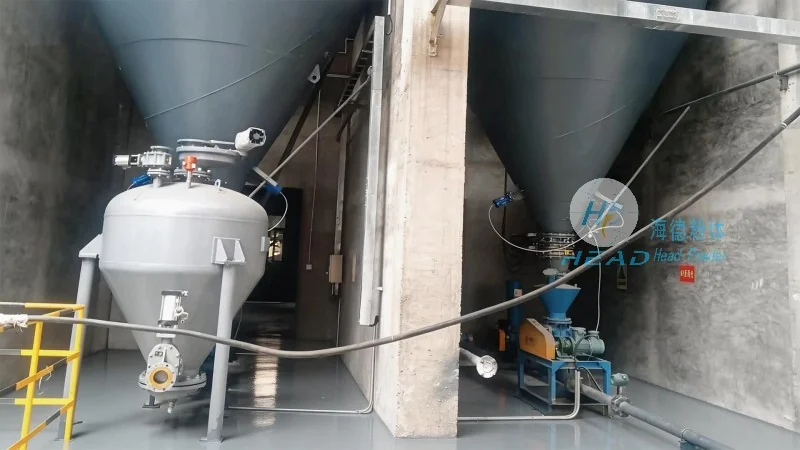
The molybdenum oxide pneumatic conveying system is particularly well-suited for industries that require precise handling of fine powders, such as chemical manufacturing, metal processing, and catalyst production. By improving material handling efficiency and reducing operational costs, the system contributes to increased productivity and profitability for businesses. The system's reliability and durability ensure long-term performance, making it a cost-effective solution for companies looking to upgrade their material handling infrastructure. As a result, the adoption of such systems has become increasingly common in industries where material quality and process efficiency are paramount.