

Common Pigment Conveying Methods: An Introduction to Pneumatic Conveying for Pigments
For industries dealing with pigments, the method of transporting these materials from one location to another is crucial for maintaining production efficiency and product quality. Pigments, being fine powders, require specialized handling to prevent issues such as dust contamination, caking, or loss of material. The choice of conveying system directly impacts operational costs, safety, and the overall integrity of the pigment supply chain. In this context, understanding the common pigment conveying methods is essential for selecting the most suitable solution for specific applications.
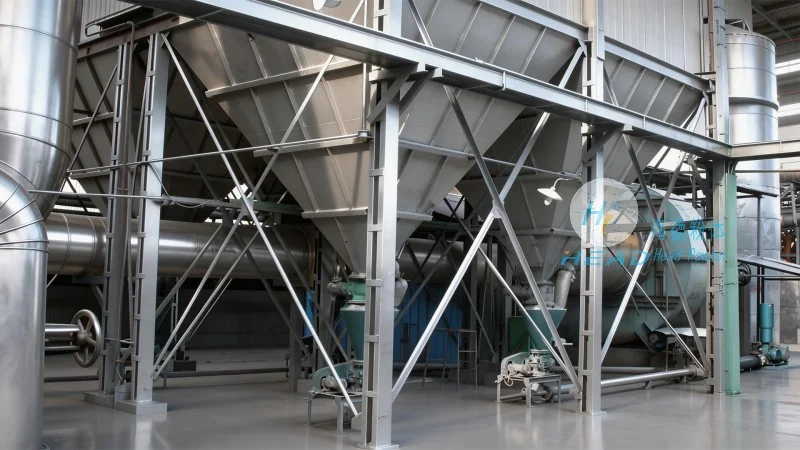
Overview of Common Pigment Conveying Methods
Several methods are employed for pigment transportation, each with its own advantages and limitations. The primary categories include mechanical conveyors, pneumatic systems, and hydraulic conveyors. Mechanical conveyors, like belt conveyors or screw conveyors, are widely used for bulk materials but may not be ideal for fine pigments due to the risk of material degradation or blockages. Hydraulic conveyors, while effective for some applications, are less common in pigment handling due to their complexity and maintenance requirements. Among these, pneumatic conveying stands out as a versatile and efficient solution for transporting pigments, especially in industrial settings where precision and control are paramount.
Pneumatic Conveying: A Detailed Look at Its Advantages and Applications
Pneumatic conveying, also known as air conveying, uses compressed air to move pigments through a pipeline system. This method offers several key advantages that make it a preferred choice for many pigment manufacturers. First, it provides a clean and dust-free environment, which is critical for maintaining the purity of pigments, especially those used in high-value applications like coatings, inks, and plastics. Second, pneumatic systems allow for precise control over the flow rate and pressure, enabling accurate dosing and minimizing material waste. Third, they are highly flexible, capable of transporting pigments over long distances and through complex layouts without the need for multiple transfer points. The technology also facilitates easy integration with other processing equipment, streamlining the production line.
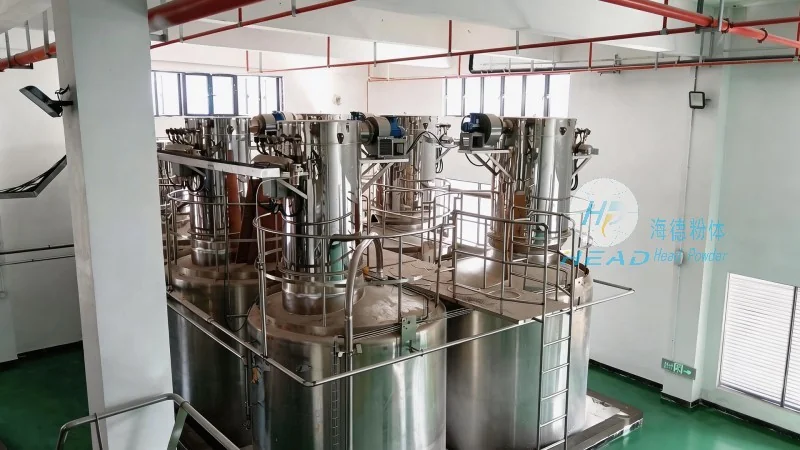
There are two main types of pneumatic conveying systems: pressure and vacuum. Pressure systems use compressed air to push the material forward, while vacuum systems use a vacuum to pull the material. The choice between the two depends on factors such as the distance to be covered, the volume of material to be transported, and the specific characteristics of the pigment. For example, pressure systems are often used for short to medium distances and high-volume applications, whereas vacuum systems are suitable for longer distances and lower volumes. Both types can be customized to meet the unique needs of pigment handling, ensuring optimal performance and efficiency.
HeadPowder's Expertise in Pneumatic Pigment Conveying Solutions
Shandong HeadPowder Engineering Co., Ltd., a leading provider of pigment processing solutions, specializes in designing and manufacturing advanced pneumatic conveying systems tailored to the specific requirements of pigment manufacturers. With years of experience in the industry, HeadPowder understands the challenges associated with pigment handling and offers innovative solutions that address these issues effectively. The company's expertise lies in the integration of high-quality components, such as high-efficiency air compressors, specialized pipelines, and advanced control systems, to create a seamless and reliable conveying process.
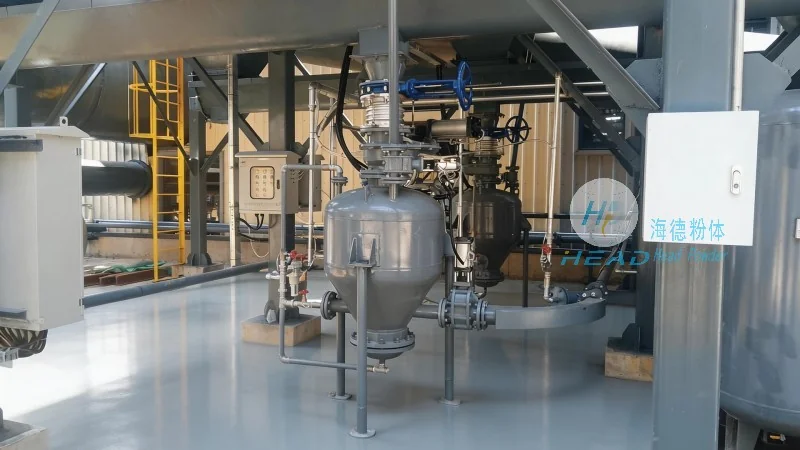
HeadPowder's pneumatic conveying systems are designed to ensure the highest standards of material integrity and operational efficiency. The company's engineers work closely with clients to assess their specific needs, from the type of pigment being handled to the production volume and the layout of the facility. This collaborative approach ensures that the final solution is not only effective but also cost-efficient and easy to maintain. By leveraging their deep understanding of pneumatic technology and pigment properties, HeadPowder delivers systems that enhance productivity, reduce downtime, and improve overall product quality.
HeadPowder's commitment to quality and customer satisfaction is reflected in their comprehensive after-sales support. The company provides regular maintenance services, technical assistance, and spare parts availability to ensure that the conveying systems operate at peak performance throughout their lifecycle. This support is crucial for maintaining the reliability of the system and minimizing any potential disruptions to the production process.