

Common Fine Sand Conveying Methods: An Introduction to Fine Sand Pneumatic Conveying
When it comes to transporting fine sand, selecting the right method is crucial for efficiency and cost-effectiveness. Fine sand, characterized by its small particle size and high moisture content, poses unique challenges in material handling. Traditional methods like belt conveyors or screw conveyors may struggle with dust generation, blockages, and material degradation. This is where specialized conveying solutions, particularly fine sand pneumatic conveying, come into play. In this article, we explore common fine sand conveying methods and focus on the advantages of fine sand pneumatic conveying as a modern solution.
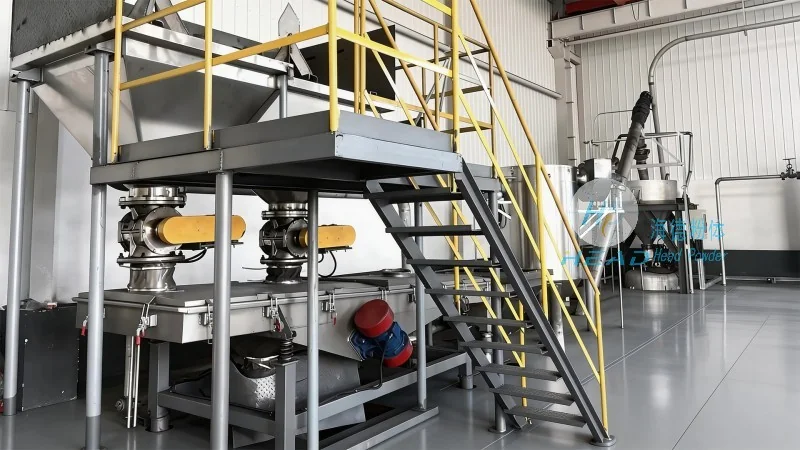
About Shandong HeadPowder Engineering Co., Ltd.
Shandong HeadPowder Engineering Co., Ltd., commonly known as HeadPowder, is a leading provider of advanced material handling solutions. With a strong presence in China, particularly in Shandong, the company specializes in designing and manufacturing efficient conveying systems tailored to the needs of the construction, mining, and industrial sectors. HeadPowder's expertise lies in developing customized solutions that address the specific challenges of handling fine materials like sand, ensuring reliable and low-maintenance operation.
Traditional vs. Modern Fine Sand Conveying Methods
Historically, fine sand has been transported using conventional equipment such as belt conveyors, bucket elevators, and screw conveyors. While these methods are widely used, they often face limitations when dealing with fine particles. Belt conveyors, for instance, can experience high friction and material buildup, leading to increased maintenance costs and downtime. Screw conveyors, on the other hand, may suffer from clogging due to the high moisture content in fine sand, causing operational inefficiencies. These traditional approaches may also generate significant dust, posing health and safety risks in industrial environments.
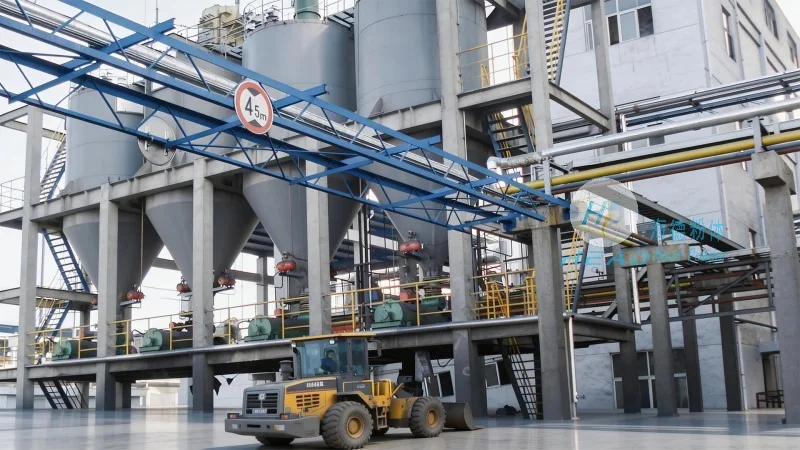
Fine Sand Pneumatic Conveying: How It Works
Fine sand pneumatic conveying utilizes air pressure to transport fine sand particles through a pipeline system. This method operates by creating a flow of air that carries the sand particles from the source to the destination. The system typically consists of a blower, a hopper for material storage, and a pipeline network. The air flow is controlled to ensure optimal particle suspension, preventing blockages and ensuring consistent material flow. Compared to traditional methods, pneumatic conveying offers several advantages, including reduced dust generation, lower maintenance requirements, and the ability to transport materials over longer distances without the need for multiple transfer points.
Advantages of Fine Sand Pneumatic Conveying
One of the key benefits of fine sand pneumatic conveying is its ability to handle fine particles effectively. The air flow ensures that even the smallest sand particles are carried through the system without settling or clogging. This is particularly important in applications where the sand's quality must be preserved, such as in the production of concrete or glass. Additionally, pneumatic conveying systems are highly flexible, allowing for easy integration into existing production lines. They can be configured to transport materials vertically, horizontally, or in a combination of both, adapting to the layout of the facility. Another advantage is the reduced risk of material contamination, as the system is enclosed, preventing exposure to external elements or contaminants.
Applications in Construction and Industrial Sectors
Fine sand pneumatic conveying is widely used in various industries, including construction, mining, and manufacturing. In the construction industry, it is essential for transporting sand from storage silos to mixing plants or batching stations. This ensures a consistent supply of sand for concrete production, improving the quality and efficiency of the process. In the mining sector, pneumatic conveying is used to transport fine sand from mining sites to processing facilities, reducing the need for manual handling and minimizing environmental impact. Industrial applications also benefit from this technology, as it allows for the efficient transfer of fine materials in pharmaceutical, chemical, and food processing industries.
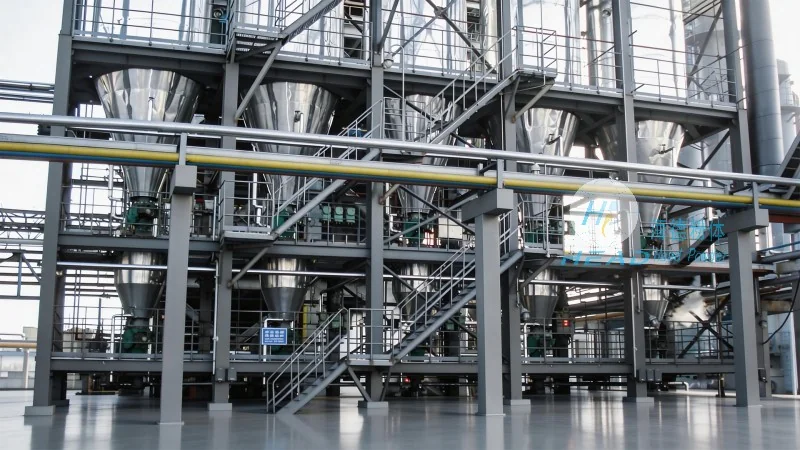
Maintenance and Cost-Effectiveness
Compared to traditional conveying methods, fine sand pneumatic conveying systems require less maintenance. The enclosed design minimizes exposure to dust and debris, reducing the need for frequent cleaning and repairs. Additionally, the system's components are designed for durability, with blower units and pipelines built to withstand the abrasive nature of fine sand. This results in lower long-term operational costs and higher reliability. HeadPowder's fine sand pneumatic conveying systems are engineered with this in mind, ensuring that customers receive a high-quality, low-maintenance solution that delivers long-term value.
Conclusion
Choosing the right fine sand conveying method is critical for optimizing operations and maintaining product quality. While traditional methods have their place, fine sand pneumatic conveying offers a modern, efficient, and reliable solution for handling fine materials. Shandong HeadPowder Engineering Co., Ltd. specializes in providing tailored pneumatic conveying systems that meet the specific needs of clients, ensuring that they can achieve their operational goals with minimal downtime and maximum efficiency. By investing in advanced material handling solutions like fine sand pneumatic conveying, businesses can enhance productivity, reduce costs, and improve overall operational performance.