

Common Sand Conveying Methods: An Overview of Pneumatic Sand Conveying Systems
Understanding the various methods for transporting sand is crucial in foundry operations, as efficient sand handling directly impacts production efficiency and quality control. Among the different approaches, pneumatic sand conveying stands out as a versatile and effective solution. This article provides an overview of common sand conveying methods, with a focus on the advantages and applications of pneumatic systems.
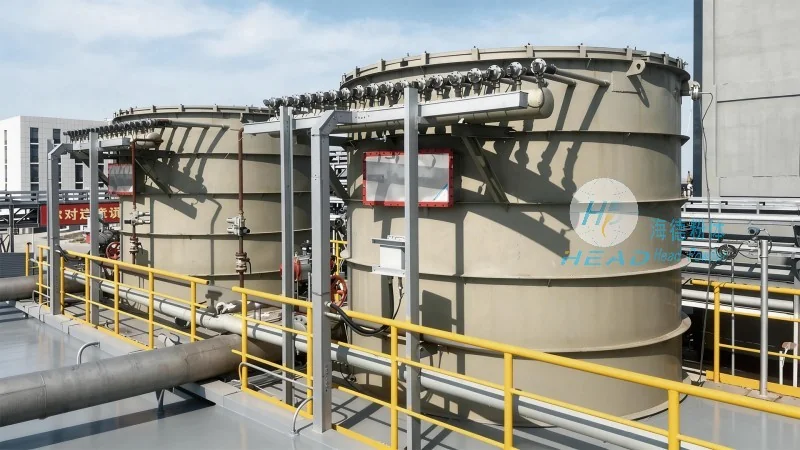
Introduction to Sand Conveying Methods
Sand, a critical raw material in the foundry industry, must be transported from storage to molding and core-making processes efficiently. Traditional methods include mechanical conveyors like belt conveyors, screw conveyors, and bucket elevators. However, these systems often face challenges such as material degradation, high maintenance costs, and limited flexibility in layout. Pneumatic sand conveying, on the other hand, offers a more dynamic and adaptable solution by using air pressure to move sand particles through pipelines.
Types of Conventional Sand Conveying Systems
Before delving into pneumatic systems, it is essential to understand the conventional sand conveying methods that have been widely used in the industry. These include:
- Belt Conveyors: These systems use continuous belts to transport sand horizontally or at a slight incline. They are suitable for long-distance transport but may experience material spillage and require regular maintenance.
- Screw Conveyors: Also known as auger conveyors, these systems use a rotating screw to push sand along a tube. They are effective for vertical or horizontal transport but can cause friction and heat buildup, potentially affecting sand quality.
- Bucket Elevators: These vertical conveyors use buckets attached to a chain or belt to lift sand from lower to higher levels. They are efficient for vertical transport but may have limitations in handling abrasive materials and require robust construction.
Pneumatic Sand Conveying: Key Features and Advantages
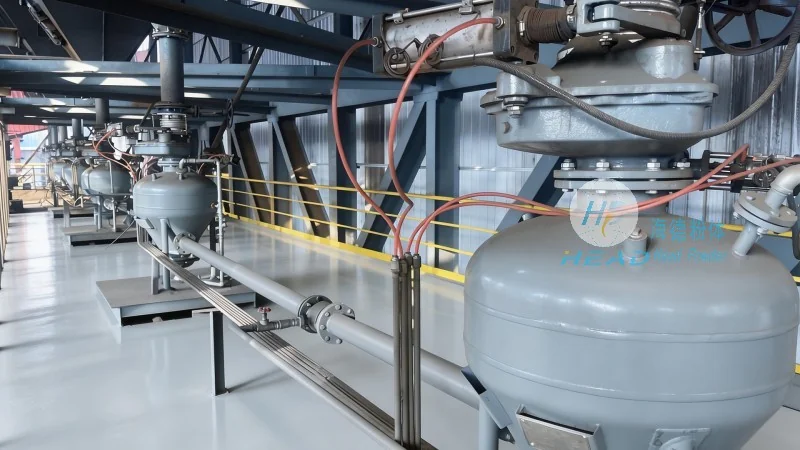
Pneumatic sand conveying systems utilize compressed air to create a flow of sand particles through a network of pipes. The primary components include a blower, airlocks, and a receiver. This method offers several advantages over conventional systems:
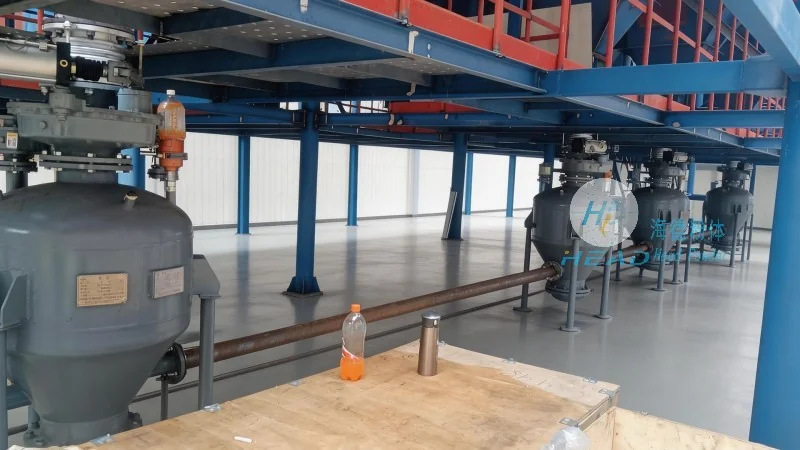
- Non-Contact Transport: Since sand is conveyed without physical contact with the conveying equipment, it minimizes wear and tear on the material, preserving its quality and reducing the risk of contamination.
- Flexibility in Layout: Pneumatic systems can be easily reconfigured to accommodate changes in production layout or to integrate with existing facilities, making them adaptable to different foundry setups.
- Reduced Maintenance: With fewer moving parts compared to mechanical conveyors, pneumatic systems require less frequent maintenance, leading to lower operational costs and higher reliability.
- Efficient Dust Control: The enclosed pipeline system helps in controlling dust emissions, improving workplace safety and compliance with environmental regulations.
Application Scenarios for Pneumatic Sand Conveying
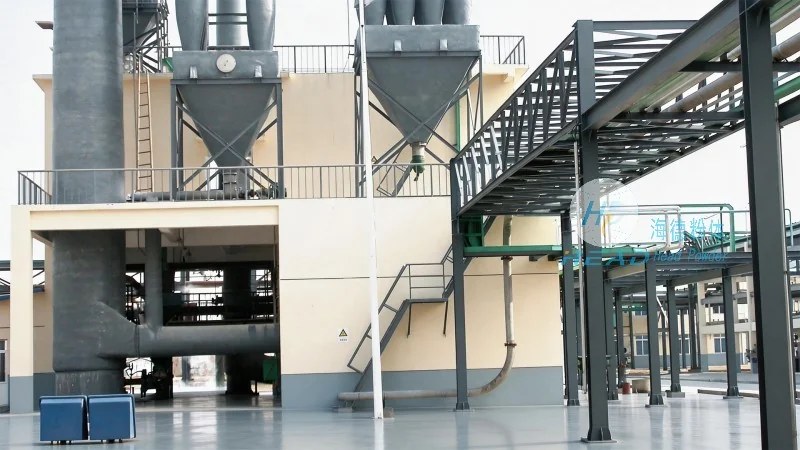
Pneumatic sand conveying is particularly suitable for applications where traditional methods may fall short. For instance, in large-scale foundries with complex layouts, pneumatic systems can efficiently transport sand over long distances and through multiple levels. Additionally, in industries requiring high precision and minimal material degradation, such as high-performance casting, pneumatic conveying ensures that the sand remains in optimal condition for molding and core production.
Technical Considerations in Pneumatic Sand Conveying Systems
Implementing a pneumatic sand conveying system involves several technical considerations to ensure optimal performance. Key factors include:
- Air Pressure and Flow Rate: The appropriate air pressure and flow rate must be determined based on the sand's characteristics, such as particle size, density, and moisture content. Proper selection prevents blockages and ensures efficient transport.
- Pipeline Design: The diameter and length of the pipelines, along with the number of bends and fittings, affect the system's efficiency. Proper design minimizes pressure drop and ensures consistent sand flow.
- Material of Construction: The conveying equipment must be made of materials resistant to sand abrasion and corrosion. Common materials include stainless steel and special alloys to extend the system's lifespan.
- Control Systems: Advanced control systems can monitor and regulate the conveying process, ensuring consistent performance and reducing the risk of system failures.
Conclusion and Company Information
While conventional sand conveying methods have their place in the industry, pneumatic sand conveying offers significant advantages in terms of efficiency, flexibility, and material preservation. For foundries seeking to enhance their production processes and maintain high-quality standards, pneumatic systems are a reliable and effective choice. Shandong HeadPowder Engineering Co., Ltd., a leading provider in the field, specializes in designing and manufacturing advanced pneumatic sand conveying systems tailored to the specific needs of foundry operations. With a commitment to quality and innovation, HeadPowder ensures that its solutions meet the highest industry standards, helping foundries achieve optimal performance and productivity.