

Conveying Methods for Oilseed Camellia Seeds: An Overview of the Advantages and Features of Pneumatic Conveying
Oilseed camellia seeds are a crucial raw material in the production of edible oil and other value-added products. The efficient and reliable transportation of these seeds from harvest to processing facilities is essential for maintaining product quality and optimizing production processes. Various conveying methods are employed in the industry, each with its own set of advantages and limitations. Among these, pneumatic conveying stands out as a modern and effective solution, offering significant benefits over traditional methods. This overview is provided by Shandong HeadPowder Engineering Co., Ltd., a leading provider of engineering solutions for the oilseed processing industry.
Common Conveying Methods for Oilseed Camellia Seeds
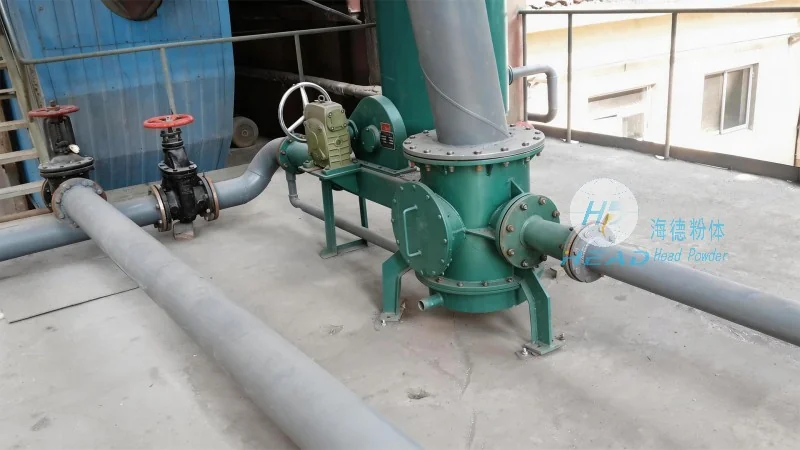
Before delving into the specifics of pneumatic conveying, it is important to understand the primary methods used for oilseed camellia seed transportation. Traditional approaches include gravity flow, mechanical screw conveyors, and belt conveyors. Gravity flow systems rely on the natural slope of the material to move it from one point to another, which is suitable for short distances and low volumes. Mechanical screw conveyors use a rotating screw to push the seeds forward, providing consistent flow but with limitations in handling sticky or abrasive materials. Belt conveyors, on the other hand, use a continuous belt to transport seeds, which is effective for long distances but may require more maintenance and space.
Pneumatic Conveying: An Advanced Solution for Oilseed Camellia Seeds
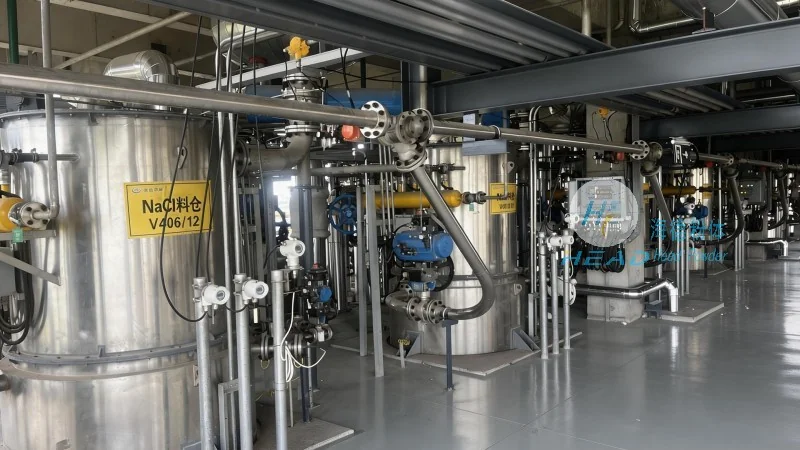
Pneumatic conveying, also known as air conveying, utilizes compressed air to transport oilseed camellia seeds through a pipeline system. This method offers several advantages that make it a preferred choice for many processing facilities. One of the key benefits is its high efficiency in moving large volumes of seeds over long distances with minimal labor. The system can handle a wide range of seed types, including those with varying moisture content and particle sizes, without causing damage or contamination. Additionally, pneumatic conveying is known for its hygienic and clean operation, as the seeds are enclosed within the pipeline, reducing exposure to dust, moisture, and external contaminants.
Key Advantages of Pneumatic Conveying for Oilseed Camellia Seeds
When considering the advantages of pneumatic conveying for oilseed camellia seeds, several factors stand out. First, the system provides a continuous and uniform flow of seeds, which helps in maintaining consistent processing speeds and reducing downtime. The ability to transport seeds vertically, horizontally, or in a combination of both directions is another significant advantage, allowing for flexible layout designs in processing plants. Furthermore, pneumatic conveying systems are relatively compact compared to other methods, requiring less floor space and making them suitable for facilities with limited room. The energy efficiency of modern pneumatic systems has also improved, with advanced controls and air compressors reducing operational costs over time.
Technical Features and Components of Pneumatic Conveying Systems
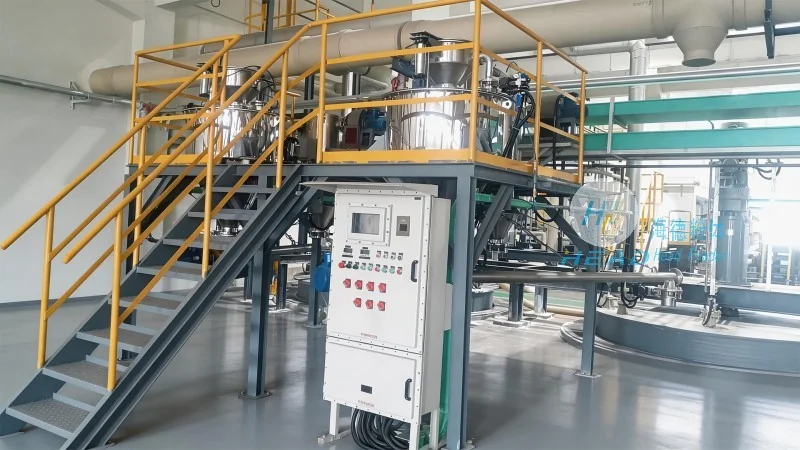
Understanding the technical aspects of pneumatic conveying systems is crucial for evaluating their suitability for oilseed camellia seed handling. A typical pneumatic conveying system consists of several key components, including a material feed hopper, an air compressor, a pipeline network, and a discharge receiver. The feed hopper ensures a steady supply of seeds into the system, while the air compressor generates the necessary pressure to move the seeds through the pipeline. The pipeline network, often made of stainless steel or other corrosion-resistant materials, is designed to withstand the pressure and friction of the conveying process. At the discharge end, the receiver separates the seeds from the air, allowing for clean collection and further processing. Modern systems may also include features such as pressure regulators, flow meters, and filtration units to optimize performance and maintain system integrity.
Application Scenarios and Practical Considerations
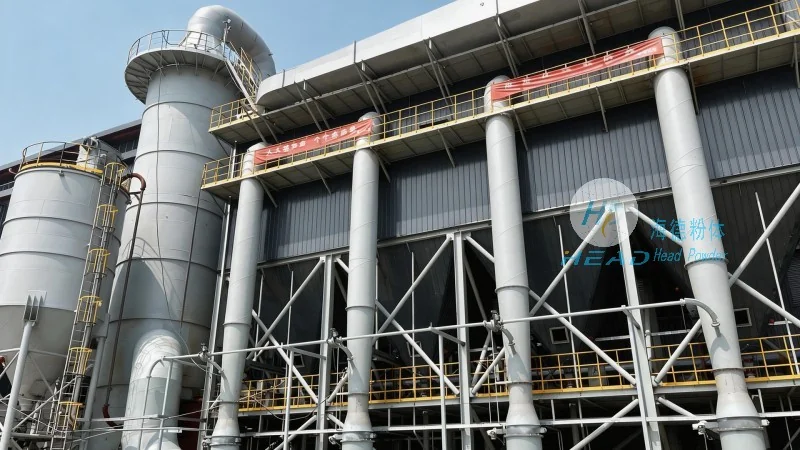
The effectiveness of pneumatic conveying for oilseed camellia seeds depends on various factors, including the specific processing requirements and the characteristics of the seeds being handled. For example, in large-scale oil extraction plants, pneumatic conveying is ideal for transporting seeds from storage silos to the extraction machinery, ensuring a smooth and continuous feed. In smaller processing facilities, the system can be adapted to handle smaller volumes or more complex layouts. Practical considerations also include the initial investment cost, which may be higher than traditional methods, but is offset by long-term operational savings and improved product quality. Maintenance requirements are another aspect to consider, as pneumatic systems require regular checks of air compressor performance, pipeline integrity, and filter cleanliness to ensure optimal operation.
Conclusion: Choosing the Right Conveying Method for Oilseed Camellia Seeds
In conclusion, the choice of conveying method for oilseed camellia seeds is a critical decision that impacts the overall efficiency and profitability of oil processing operations. While traditional methods like gravity flow and mechanical conveyors have their place, pneumatic conveying offers a modern, efficient, and hygienic solution that addresses many of the challenges faced by the industry. By understanding the advantages and technical features of pneumatic conveying systems, processing facilities can make informed decisions that enhance their operations and maintain high product standards. As technology continues to advance, pneumatic conveying is likely to remain a key component in the transportation of oilseed camellia seeds, supporting the growth and sustainability of the edible oil industry.