

Types of Gypsum and Plaster Powder Conveying Methods: An Overview of the Advantages and Features of Pneumatic Conveying
Gypsum and plaster powders are widely used in construction, industrial applications, and other sectors due to their versatility and performance. The efficient and reliable transportation of these powders is crucial for maintaining production efficiency and product quality. Various conveying methods are available, each with its own set of advantages and limitations. This article provides an overview of the common conveying methods for gypsum and plaster powders, with a particular focus on the benefits and characteristics of pneumatic conveying systems.
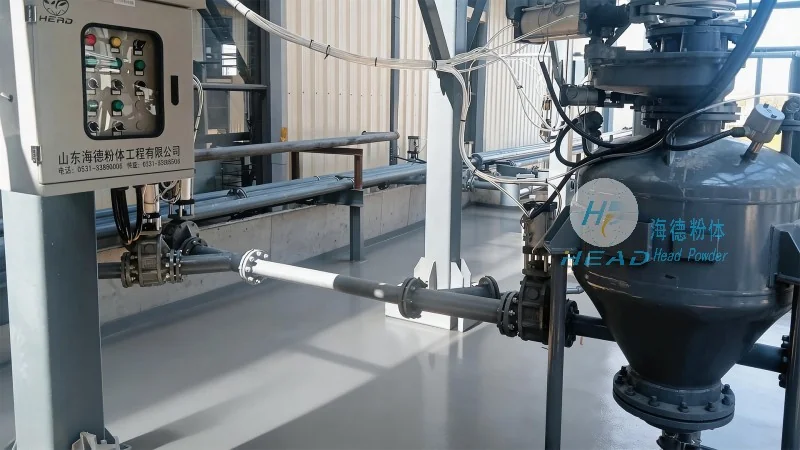
Common Conveying Methods for Gypsum and Plaster Powders
Traditional conveying methods for bulk powders include mechanical systems such as screw conveyors, belt conveyors, and bucket elevators. These methods are often effective for handling dry, free-flowing materials but may face challenges when dealing with fine powders or those that are prone to caking or dust generation. Mechanical conveyors can also be less flexible in terms of layout and may require more maintenance compared to other options.
Pneumatic Conveying: A Modern Solution for Gypsum and Plaster Powder Transport
Pneumatic conveying, also known as air-pneumatic transport, is a method that uses pressurized air or vacuum to move powders through a pipeline. This technology offers several advantages over traditional mechanical systems, making it an ideal choice for many applications involving gypsum and plaster powders. The key benefits of pneumatic conveying include high efficiency, minimal product degradation, and the ability to handle a wide range of powder characteristics.
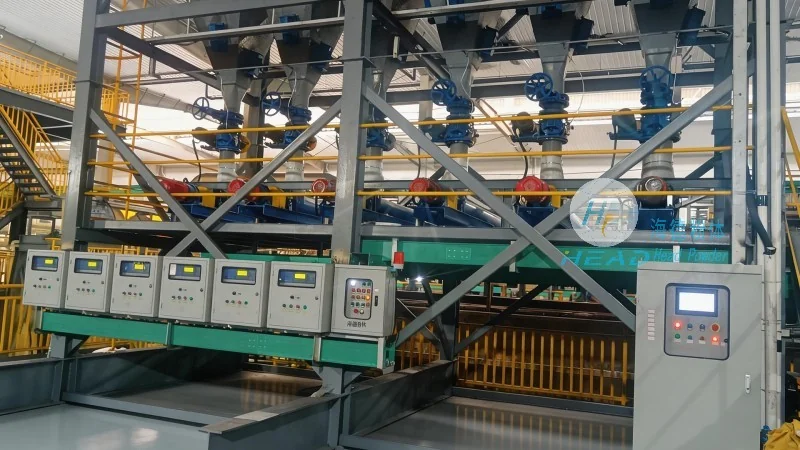
Advantages of Pneumatic Conveying for Gypsum and Plaster Powders
One of the primary advantages of pneumatic conveying is its ability to transport powders over long distances with minimal loss or degradation. The enclosed system prevents dust contamination and protects the material from environmental factors, which is particularly important for gypsum and plaster powders that are sensitive to moisture and air exposure. Additionally, pneumatic systems can handle fine powders and powders with high moisture content without clogging or degradation, ensuring consistent product quality.
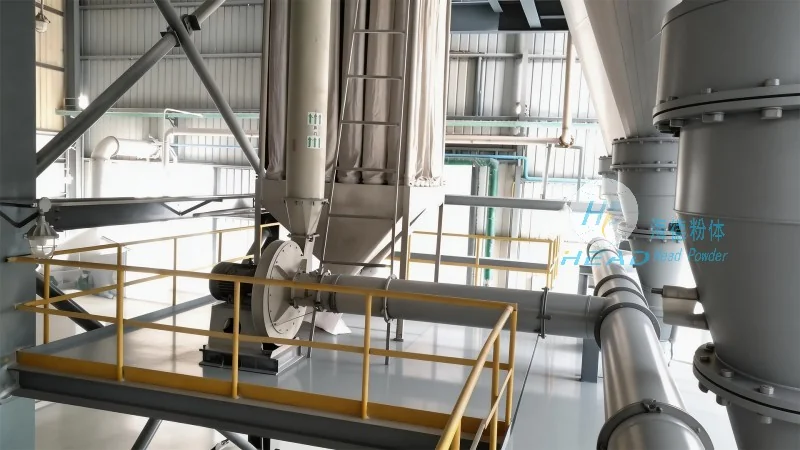
Key Features of Pneumatic Conveying Systems
Modern pneumatic conveying systems for gypsum and plaster powders are designed with several key features that enhance performance and reliability. These include adjustable air pressure and flow rates, which allow for precise control over the conveying process. The systems also incorporate filtration and dust collection components to ensure compliance with environmental regulations and to maintain a clean working environment. Furthermore, the modular design of these systems enables easy integration into existing production lines and facilitates maintenance and repairs.
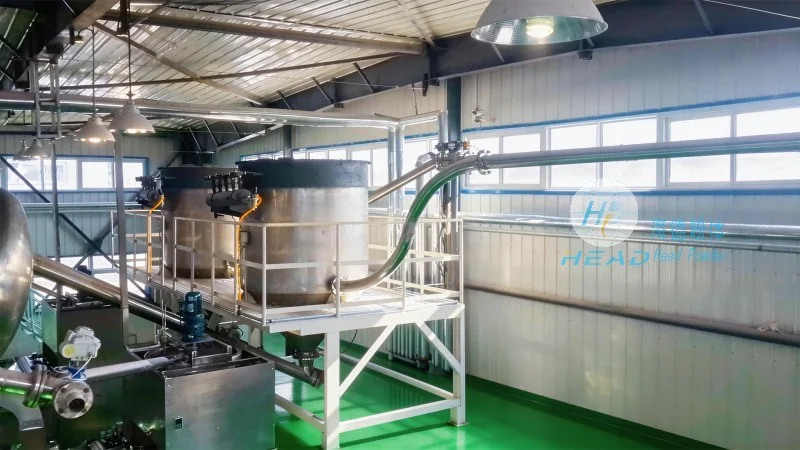
Application Examples in the Industry
Gypsum and plaster powders are used in various industries, including construction, where they are used to produce drywall, plaster, and other building materials. In industrial settings, these powders may be used as raw materials in manufacturing processes or as additives in other products. Pneumatic conveying systems are widely adopted in these applications due to their ability to handle large volumes of material efficiently and safely. For example, in a drywall manufacturing plant, a pneumatic conveying system can transport gypsum powder from storage silos to mixing and processing equipment, ensuring a continuous and smooth production flow.
Conclusion: Choosing the Right Conveying Method for Gypsum and Plaster Powders
When selecting a conveying method for gypsum and plaster powders, it is essential to consider factors such as material characteristics, distance, and production requirements. While mechanical conveyors may be suitable for some applications, pneumatic conveying often provides superior performance, especially for fine powders or those requiring high levels of product integrity. By understanding the advantages and features of different conveying systems, manufacturers can make informed decisions that optimize their production processes and ensure consistent product quality.