

Principle and Working Scene Characteristics of Polyurethane Material Pneumatic Conveying Equipment
HeadPowder, a leading manufacturer based in Shandong, China, specializes in the design and production of advanced pneumatic conveying systems tailored for polyurethane materials. This article delves into the fundamental principles of such equipment and highlights the key characteristics of its application scenarios.
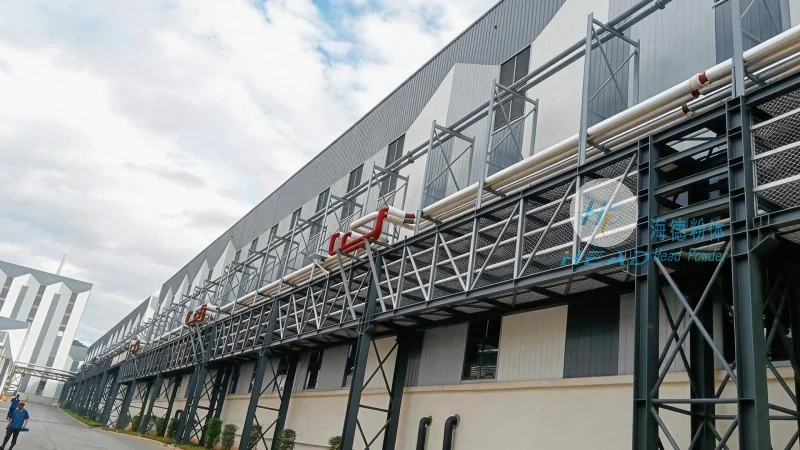
Introduction to Polyurethane Material Pneumatic Conveying Systems
Polyurethane is a versatile polymer widely used in various industries, including construction, automotive, and manufacturing. The efficient handling of polyurethane powders and granules is crucial for maintaining production efficiency and product quality. Pneumatic conveying systems offer a solution by utilizing air to transport these materials from one location to another, eliminating the need for mechanical components that might cause contamination or wear. HeadPowder's expertise lies in developing customized solutions that meet the specific demands of polyurethane processing.
The Core Principle of Pneumatic Conveying
The fundamental principle of pneumatic conveying involves the use of compressed air to create a flow that moves the polyurethane material through a pipeline. This process can be categorized into two main types: dilute-phase and dense-phase conveying. Dilute-phase systems use low air velocities to transport materials in a suspended state, suitable for short distances and low material loads. Dense-phase systems, on the other hand, employ higher air pressures and lower velocities to move material in a plug or slurry form, ideal for longer distances and higher material volumes. HeadPowder's equipment often incorporates a combination of these methods to optimize performance based on the application requirements.
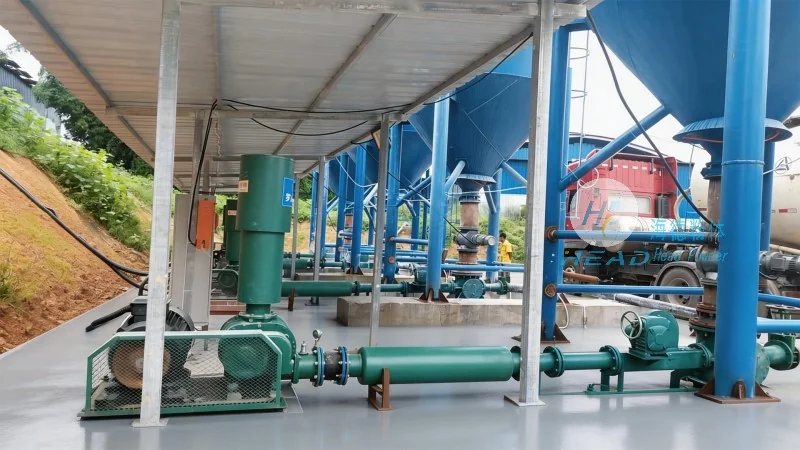
Key Components and Their Functions
HeadPowder's polyurethane material pneumatic conveying systems consist of several critical components, each playing a vital role in the overall operation. The main components include the material hopper, which stores and feeds the polyurethane material; the air compressor, which generates the necessary pressure for conveying; the conveying line, which transports the material; and the discharge unit, which delivers the material to the destination. Additionally, the system may include filters, separators, and control valves to ensure smooth operation and prevent material buildup or air leakage. Each component is designed with durability and efficiency in mind, ensuring long-term performance in demanding industrial environments.
Working Scene Characteristics and Application Examples
The application of polyurethane material pneumatic conveying equipment varies across different industries, each with unique requirements. In the construction industry, these systems are used to transport polyurethane foam or granules to mixing stations, ensuring consistent material flow for insulation and cushioning applications. In the automotive sector, they are employed to move polyurethane components from storage to assembly lines, supporting high-speed production processes. Manufacturing facilities also utilize these systems for internal material transfer between processing units, reducing manual handling and improving safety. The versatility of HeadPowder's solutions allows them to adapt to diverse working environments, from small-scale workshops to large-scale industrial plants.
Advantages of Using Polyurethane Material Pneumatic Conveying Equipment
Implementing pneumatic conveying systems for polyurethane materials offers several advantages over traditional methods. Firstly, it eliminates the need for mechanical conveyors, which can cause contamination from metal parts or wear from friction. This is particularly important for polyurethane, which is sensitive to impurities that could affect its final properties. Secondly, the systems are highly efficient in terms of energy consumption, as they use compressed air to move materials without the need for heavy machinery. Thirdly, they provide a clean and hygienic operation, which is essential in food and pharmaceutical industries where polyurethane is used as a component. Lastly, the flexibility of these systems allows for easy integration into existing production lines, reducing downtime and improving overall productivity.

Customization and Maintenance Considerations
HeadPowder understands that each client's needs are unique, and therefore, offers customized solutions tailored to specific working conditions. The company works closely with clients to assess their material characteristics, conveying distance, and production volume to design a system that meets their exact requirements. Regular maintenance is also crucial for the longevity and performance of the equipment. HeadPowder provides comprehensive maintenance services, including routine inspections, component replacement, and troubleshooting to ensure the system operates at optimal levels. By investing in proper maintenance, users can extend the lifespan of their equipment and minimize operational disruptions.
Conclusion
In conclusion, polyurethane material pneumatic conveying equipment, as developed by HeadPowder, represents a sophisticated solution for the efficient and safe handling of polyurethane materials. By understanding the core principles and working scene characteristics, industries can leverage these systems to enhance productivity, maintain product quality, and reduce operational costs. With its commitment to quality and customization, HeadPowder continues to be a trusted partner in the design and implementation of advanced pneumatic conveying solutions for polyurethane applications.