

Principle and Working Scene Characteristics of Polycrystalline Silicon Material Pneumatic Conveying
Polycrystalline silicon is a vital material in the photovoltaic industry, and efficient material handling is crucial for optimizing production processes. Pneumatic conveying equipment provides a reliable solution for transporting polycrystalline silicon, ensuring safety, efficiency, and precision in material transfer. This article examines the fundamental principles of pneumatic conveying systems designed for polycrystalline silicon materials and highlights the key characteristics of their operational environments.
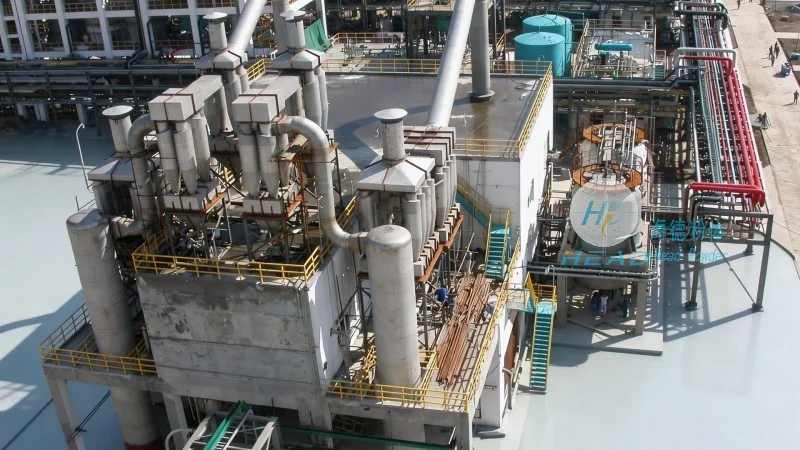
About HeadPowder: Leading Pneumatic Conveying Solutions
HeadPowder, a prominent engineering company based in Shandong, China, specializes in the design, manufacturing, and integration of advanced pneumatic conveying systems. With a strong focus on innovation and customer-centric solutions, HeadPowder has established itself as a trusted partner in the material handling industry. The company's expertise lies in developing customized solutions tailored to the unique requirements of various industrial applications, including those in the solar energy sector. HeadPowder's commitment to quality and performance ensures that its pneumatic conveying equipment meets the highest standards, delivering reliable and efficient material transport for clients worldwide.
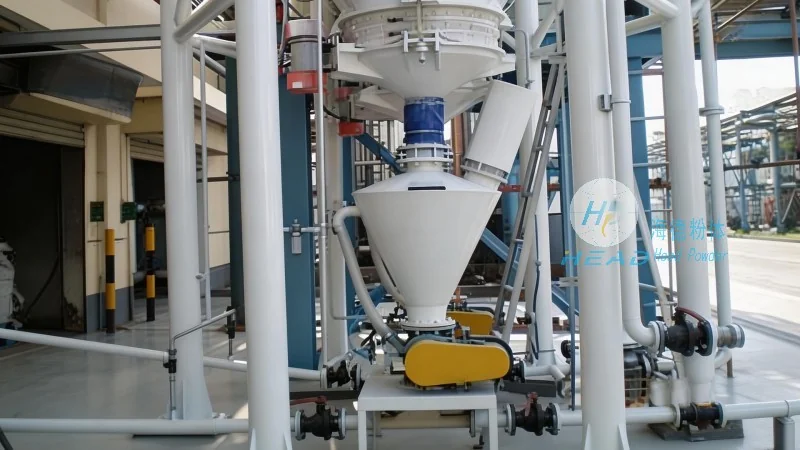
Principle of Pneumatic Conveying for Polycrystalline Silicon
The core principle of pneumatic conveying involves using compressed air or gas to transport solid materials through a pipeline. In the case of polycrystalline silicon, this method leverages the air's kinetic energy to move the material from the source to the destination. There are two primary types of pneumatic conveying systems: dilute-phase and dense-phase. Dilute-phase systems use high-velocity air to suspend the material in the air stream, allowing for long-distance and high-capacity transport. Dense-phase systems, on the other hand, use lower air velocities to create a slurry-like flow, which is ideal for handling delicate or abrasive materials like polycrystalline silicon. The selection of the appropriate system depends on factors such as material properties, distance, and required flow rates. For polycrystalline silicon, the dilute-phase system is often preferred due to its ability to maintain material integrity and minimize degradation during transport. The system typically includes components such as a hopper, feeder, air compressor, pipeline, and receiver. The hopper stores the polycrystalline silicon, while the feeder controls the material flow into the pipeline. The air compressor generates the necessary pressure to move the material, and the pipeline transports it to the receiver, where it is collected. This process ensures a continuous and controlled flow of material, minimizing downtime and improving overall production efficiency.
Working Scene Characteristics of Pneumatic Conveying Equipment
The working scene characteristics of pneumatic conveying equipment for polycrystalline silicon are influenced by several factors, including the production environment, material handling requirements, and operational conditions. One key characteristic is the need for a clean and controlled environment to prevent contamination of the polycrystalline silicon, which is highly sensitive to impurities. Therefore, the equipment is often designed with sealed systems and filtration to maintain a dust-free and hygienic operation. Another important characteristic is the requirement for precise control over material flow and pressure. This is crucial for maintaining consistent product quality and preventing material degradation or blockages in the pipeline. The working scene may also involve long-distance transport, such as moving polycrystalline silicon from the production line to storage facilities or processing units. In such cases, the equipment must be capable of handling high pressures and maintaining material velocity to ensure reliable transport over extended distances. Additionally, the equipment may operate in high-temperature environments, as polycrystalline silicon production processes often involve heating. The design of the pneumatic conveying system must account for thermal expansion and material properties under such conditions to ensure safe and efficient operation. The working scene may also include multiple stages of material handling, such as initial raw material transport, intermediate processing, and final product delivery. Each stage requires tailored equipment to meet specific flow rates, pressure requirements, and material characteristics. The integration of these stages into a cohesive system is essential for optimizing the overall production workflow and minimizing material loss or waste. Furthermore, the working scene may involve the need for flexibility and adaptability, as production processes may change or expand over time. The pneumatic conveying equipment must be designed to accommodate future modifications or upgrades, ensuring long-term operational efficiency and cost-effectiveness. This adaptability is particularly important in the solar industry, where technological advancements and production scale-up are common. The working scene characteristics also highlight the importance of maintenance and reliability. Pneumatic conveying systems require regular maintenance to ensure optimal performance and prevent breakdowns. The equipment must be designed with easy access to components for inspection and repair, reducing downtime and maintenance costs. Overall, the working scene characteristics of pneumatic conveying equipment for polycrystalline silicon emphasize the need for a robust, efficient, and adaptable system that can meet the demanding requirements of modern production environments.
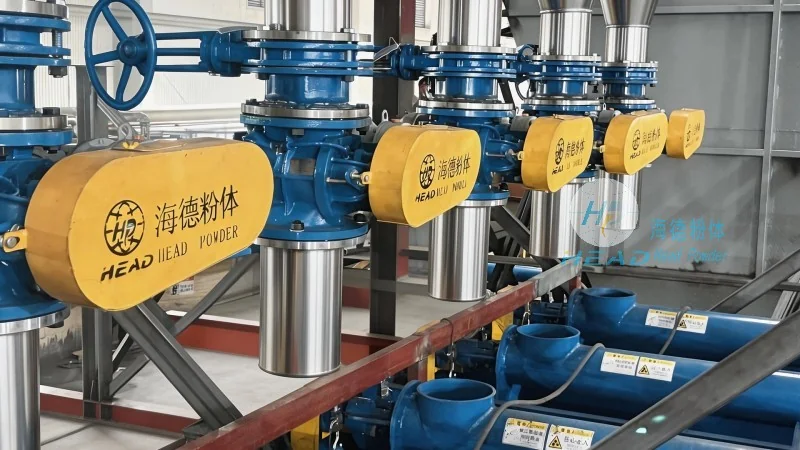
Company Location and Service Scope
HeadPowder Engineering Co., Ltd. is located in Shandong, China, providing a strategic base for serving clients in the region and beyond. The company's facilities are equipped with advanced manufacturing capabilities and testing equipment, enabling the development and production of high-quality pneumatic conveying systems. HeadPowder's service scope includes the entire lifecycle of pneumatic conveying equipment, from initial consultation and system design to installation, commissioning, and ongoing support. The company works closely with clients to understand their specific material handling challenges and provides customized solutions that address their unique needs. Whether it's a new production line or an upgrade to an existing system, HeadPowder offers comprehensive support to ensure the successful implementation and operation of pneumatic conveying equipment. The company's commitment to customer satisfaction and technical excellence has earned it a reputation as a reliable partner in the material handling industry, particularly in the solar energy sector. By leveraging its expertise and innovative solutions, HeadPowder continues to contribute to the advancement of efficient material transport in industrial applications.