

Principle and Application Characteristics of Crystal Powder Pneumatic Conveying Systems
HeadPowder, a leading engineering company based in Shandong, China, specializes in the design, manufacturing, and implementation of advanced pneumatic conveying systems tailored for handling crystal powders. This article delves into the fundamental principles behind these systems and highlights the key characteristics of their operational scenarios, providing insights into how such technology enhances material handling efficiency in industrial settings.
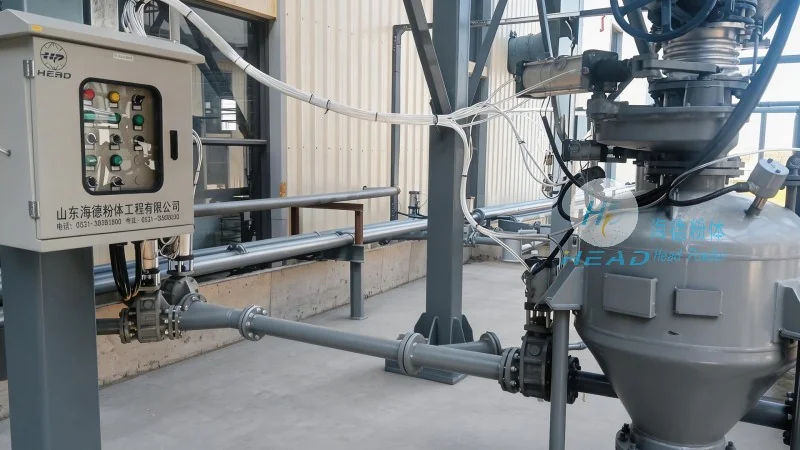
Introduction to Crystal Powder Pneumatic Conveying Systems
Crystal powders, such as pharmaceutical excipients, food additives, or chemical reagents, often require precise and hygienic material transport solutions. Traditional methods like bucket elevators or belt conveyors may not be suitable due to the delicate nature of these powders, which can be prone to caking, agglomeration, or contamination. Pneumatic conveying systems offer a solution by utilizing air pressure to transport powders through pipelines, minimizing direct contact with equipment and reducing the risk of product degradation. HeadPowder's expertise lies in developing customized systems that address the unique challenges associated with crystal powders, ensuring reliable and efficient material movement from source to destination.
The Core Principle of Pneumatic Conveying for Crystal Powders
The fundamental principle of a crystal powder pneumatic conveying system is the use of compressed air to create a flow that transports the powder particles through a closed pipeline network. This process typically involves a combination of positive and negative pressure zones, depending on the system design. In positive pressure systems, air is forced into the pipeline, carrying the powder forward, while negative pressure systems draw air and powder into the line using a vacuum. For crystal powders, which may have low bulk density or high moisture content, the system design must account for factors like air velocity, particle size distribution, and the risk of blockages. HeadPowder engineers employ advanced computational fluid dynamics (CFD) and material testing to optimize the system parameters, ensuring that the air flow rate and pressure are precisely matched to the powder characteristics. This approach minimizes energy consumption while maintaining consistent conveying rates and preventing product degradation.
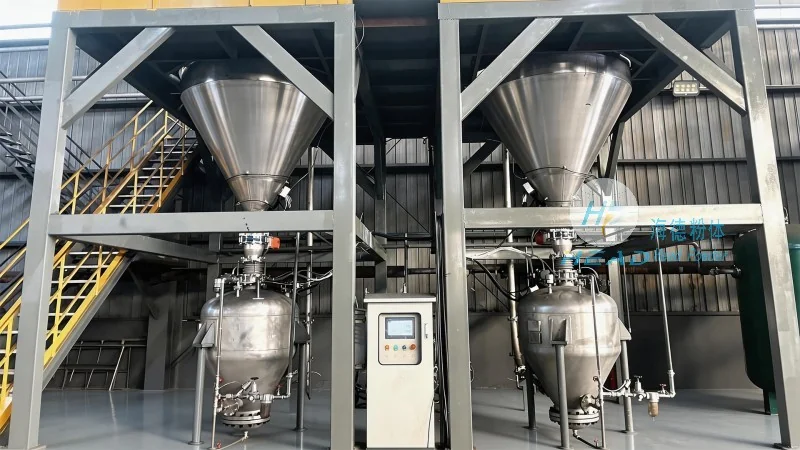
Key Operational Characteristics and Application Scenarios
The operational characteristics of crystal powder pneumatic conveying systems are tailored to specific industrial needs, making them versatile across various sectors. One of the primary advantages is the ability to handle powders in a closed environment, which is critical for maintaining product purity and preventing cross-contamination. This is particularly important in pharmaceutical and food industries, where hygiene and regulatory compliance are paramount. The systems can be integrated into existing production lines or designed as standalone solutions for bulk material transport. For example, in a pharmaceutical manufacturing facility, a pneumatic conveying system might transport crystalline excipients from a storage silo to a blending unit, ensuring that the powder is transferred without exposure to external contaminants. Similarly, in a chemical plant, the system could handle fine powders used in reaction processes, maintaining the integrity of the material throughout the conveying process.
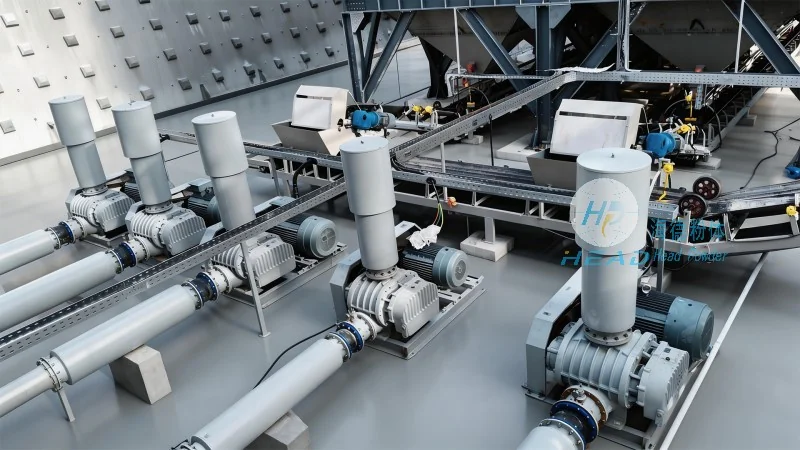
Advantages of Crystal Powder Pneumatic Conveying Systems
HeadPowder's crystal powder pneumatic conveying systems offer several key advantages that make them an ideal choice for industrial applications. Firstly, the closed system design eliminates the need for manual handling, reducing labor costs and improving workplace safety. The absence of moving parts in the conveying line minimizes maintenance requirements and extends the system's operational lifespan. Additionally, the system's ability to handle powders with varying particle sizes and moisture content makes it adaptable to diverse material types. Energy efficiency is another significant benefit, as modern systems use optimized air flow rates to reduce power consumption without compromising conveying performance. The compact design of these systems also allows for easy integration into existing facilities, minimizing space requirements and installation time. For industries that require high-purity materials, the system's ability to maintain product integrity throughout the conveying process is a critical factor, ensuring that the final product meets stringent quality standards.
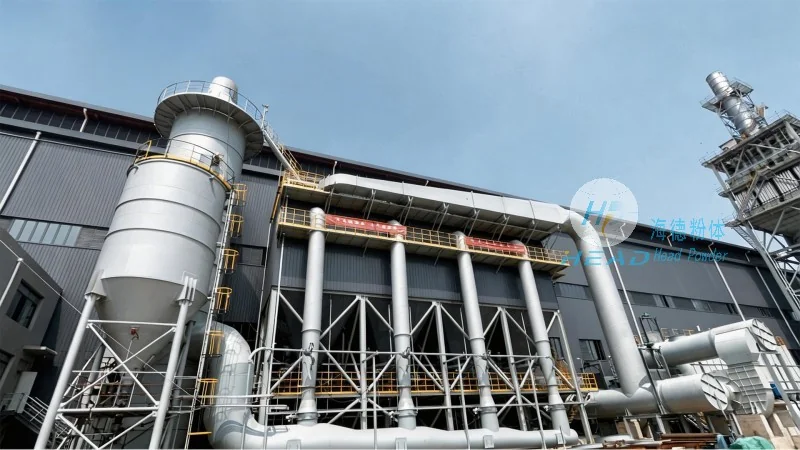
Technical Considerations for Optimal Performance
Implementing a crystal powder pneumatic conveying system involves several technical considerations to ensure optimal performance and longevity. The choice of pipeline material is crucial, as it must be compatible with the powder's chemical properties and resistant to corrosion or wear. Stainless steel is commonly used for its durability and hygienic properties, especially in pharmaceutical and food applications. The system's air filtration and drying capabilities are also essential, as moisture in the air can lead to powder caking or blockages. HeadPowder's systems incorporate advanced filtration and drying units to maintain the air quality required for reliable conveying. Additionally, the system's control system plays a vital role in monitoring and adjusting the conveying parameters in real-time. Modern systems use sensors to detect pressure, flow rate, and temperature, allowing for automatic adjustments to maintain consistent performance. This automation not only improves efficiency but also reduces the risk of human error, ensuring that the system operates within optimal parameters at all times.
Conclusion and Application Outlook
Crystal powder pneumatic conveying systems, as developed by HeadPowder, represent a sophisticated solution for the efficient and hygienic transport of delicate powders in industrial settings. By leveraging advanced engineering principles and tailored system designs, these systems address the unique challenges associated with crystal powders, ensuring reliable performance and product integrity. The operational characteristics, such as closed system design, energy efficiency, and adaptability, make them suitable for a wide range of applications across pharmaceutical, food, and chemical industries. As industries continue to demand higher standards of product quality and operational efficiency, the role of advanced pneumatic conveying systems will only grow. HeadPowder's commitment to innovation and customization ensures that their systems remain at the forefront of material handling technology, providing clients with reliable solutions that meet their specific needs and regulatory requirements.