

Principle and Working Scenario Characteristics of Sodium Fluorosilicate Material Handling System Equ
The sodium fluorosilicate material handling system equipment is a specialized industrial solution designed to transport sodium fluorosilicate, a chemical compound widely used in various industries such as construction, water treatment, and glass manufacturing. This system integrates advanced machinery and control technologies to ensure the safe, efficient, and reliable movement of the material from storage to processing or packaging stages. As a critical component in chemical processing facilities, the system plays a vital role in maintaining production continuity and minimizing operational risks associated with material handling.
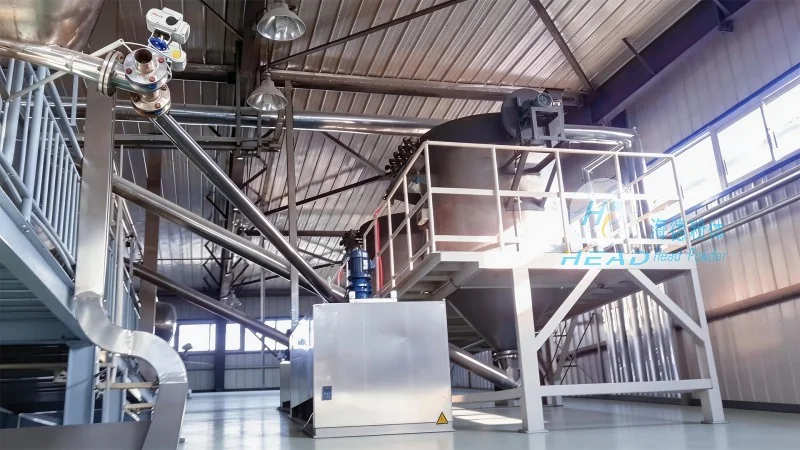
Working Principle of the Material Handling System
The operation of the sodium fluorosilicate material handling system is based on a combination of mechanical and pneumatic (or hydraulic) components, tailored to handle the specific properties of sodium fluorosilicate. The system typically includes a series of conveyor belts, screw conveyors, or pump systems, depending on the application. For bulk material handling, belt conveyors are commonly used to transport granular or powdered sodium fluorosilicate over horizontal or inclined distances. The conveyors are equipped with variable speed drives and load sensors to regulate the flow rate and prevent overloading. In addition, the system incorporates level sensors and pressure monitoring devices to maintain optimal material levels in storage silos and hoppers, ensuring consistent feed to downstream processing units. Safety interlocks and emergency stop mechanisms are integrated into the control system to protect operators and equipment from potential hazards, such as material spillage or equipment failure.
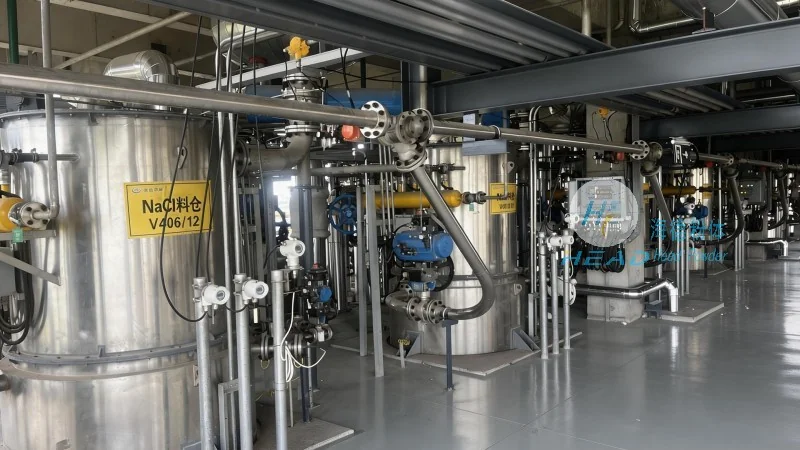
Key Working Scenario Characteristics
The sodium fluorosilicate material handling system exhibits distinct characteristics tailored to different operational environments and production requirements. In industrial settings, the system is designed to operate under varying temperature and humidity conditions, with corrosion-resistant materials used for components that come into direct contact with the chemical. For example, stainless steel or coated steel parts are employed to prevent degradation from the acidic nature of sodium fluorosilicate. The system's modular design allows for easy integration with existing production lines, enabling seamless expansion or modification as production needs evolve. Additionally, the system is equipped with dust suppression and containment features to minimize environmental impact and comply with industrial safety regulations. In scenarios involving high-volume production, the system's high-capacity conveyor systems and automated control features ensure consistent throughput, reducing downtime and increasing overall productivity. For applications requiring precise dosing, such as in water treatment plants, the system includes dosing pumps and flow meters to deliver the exact amount of sodium fluorosilicate needed, enhancing process efficiency and reducing material waste.
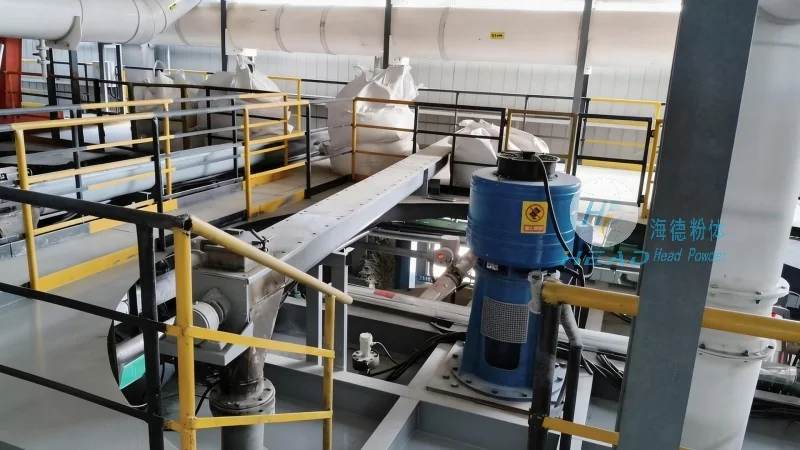
Company Background and Technical Expertise
HeadPowder, or Shandong HeadPowder Engineering Co., Ltd., is a leading manufacturer of specialized material handling equipment for chemical industries. With a strong presence in China, particularly in Shandong province, the company has established itself as a trusted provider of reliable and efficient systems for handling hazardous and bulk materials. The company's engineering team leverages years of experience in chemical processing to design systems that meet the unique demands of sodium fluorosilicate handling, ensuring compliance with international safety standards and industry best practices. By focusing on innovation and customer-centric solutions, HeadPowder delivers systems that not only enhance operational efficiency but also contribute to sustainable industrial practices. The company's commitment to quality and service has made it a preferred choice for businesses seeking robust material handling solutions in the chemical sector.