

Principle and Working Scene Characteristics of Chromium Oxide Material Handling Equipment
Chromium oxide, a vital industrial material, is extensively utilized in sectors such as ceramics, pigments, and chemical synthesis. The efficient and safe transportation of chromium oxide is paramount for sustaining production efficiency and ensuring product quality. This article delves into the principles of chromium oxide material handling equipment and its working scene characteristics, offering insights into how these systems operate and where they are typically applied.
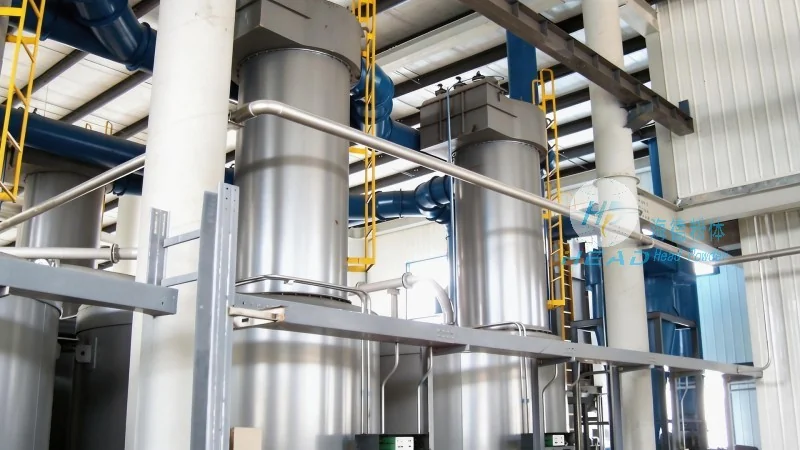
HeadPowder: A Leading Manufacturer of Material Handling Solutions
Shandong HeadPowder Engineering Co., Ltd., commonly known as HeadPowder, is a professional manufacturer specializing in the design, development, and production of advanced material handling equipment. With a strong focus on innovation and quality, HeadPowder has established itself as a trusted partner in the industry, providing customized solutions tailored to the unique needs of clients. The company’s headquarters is located in Shandong, China, and it serves a global clientele with its reliable and efficient equipment.
The Working Principle of Chromium Oxide Material Handling Equipment
Chromium oxide material handling equipment is engineered to accommodate the specific properties of chromium oxide, including its particle size, density, and flow characteristics. The core principle involves the use of mechanical or pneumatic systems to transport the material from one location to another. For instance, screw conveyors are commonly employed for horizontal or slightly inclined transport, leveraging the rotational motion of a screw to move the material forward. This method is particularly effective for handling dry, free-flowing materials like chromium oxide, as it minimizes material degradation and ensures consistent flow rates.
Another common approach is pneumatic conveying, which utilizes air pressure to transport the material through a pipeline. This method is ideal for applications requiring high-speed or long-distance transport, as it can handle fine powders and prevent contamination. The system typically includes a hopper, a blower, and a receiver, with the material being drawn into the pipeline by the air flow. This approach is especially suitable for chromium oxide, as it maintains the material’s purity and prevents dust accumulation.
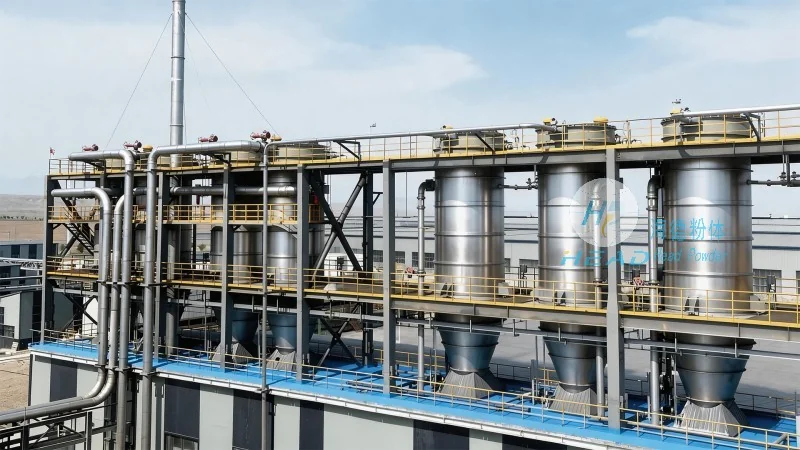
Working Scene Characteristics and Applications
The working scene characteristics of chromium oxide material handling equipment are closely tied to the specific industrial environments where they are deployed. In ceramic manufacturing, for example, the equipment is used to transport chromium oxide powders to mixing and molding stations, ensuring a consistent supply of raw materials. The equipment is designed to handle the high temperatures and abrasive nature of the ceramic production process, with components made from durable materials such as stainless steel or special alloys.
In the pigment industry, chromium oxide is used as a pigment for paints and coatings. The material handling equipment in this sector is focused on maintaining the color integrity and purity of the pigment. This involves using sealed systems to prevent contamination from other materials and ensuring that the material is transported in a controlled manner. The equipment is often integrated with quality control systems to monitor the material’s properties and ensure compliance with industry standards.
Chemical synthesis applications also require specialized material handling equipment. Here, the equipment is used to transport chromium oxide powders to reactors and other processing units. The systems are designed to handle the corrosive and reactive nature of the chemicals involved, with features such as corrosion-resistant materials and explosion-proof designs. This ensures that the material is handled safely and efficiently, minimizing the risk of accidents or material loss.
Key Features and Advantages of Chromium Oxide Material Handling Equipment
HeadPowder’s chromium oxide material handling equipment is equipped with several key features that enhance its performance and reliability. One of the primary advantages is the ability to handle a wide range of material properties, from fine powders to bulk materials. The equipment is designed with adjustable speed and flow controls, allowing operators to optimize the transport process based on the specific requirements of the application.
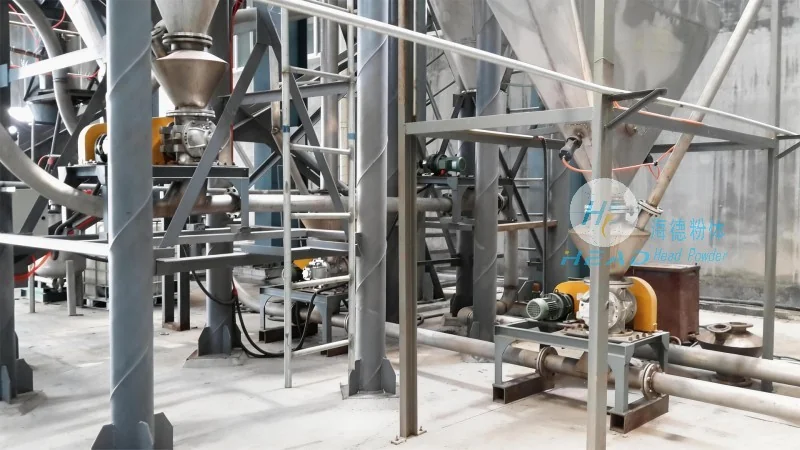
Another significant feature is the emphasis on safety and environmental protection. The systems are equipped with dust collection and filtration systems to minimize air pollution and ensure a safe working environment. Additionally, the equipment includes safety features such as emergency stop buttons and overload protection, reducing the risk of accidents and equipment damage.
The equipment is also highly customizable, with HeadPowder offering tailored solutions to meet the unique needs of each client. This includes options for different materials of construction, such as stainless steel, carbon steel, or special alloys, to suit the specific chemical and environmental conditions of the application. The company also provides after-sales support, including maintenance and repair services, to ensure the long-term performance and reliability of the equipment.
Conclusion
Chromium oxide material handling equipment plays a critical role in the efficient and safe transportation of this important industrial material. The principles and working scene characteristics of these systems are designed to address the specific challenges of handling chromium oxide, ensuring consistent performance and product quality. HeadPowder, with its expertise and commitment to quality, provides reliable and customized solutions that meet the diverse needs of clients in various industries. By leveraging advanced technology and innovative design, HeadPowder continues to be a leader in the material handling equipment market, helping clients optimize their operations and achieve their production goals.