

Principle and Working Scene Characteristics of Coking Powder Material Handling Systems
Shandong HeadPowder Engineering Co., Ltd., headquartered in Shandong, China, is a specialized enterprise focused on the development and implementation of advanced material handling systems. The company's expertise lies in providing efficient solutions for transporting coking powder, a vital component in industrial processes. This article explores the fundamental principles and operational characteristics of the coking powder material handling system, detailing its technical design and practical applications.
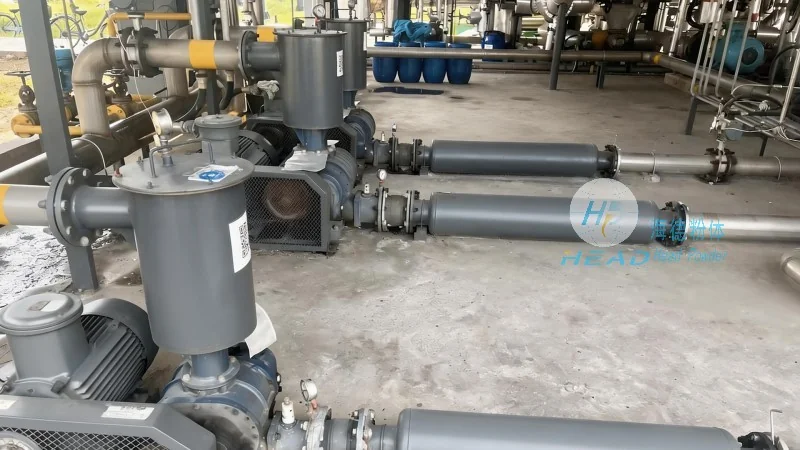
System Principle: Core Mechanics of Coking Powder Transport
The coking powder material handling system operates on a comprehensive mechanism that ensures the safe and efficient movement of coking powder from storage to processing units. At its core, the system integrates components such as conveyor belts, feeding mechanisms, and control systems, all coordinated to maintain consistent material flow. Engineered to address the unique properties of coking powder—including fine particle size and potential dust generation—the system incorporates features like dust suppression and material flow regulation. Through precise control of speed and pressure, the system minimizes material degradation and ensures optimal performance across diverse operational conditions.
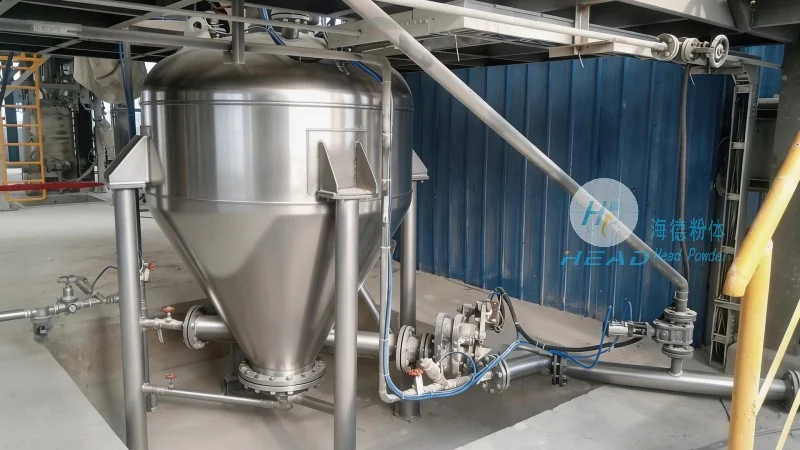
Working Scene Characteristics: Industrial Applications and Operational Benefits
The working scene characteristics of the coking powder material handling system are tailored to meet the demands of industrial environments, particularly within coking plants and related manufacturing sectors. These systems are typically deployed for transporting large volumes of coking powder over short to medium distances, such as between storage silos and processing equipment. The design emphasizes adaptability, allowing seamless integration with existing infrastructure while preserving high efficiency. Key operational advantages include reduced labor costs via automated material transport, minimized material loss through effective sealing and containment, and enhanced safety by incorporating dust control measures. The system's reliability is further reinforced by regular maintenance protocols and advanced monitoring capabilities, ensuring consistent performance over extended periods.
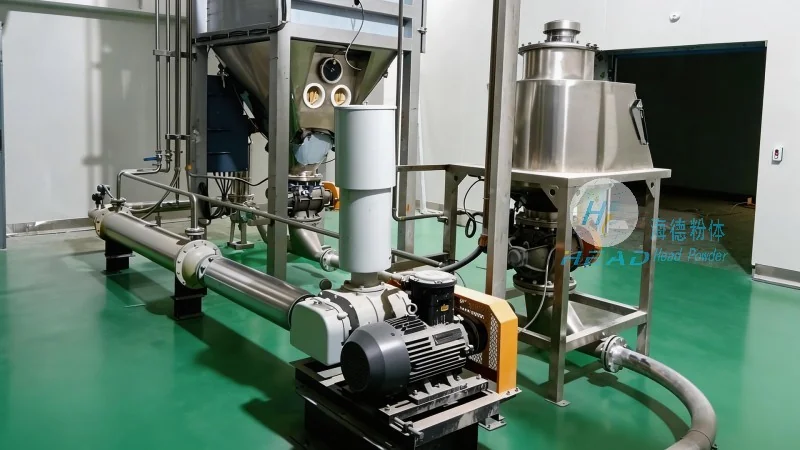
Technical Specifications and Customization Options
Shandong HeadPowder Engineering Co., Ltd. offers customized solutions to align with specific client requirements, ensuring the material handling system meets the unique operational needs of each project. Technical specifications may vary based on factors like material volume, transport distance, and environmental conditions. Common features include adjustable conveyor speeds, variable feeding rates, and integrated sensors for real-time monitoring of material flow and system performance. The company's engineering team collaborates closely with clients to develop tailored solutions that optimize material handling efficiency and reduce operational costs. By leveraging advanced manufacturing techniques and rigorous quality control, HeadPowder guarantees that each system meets the highest standards of performance and durability.
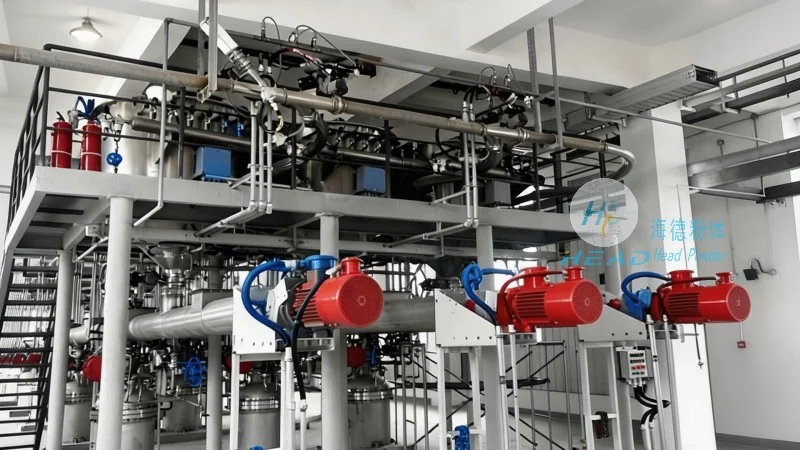
Conclusion: Enhancing Operational Efficiency in Material Handling
In summary, the coking powder material handling system developed by Shandong HeadPowder Engineering Co., Ltd. represents a significant advancement in industrial material transport technology. By combining robust engineering principles with practical application insights, the system addresses the specific challenges of coking powder handling, such as dust control and material flow management. The working scene characteristics highlight its suitability for various industrial settings, offering advantages like increased efficiency, reduced costs, and enhanced safety. As a trusted provider of material handling solutions, HeadPowder continues to innovate and adapt its systems to meet evolving industry needs, ensuring clients receive reliable and effective solutions for their material transport requirements.