

Principles and Working Scene Characteristics of Carbon Fiber Material Handling
Carbon fiber material handling systems represent a sophisticated approach to transporting and managing carbon fiber-based materials in industrial and manufacturing environments. These systems are designed to optimize efficiency, reduce material waste, and enhance safety during the handling of lightweight yet strong carbon fiber composites. The core principles of such systems revolve around understanding the unique properties of carbon fiber, including its high tensile strength, low density, and electrical conductivity, which influence the selection of appropriate handling equipment and methodologies.
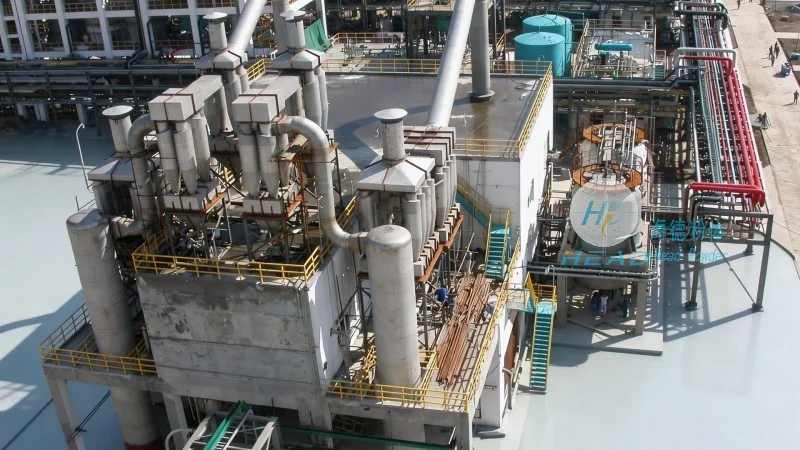
Key Principles of Carbon Fiber Material Handling
The fundamental principles guiding carbon fiber material handling involve several critical aspects. First, the need to prevent damage to the carbon fiber surface is paramount, as even minor abrasions or scratches can compromise the material's structural integrity and performance. This necessitates the use of specialized equipment with smooth, non-abrasive surfaces and gentle handling mechanisms. Second, the systems must accommodate the material's anisotropic properties, where strength and stiffness vary with direction, requiring precise control over handling forces and orientations. Third, considerations for dust and static electricity are essential, as carbon fiber particles can generate static charges that may attract contaminants or cause electrical hazards. Proper grounding and anti-static measures are therefore integral to the design of these handling systems.
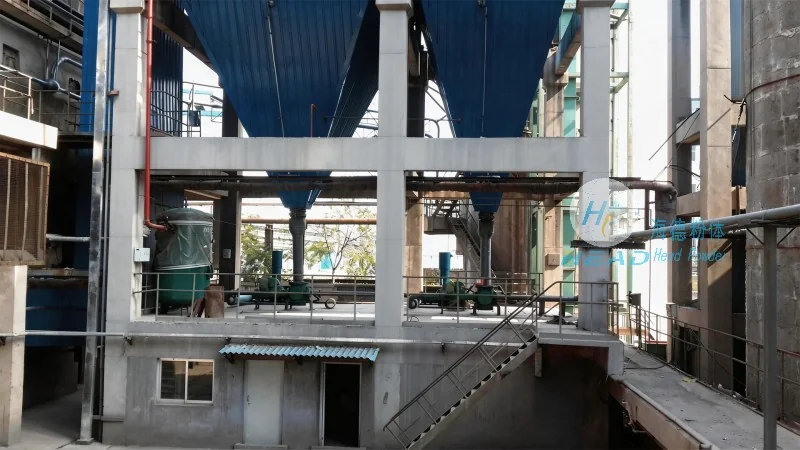
Working Scene Characteristics in Industrial Applications
Carbon fiber material handling systems are widely employed in various industrial scenarios, each with distinct characteristics that shape the system's design and operation. In aerospace manufacturing, for instance, these systems are crucial for transporting carbon fiber preforms and laminates to assembly lines, where precision and speed are critical to meeting production schedules. The working environment in aerospace often involves large, complex structures and high-volume production, demanding systems that can handle heavy loads while maintaining dimensional accuracy. In automotive manufacturing, carbon fiber is increasingly used for lightweight components, such as body panels and chassis parts. Here, the handling systems must be capable of handling smaller, more intricate parts with delicate surface finishes, ensuring that the carbon fiber's aesthetic and functional properties are preserved.
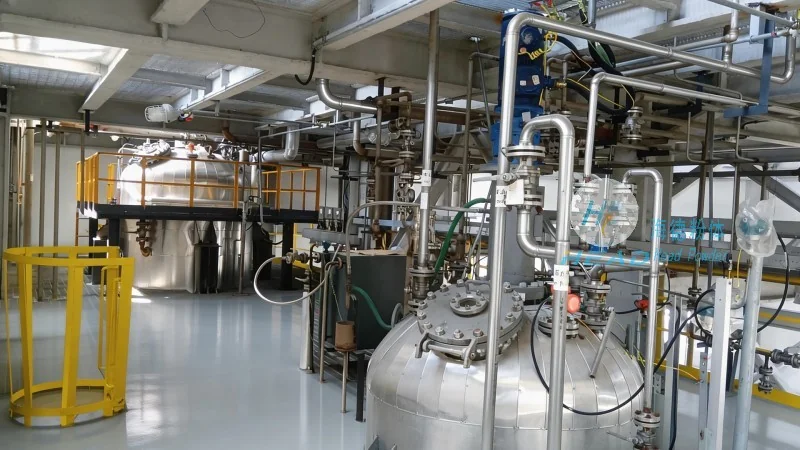
Manufacturing Process Integration and Automation
The integration of carbon fiber material handling systems into manufacturing processes is a key factor in enhancing overall productivity. Many modern facilities employ automated solutions, such as robotic arms and conveyor systems, to streamline the movement of carbon fiber materials from storage to processing stages. These automated systems reduce human intervention, minimizing the risk of material damage and improving consistency in handling. The automation also allows for real-time monitoring of material flow, enabling better inventory management and process optimization. In addition, the systems are often designed to interface with other manufacturing equipment, such as cutting machines and molding presses, creating a seamless workflow that minimizes downtime and enhances operational efficiency.
Company Profile: Shandong HeadPowder Engineering Co., Ltd.
Shandong HeadPowder Engineering Co., Ltd., commonly known as HeadPowder, is a leading provider of specialized material handling solutions tailored for carbon fiber and other advanced composite materials. With a focus on innovation and customer-centric design, HeadPowder has established itself as a trusted partner in the aerospace, automotive, and other high-tech industries. The company's headquarters is located in Shandong, China, where it leverages advanced manufacturing capabilities and technical expertise to develop and deliver cutting-edge handling systems. HeadPowder's commitment to quality and reliability has earned it a reputation for delivering solutions that meet the stringent requirements of modern manufacturing environments.
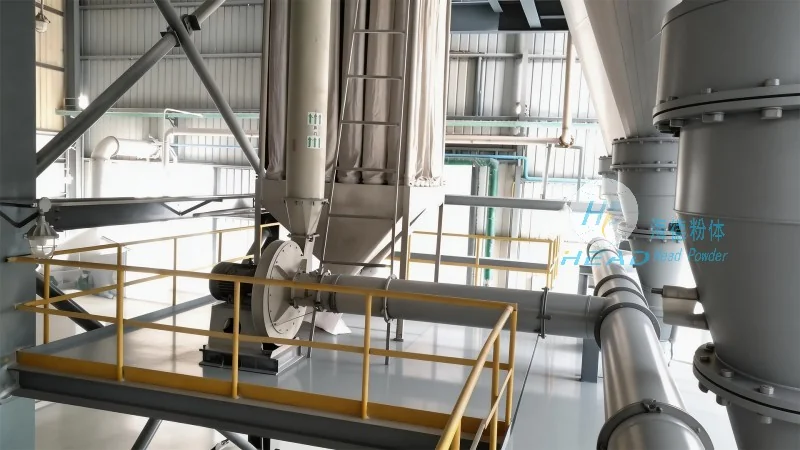
Address and Contact Information
HeadPowder Engineering Co., Ltd. is situated in Shandong, China, providing a strategic base for serving clients across the region and beyond. The company's physical address is in Shandong, China, reflecting its roots in the local industrial landscape while maintaining a global presence in the advanced materials sector. This location allows HeadPowder to stay closely connected with the evolving needs of its clients, ensuring that its products and services remain aligned with industry trends and technological advancements.