

Principles and Application Scenarios of Automatic Quantitative Powder Feeding Systems
HeadPowder, a leading enterprise in the field of powder processing technology, specializes in the design and manufacturing of advanced automatic quantitative powder feeding systems. These systems are engineered to meet the precise and reliable material handling needs across various industrial applications. This article delves into the fundamental principles behind such systems and highlights their key operational characteristics in real-world scenarios.
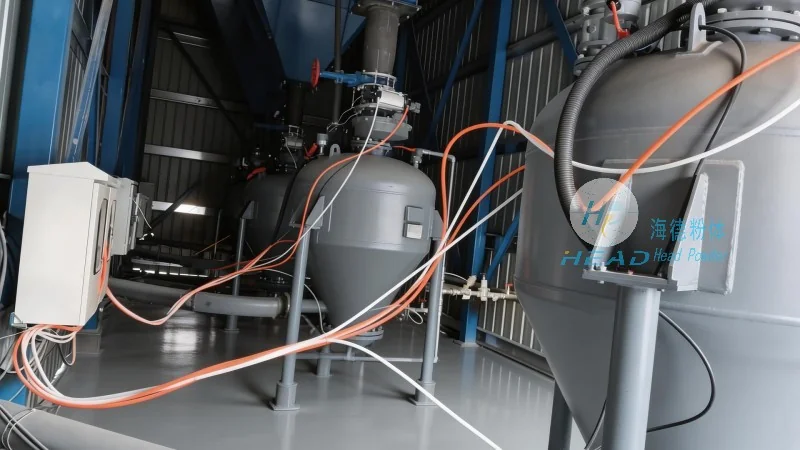
Understanding the Core Principles of Automatic Quantitative Powder Feeding Systems
At the heart of an automatic quantitative powder feeding system lies a sophisticated integration of mechanical, electrical, and control technologies. The primary objective is to ensure accurate measurement and consistent delivery of bulk powders, which is critical for maintaining product quality and process efficiency. The system typically comprises several key components, including a hopper for material storage, a weighing or volumetric measurement unit, a conveyor mechanism for material transport, and a control system that regulates the feeding process. The weighing method, whether based on load cells or volumetric displacement, is chosen based on the specific properties of the powder, such as flowability and density. For instance, free-flowing powders may utilize volumetric feeders, while cohesive or low-density materials often require gravimetric systems for higher precision. The control system plays a pivotal role in maintaining the set feeding rate by continuously monitoring the material flow and adjusting the feeder speed or opening size as needed. This closed-loop control ensures that the output matches the desired target, minimizing variations and optimizing production outcomes.
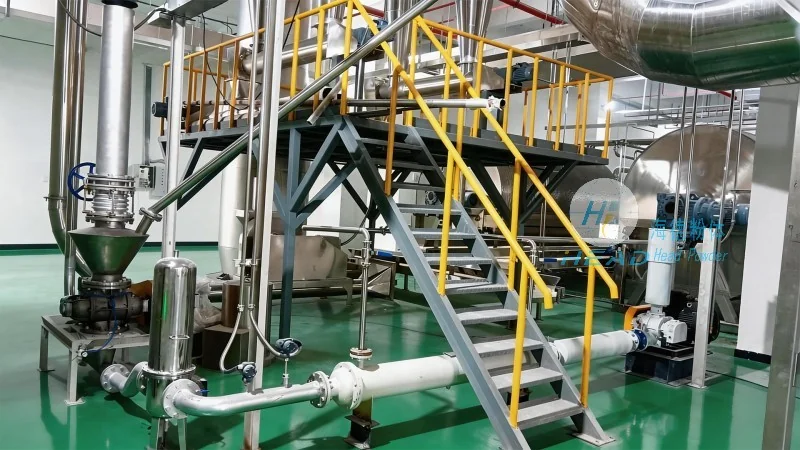
Key Working Scene Characteristics of Automatic Quantitative Powder Feeding Systems
The application scenarios of automatic quantitative powder feeding systems span a wide range of industries, each presenting unique challenges and requirements. In the pharmaceutical industry, for example, these systems are employed to handle active pharmaceutical ingredients (APIs) and excipients with strict purity and dosage standards. The precision of the feeding process directly impacts the final drug formulation, making it essential to use systems that can deliver accurate and repeatable measurements. Similarly, in the food and beverage sector, these systems are used for processing ingredients like flour, sugar, and spices, where consistency is vital for product quality and consumer safety. The ability to maintain a stable feeding rate helps in preventing over or under-dosing, which can affect the taste, texture, and nutritional value of the final product. In the chemical and petrochemical industries, these systems are crucial for handling raw materials and reagents, where precise dosing is necessary to control reaction rates and product purity. The robust design of the equipment, often featuring corrosion-resistant materials and dust-tight enclosures, ensures reliable operation in harsh environments. Additionally, in the manufacturing of ceramics and refractory materials, the systems are used to feed raw powders with high bulk density, requiring efficient and consistent feeding to achieve uniform product characteristics. The adaptability of these systems to different powder types and processing conditions makes them indispensable in modern industrial settings.
Technical Advantages and Operational Efficiency
Automatic quantitative powder feeding systems offer several technical advantages that enhance operational efficiency and reduce costs. One of the most significant benefits is the ability to achieve high accuracy and repeatability in material feeding. Unlike manual or semi-automatic systems, which are prone to human error and variability, these automated systems can maintain a consistent feeding rate with minimal deviation, even under varying material conditions. This precision helps in optimizing the production process by reducing waste and minimizing the need for rework or product adjustments. Another key advantage is the improved safety and hygiene standards. The enclosed design of the systems prevents dust contamination and exposure to hazardous materials, ensuring a safer working environment for operators. Moreover, the integration of advanced control technologies allows for real-time monitoring and data logging, enabling process optimization and predictive maintenance. This helps in identifying potential issues before they lead to equipment failure or production downtime. The systems also contribute to energy efficiency by optimizing the feeding process and reducing unnecessary energy consumption. By minimizing material overfeed and ensuring that the correct amount of powder is delivered at the right time, these systems help in lowering operational costs and enhancing overall productivity.
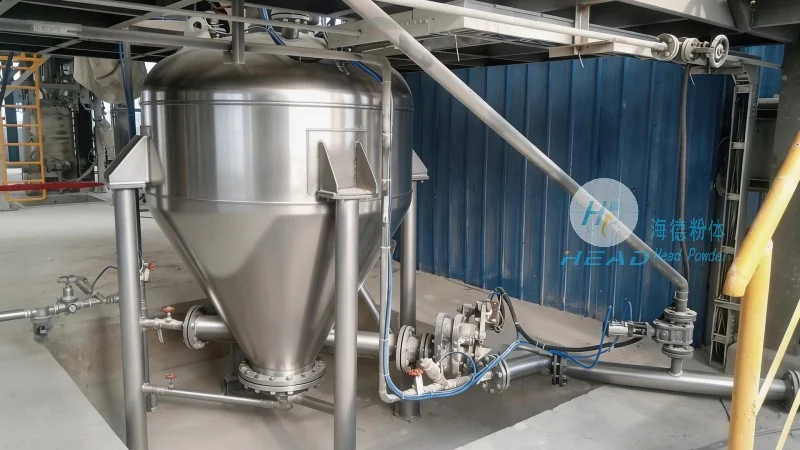
Customization and Integration Capabilities
HeadPowder recognizes that each industrial application has unique requirements, and therefore, offers customized solutions tailored to specific needs. The company’s engineering team works closely with clients to understand their process parameters, material characteristics, and production goals, and then designs a system that meets these specifications. Customization options may include different hopper sizes, feeding mechanisms (such as screw, vibratory, or rotary), and control interfaces. The systems can be integrated with existing production lines or new setups, ensuring seamless operation and minimal disruption to current workflows. For instance, in a pharmaceutical manufacturing plant, the system may be integrated with a tablet press or a granulation unit, where precise powder dosing is critical for the final product. Similarly, in a food processing facility, the system can be connected to a mixing or extrusion machine, ensuring consistent ingredient addition. The ability to integrate with other equipment and control systems enhances the overall efficiency of the production line and allows for better coordination between different process stages. HeadPowder also provides after-sales support, including maintenance services and technical assistance, to ensure the long-term reliability and performance of the installed systems.