

Principles and Application Scenarios of Glass Bead Powder Conveying
HeadPowder, a leading provider in the field of powder handling solutions, specializes in the efficient and reliable conveying of glass bead powders. This article delves into the fundamental principles governing the process of glass bead powder conveying and explores the diverse application scenarios where such technology is employed.
Understanding the Core Principles of Glass Bead Powder Conveying
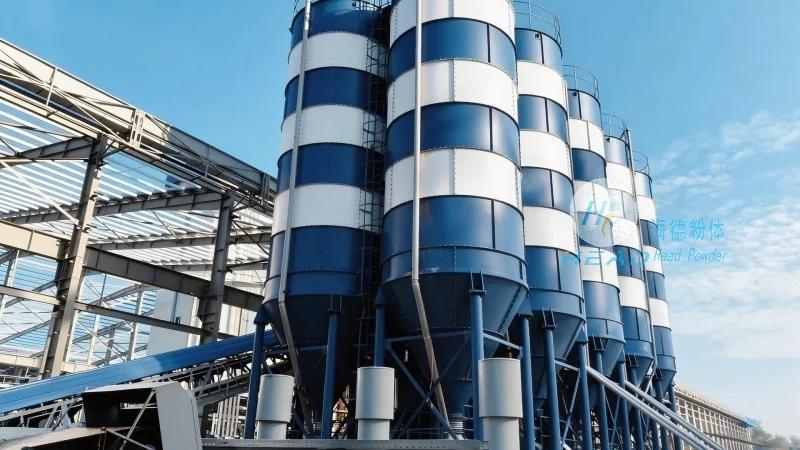
Glass bead powder conveying relies on several key principles to ensure optimal performance. The primary mechanism involves the use of air or gas to transport the fine particles through a pipeline system. This method, commonly known as pneumatic conveying, leverages the principle of fluid dynamics to move the material from one location to another. The efficiency of this process is determined by factors such as particle size, density, and the velocity of the conveying medium. For glass beads, which typically have a uniform size and relatively low density, the conveying process is optimized to minimize pressure drop and maximize throughput. The selection of the appropriate conveying system—whether it be pressure or vacuum-based—depends on the specific characteristics of the glass bead powder and the operational requirements of the application.
Key Components and Technologies in Glass Bead Powder Conveying Systems
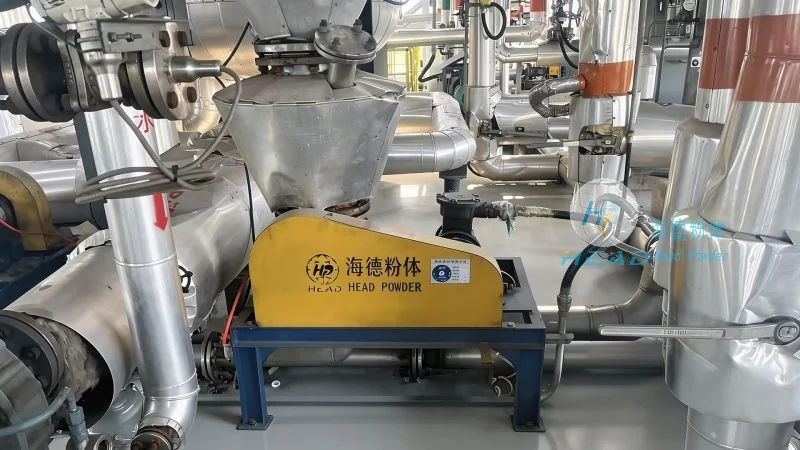
Effective glass bead powder conveying systems consist of several critical components. At the heart of the system is the feeder, which is responsible for feeding the glass beads into the conveying line at a controlled rate. This component is crucial for maintaining a consistent flow and preventing blockages. The conveying line itself, often made of materials like stainless steel or plastic, must be designed to withstand the abrasive nature of glass beads while minimizing friction and wear. The use of specialized valves, such as rotary valves or slide gates, ensures precise control over the material flow. Additionally, the system may incorporate filters and cyclones to separate any entrained air or fine particles, ensuring that the delivered material remains clean and free from contaminants. These components work in tandem to create a seamless and efficient conveying process.
Application Scenarios for Glass Bead Powder Conveying
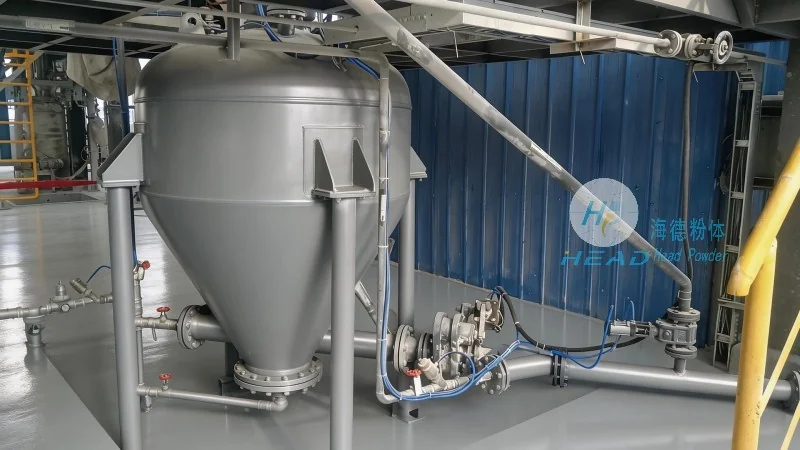
Glass bead powder conveying finds extensive application across various industries, primarily due to the unique properties of glass beads. In the automotive industry, glass beads are used as a key component in the manufacturing of coatings and paints, where precise delivery to production lines is essential. The consistent and reliable conveying of glass beads ensures uniform coating application, leading to higher quality finished products. In the construction sector, glass beads are incorporated into concrete mixes to enhance durability and reduce permeability. The ability to convey these fine particles efficiently allows for the production of high-performance concrete with consistent properties. The aerospace industry also benefits from glass bead powder conveying, as glass beads are used in the production of composite materials and thermal insulation products. The controlled delivery of glass beads ensures the uniform distribution of these particles within the composite, improving the structural integrity and thermal performance of the final product. Furthermore, in the electronics industry, glass beads are utilized in the manufacturing of printed circuit boards (PCBs) and other electronic components. The precise conveying of glass beads is critical for achieving uniform surface treatments and enhancing the electrical properties of the components. Each of these applications highlights the importance of efficient glass bead powder conveying in maintaining product quality and operational efficiency.
Operational Considerations and Best Practices
When implementing glass bead powder conveying systems, several operational considerations must be taken into account to ensure optimal performance. First, the selection of the conveying medium—air or gas—must be based on the specific characteristics of the glass bead powder. For example, high-density glass beads may require higher air velocities to achieve effective conveying. The system must also be designed to handle variations in particle size and moisture content, as these factors can impact the conveying efficiency. Regular maintenance of the system components, such as the feeder and valves, is essential to prevent wear and tear and maintain consistent performance. Additionally, monitoring the pressure and flow rates within the system helps in identifying any potential issues early on, allowing for timely adjustments. Best practices include conducting regular cleaning of the conveying line to prevent buildup of glass beads, which can lead to blockages and reduced efficiency. Proper training of operators on the system's operation and maintenance is also crucial for ensuring the longevity and reliability of the glass bead powder conveying system.
Conclusion
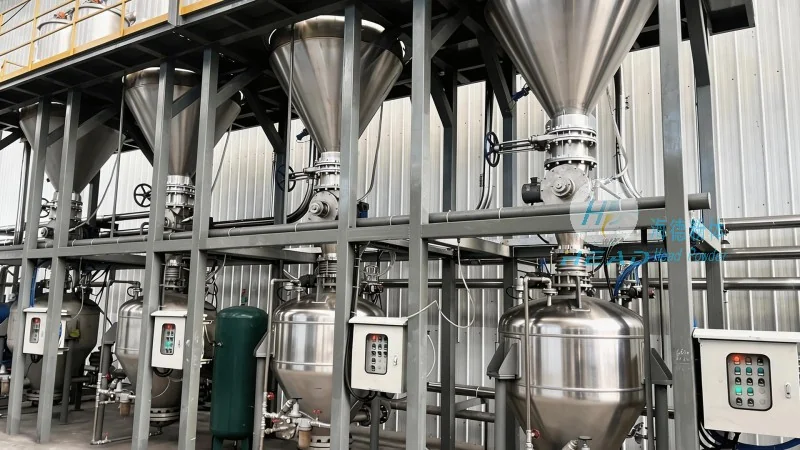
Glass bead powder conveying is a sophisticated process that combines principles of fluid dynamics and mechanical engineering to efficiently transport fine particles. The technology is widely applied across multiple industries, contributing to improved product quality and operational efficiency. As a leading company in this field, Shandong HeadPowder Engineering Co., Ltd. specializes in providing tailored powder handling solutions that meet the specific needs of various applications. By understanding the core principles and application scenarios of glass bead powder conveying, industries can leverage this technology to enhance their production processes and achieve better results. The continued development and optimization of glass bead powder conveying systems will further contribute to the advancement of powder handling technologies in the future.