

Principle and Working Scene Characteristics of Dry Limestone Pneumatic Conveying System Equipment
HeadPowder, a renowned enterprise based in Shandong, China, specializes in the design, manufacturing, and supply of advanced pneumatic conveying systems tailored for various industrial applications. This article delves into the core principles and operational characteristics of dry limestone pneumatic conveying systems, highlighting their efficiency, reliability, and suitability for diverse industrial environments.
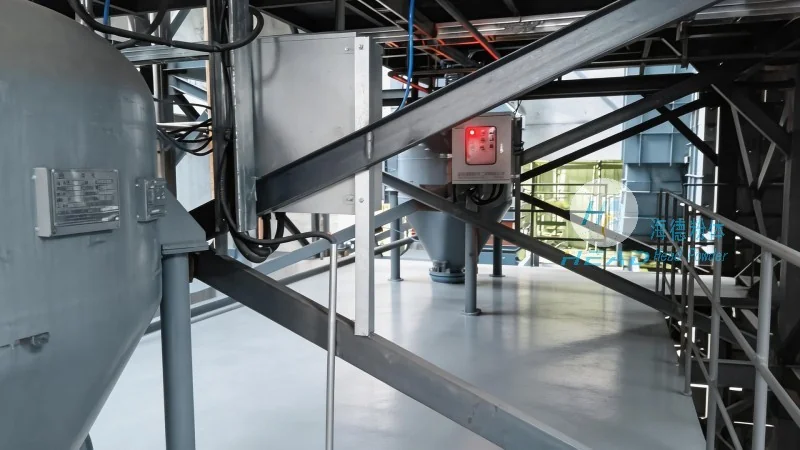
About HeadPowder: A Leading Provider of Pneumatic Conveying Solutions
HeadPowder, formally known as Shandong HeadPowder Engineering Co., Ltd., is a professional manufacturer and supplier dedicated to delivering high-quality pneumatic conveying equipment. With a strong commitment to innovation and customer satisfaction, the company has established itself as a trusted partner in the industry, offering tailored solutions that meet the specific needs of clients across different sectors. Headquartered in Shandong, China, HeadPowder leverages its extensive experience and technical expertise to develop cutting-edge systems that enhance material handling efficiency and safety.
Introduction to Dry Limestone Pneumatic Conveying Systems
Dry limestone pneumatic conveying systems are engineered to transport dry limestone powder or granules through a pipeline using compressed air or other gas as the conveying medium. This technology offers a cost-effective and efficient alternative to traditional bulk material handling methods, such as belt conveyors or trucks, by eliminating the need for mechanical components like belts, rollers, or buckets. The system typically consists of a hopper, a feeder, a pipeline, and a receiver, all working in tandem to ensure smooth and continuous material transport. The dry limestone, stored in the hopper, is fed into the pipeline via the feeder, where it is carried by the air flow to the destination point, such as a storage silo or processing unit.
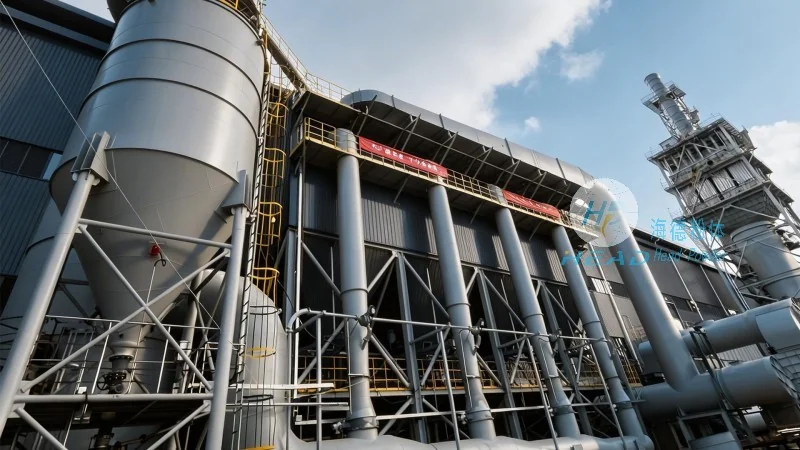
The Working Principle of Pneumatic Conveying Systems
The fundamental principle behind dry limestone pneumatic conveying systems is the use of air pressure to move the material. The system operates by creating a pressure differential between the hopper and the receiver. When the feeder opens, the dry limestone is drawn into the pipeline by the moving air, which acts as a carrier. The air flow is generated by a blower or compressor, which supplies the necessary pressure and volume to transport the material. The velocity of the air and the size of the particles determine the conveying capacity and efficiency of the system. Proper design of the pipeline, including the use of bends, expansions, and filters, is crucial to maintain the air flow and prevent material buildup or blockages. The system can operate in both positive and negative pressure modes, depending on the application requirements. Positive pressure systems push the material through the pipeline, while negative pressure systems pull the material from the hopper. The choice of mode depends on factors such as the distance, height, and number of turns in the pipeline, as well as the material characteristics.
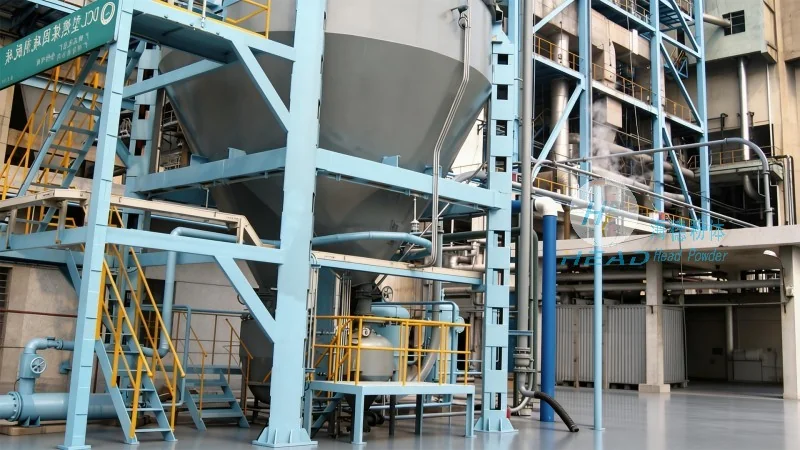
Key Characteristics and Application Scenarios
Dry limestone pneumatic conveying systems exhibit several key characteristics that make them ideal for industrial applications. Firstly, they offer high efficiency and reliability, with minimal maintenance requirements compared to traditional mechanical systems. The absence of moving parts reduces the risk of mechanical failure and downtime, ensuring continuous operation. Secondly, these systems are highly flexible, allowing for easy integration into existing production lines or new facilities. The pipeline can be configured to follow the layout of the plant, minimizing the need for additional equipment or infrastructure. Thirdly, dry limestone pneumatic conveying systems are environmentally friendly, as they do not generate dust or emissions during transport, unlike some mechanical systems that may produce dust or require dust collection systems. This makes them suitable for applications where dust control is a priority. Fourthly, the systems are capable of handling a wide range of material sizes and moisture contents, making them versatile for different limestone types and processing requirements.
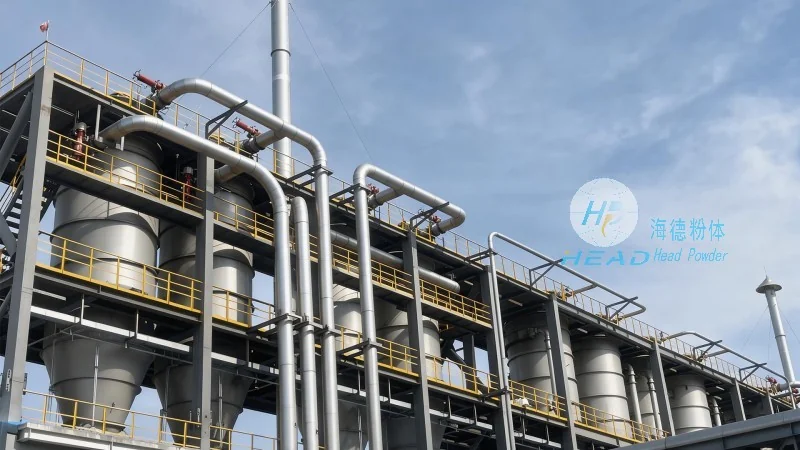
Operational Advantages and Benefits
Implementing dry limestone pneumatic conveying systems brings numerous operational advantages and benefits to industrial operations. One of the primary benefits is the significant reduction in labor costs and manual handling, as the system automates the material transport process. This not only improves safety by minimizing the risk of accidents associated with manual handling but also enhances productivity by allowing workers to focus on other tasks. Another advantage is the improved material quality, as the system prevents material degradation or contamination during transport. The enclosed pipeline design ensures that the dry limestone remains clean and free from external contaminants, which is crucial for applications where material purity is essential, such as in the production of cement or other industrial products. Additionally, the systems offer energy efficiency, as they can be optimized to use the minimum amount of air required for transport, reducing energy consumption and operational costs. The compact design of the system also saves space in the plant, making it suitable for facilities with limited floor space. Overall, dry limestone pneumatic conveying systems provide a cost-effective and sustainable solution for bulk material handling, enhancing operational efficiency and environmental performance.
Conclusion and Future Outlook
In conclusion, dry limestone pneumatic conveying systems, as provided by HeadPowder, represent a sophisticated and efficient solution for the transportation of dry limestone in industrial settings. By leveraging the principles of pneumatic conveying, these systems offer numerous advantages, including high efficiency, reliability, flexibility, and environmental friendliness. The company's expertise in designing and manufacturing tailored systems ensures that clients receive solutions that meet their specific requirements, whether for new installations or upgrades to existing facilities. As industrial demands for efficient and sustainable material handling continue to grow, dry limestone pneumatic conveying systems are poised to play an increasingly important role in various industries. HeadPowder remains committed to innovation and quality, continuing to develop advanced solutions that meet the evolving needs of its clients and contribute to the advancement of the industry.