

Principle and Working Scene Characteristics of Paint Pneumatic Conveying Machines
Paint pneumatic conveying machines represent a critical solution for the efficient and safe handling of paint materials in industrial applications. As a leading provider in this domain, Shandong HeadPowder Engineering Co., Ltd. (HeadPowder) specializes in developing advanced equipment tailored to the unique requirements of paint transportation processes. With a commitment to innovation and reliability, HeadPowder's products are engineered to enhance operational efficiency while maintaining compliance with industry standards and safety protocols.
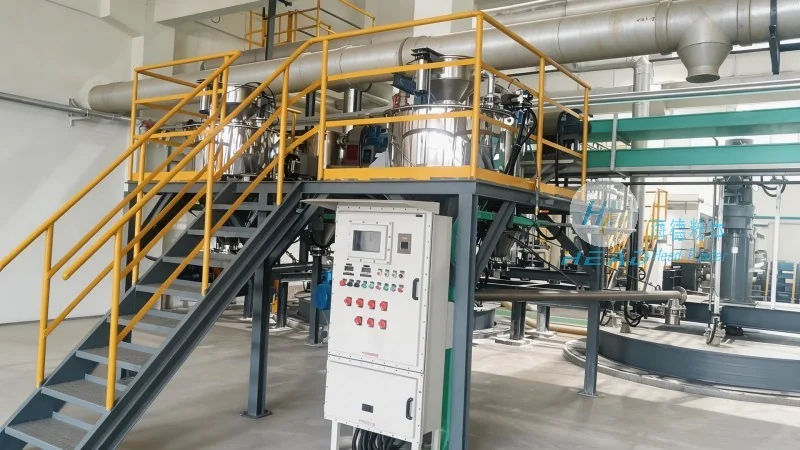
The Working Principle of Paint Pneumatic Conveying Systems
The fundamental operation of paint pneumatic conveying machines relies on the principle of pneumatic transport, where air pressure is utilized to move materials through a closed system. For paint, which is typically a fine powder or a liquid that can be atomized, the system functions by creating a controlled airflow that pulls the material along the conveying line. This approach eliminates the need for mechanical components such as belts or buckets, thereby reducing wear and maintenance expenses. The system comprises several key components: a hopper for material storage, a blower or compressor to generate airflow, a network of conveying pipes, and a receiver for the deposited paint. The process initiates when paint is fed into the hopper, and the blower activates, establishing a negative pressure that draws the paint particles into the pipe. As the air flows, it carries the particles to the destination, where the air is filtered and the paint is collected. This continuous, controlled flow minimizes dust generation and ensures a clean working environment, making it ideal for applications where material purity and worker safety are paramount.
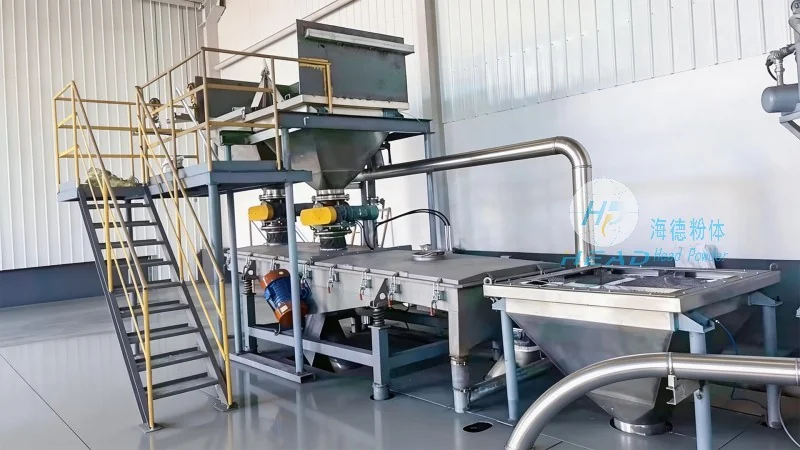
Key Features and Working Scene Characteristics
HeadPowder's paint pneumatic conveying machines are distinguished by several key features that make them suitable for diverse working environments. One primary characteristic is their adaptability to handle both dry and liquid paint, allowing for flexibility in production processes. The equipment is designed for high efficiency, with minimal energy consumption and low operational costs, which is crucial for maintaining profitability in industrial settings. Advanced filtration and dust control mechanisms are integrated to ensure that the paint remains uncontaminated and free from particulate loss during transport. The working scene characteristics include the ability to customize the conveying line layout to fit specific space constraints, making them suitable for facilities with limited floor area or complex production layouts. Scalability is another advantage, as the systems can be expanded to accommodate increased production demands without major overhauls. Safety features are paramount, with built-in sensors and controls that prevent overpressure, material blockages, or other operational hazards, protecting both equipment and personnel. The noise level is minimized through efficient blower designs, contributing to a more comfortable working environment for operators.

Application Scenarios and Practical Implementation
Paint pneumatic conveying machines find extensive application across various industrial sectors. In the automotive industry, they are employed to efficiently transfer paint from storage tanks to spray booths, ensuring consistent and uniform coating on vehicle bodies. The furniture manufacturing sector utilizes these systems to transport paint powders to spray lines, reducing manual handling and improving production throughput. The food and beverage industry also benefits from their hygienic design, as they are used to convey food-grade paints or coatings in a contamination-free manner. In the construction materials sector, paint pneumatic conveying is utilized for the transport of industrial paints used in building applications. Practical implementation involves careful planning of the conveying line layout, accounting for distance, elevation changes, and system pressure capabilities. HeadPowder provides comprehensive support for installation and commissioning, including on-site training for operators to ensure optimal performance. The machines are designed to integrate seamlessly with existing production lines, minimizing downtime during setup. Maintenance is straightforward, with easy access to components for cleaning and replacement, which extends the equipment's service life and reduces long-term costs.
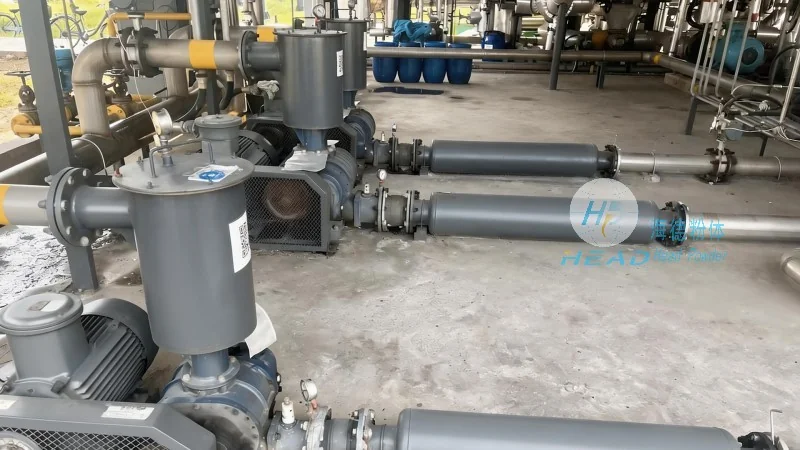
Technical Advantages and Operational Efficiency
The adoption of paint pneumatic conveying machines offers significant technical advantages that enhance overall operational efficiency. A key benefit is the reduction in material waste, as the system minimizes spillage and loss during transport, directly saving costs and improving environmental compliance. The continuous flow capability ensures a steady supply of paint to production processes, preventing bottlenecks and maintaining production schedules. The systems are highly reliable, with low failure rates due to the absence of moving parts that can wear out, leading to fewer interruptions and lower maintenance expenses over time. Energy efficiency is another critical advantage, as modern pneumatic conveying systems use advanced blowers that operate at optimal pressure levels, reducing energy consumption compared to traditional methods. The compact design allows for installation in confined spaces, optimizing factory floor utilization and maximizing productivity. Furthermore, the dust-free operation contributes to a safer workplace, reducing the risk of respiratory issues and improving employee health. The long-term operational cost savings, combined with the improved quality of paint application, make these machines a worthwhile investment for any industrial facility seeking to enhance productivity and maintain high standards of safety and quality.