

Principle and Working Scene Characteristics of Wheat Bran Pneumatic Conveying Machine
Welcome to Shandong HeadPowder Engineering Co., Ltd., a leading manufacturer specializing in advanced pneumatic conveying solutions for various industrial applications. Headquartered in Shandong, China, the company provides innovative equipment tailored to the needs of industries such as food processing and agriculture. This article explores the fundamental principles behind wheat bran pneumatic conveying machines and highlights key working scene characteristics that make them indispensable in modern processing facilities.
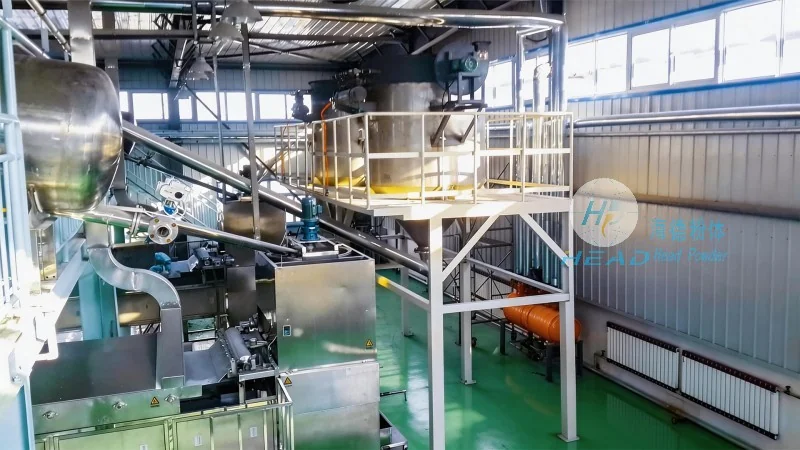
Understanding the Core Principle of Wheat Bran Pneumatic Conveying
Wheat bran pneumatic conveying machines operate on the principle of pneumatic transport, which involves the movement of bulk materials like wheat bran through a pipeline system using air or gas as the conveying medium. The process typically relies on a combination of pressure or vacuum to create a flow of material. In a pressure system, air is compressed and introduced into the conveying line, pushing the wheat bran forward. Conversely, a vacuum system draws the material into the pipeline using a suction mechanism. This method eliminates the need for mechanical components such as belts or buckets, reducing maintenance requirements and increasing operational efficiency.
Key Working Scene Characteristics of Wheat Bran Pneumatic Conveying Machines
The working scene characteristics of wheat bran pneumatic conveying machines are tailored to meet the specific demands of industrial environments, particularly in food processing and agricultural sectors. These characteristics include high efficiency in material handling, minimal product contamination, and adaptability to various processing scales. The machines are designed to handle fine, dry materials like wheat bran, ensuring consistent flow and preventing clogging in the conveying lines. Additionally, their compact design allows for integration into existing production lines without significant modifications to the facility layout.
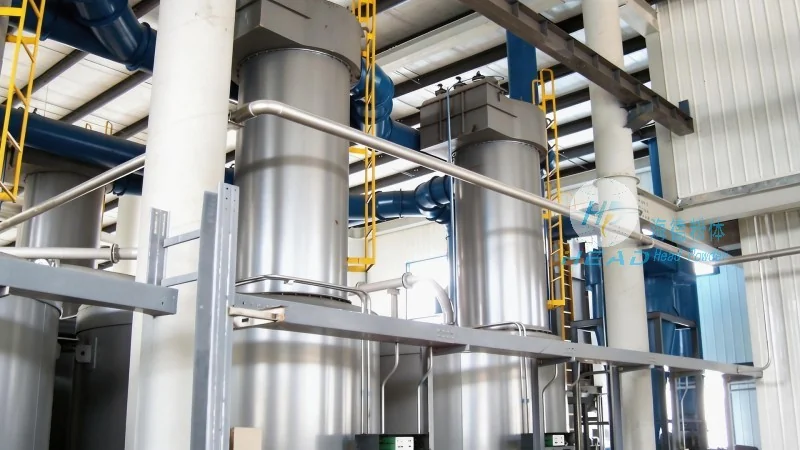
Applications and Operational Benefits in Real-World Settings
In real-world industrial settings, wheat bran pneumatic conveying machines are widely used in the food and agricultural industries. For instance, in flour mills, these machines efficiently transport wheat bran from storage silos to processing units, ensuring a continuous supply of raw materials. The ability to maintain product integrity is crucial here, as the machines prevent dust and contamination that could affect the quality of the final product. Another application is in the animal feed industry, where wheat bran is a key ingredient. The pneumatic conveying system ensures that the bran is delivered to feed mixing facilities in a clean and hygienic manner, meeting stringent industry standards.
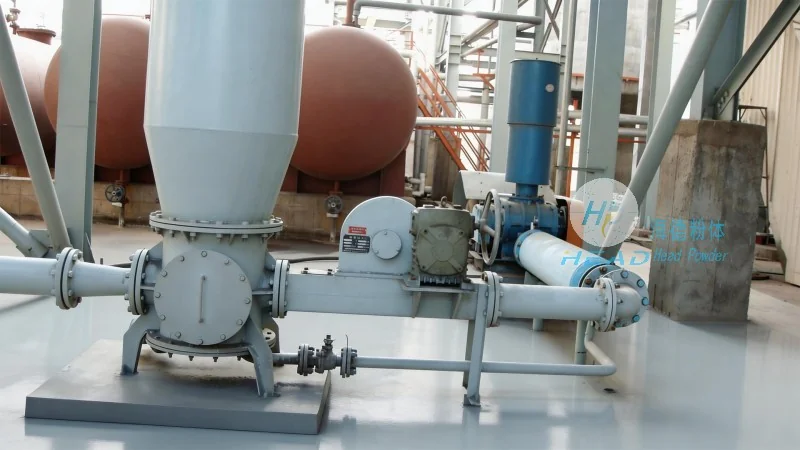
Advantages Over Traditional Conveying Methods
Compared to traditional mechanical conveying methods, wheat bran pneumatic conveying machines offer several advantages. These include reduced labor costs due to automated operation, lower energy consumption, and enhanced safety features. The absence of moving parts minimizes the risk of mechanical failure and reduces the need for frequent maintenance, leading to lower operational costs over time. Furthermore, the system's ability to handle fine powders without segregation or degradation makes it superior to methods like belt conveyors or screw conveyors, which may cause material breakdown or uneven distribution.
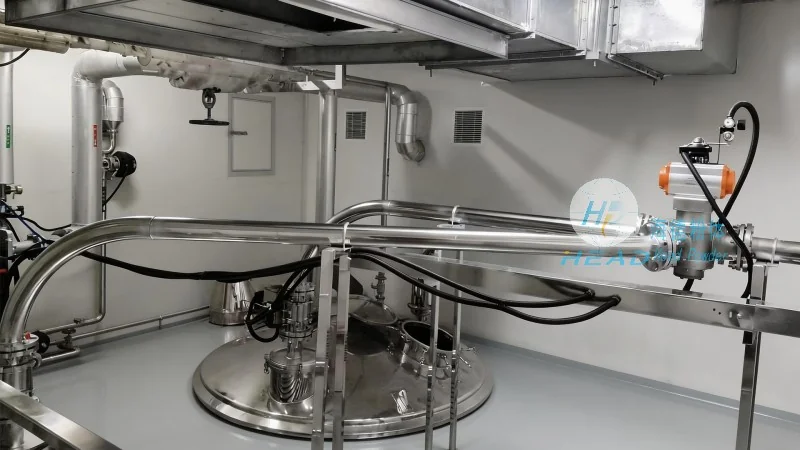
Customization and Scalability for Diverse Industrial Needs
Shandong HeadPowder Engineering Co., Ltd. offers customized solutions for wheat bran pneumatic conveying machines, tailored to the specific requirements of each client. The company's expertise lies in designing systems that can be scaled to accommodate varying production volumes, from small-scale operations to large industrial facilities. This scalability ensures that businesses can expand their operations without replacing the entire conveying system. Additionally, the machines can be integrated with other processing equipment, such as mixers or dryers, to create a seamless production line. The customization options include different pipeline configurations, material handling capacities, and control systems, ensuring that the solution meets the unique needs of each application.
Conclusion: The Role of Wheat Bran Pneumatic Conveying Machines in Modern Industry
Wheat bran pneumatic conveying machines, as exemplified by the solutions from Shandong HeadPowder Engineering Co., Ltd., play a vital role in enhancing operational efficiency and product quality in industrial settings. By leveraging the principles of pneumatic transport, these machines provide a reliable and cost-effective method for handling wheat bran and similar fine materials. The working scene characteristics, including high efficiency, minimal contamination, and adaptability, make them an ideal choice for modern processing facilities. As industries continue to seek innovative solutions for material handling, the importance of such advanced equipment will only grow, ensuring that businesses can maintain competitiveness and meet the demands of a rapidly evolving market.