

Principle and Working Scene Characteristics of Biomass Pellet Pneumatic Conveying Lines
Biomass pellet pneumatic conveying lines are advanced industrial systems designed to transport biomass pellets efficiently and reliably. Developed by Shandong HeadPowder Engineering Co., Ltd., a leading manufacturer based in China, these systems integrate innovative technology to meet the demands of modern biomass processing and energy applications. The company, commonly known as HeadPowder, specializes in engineering solutions that enhance material handling processes, ensuring optimal performance and durability in various industrial settings.
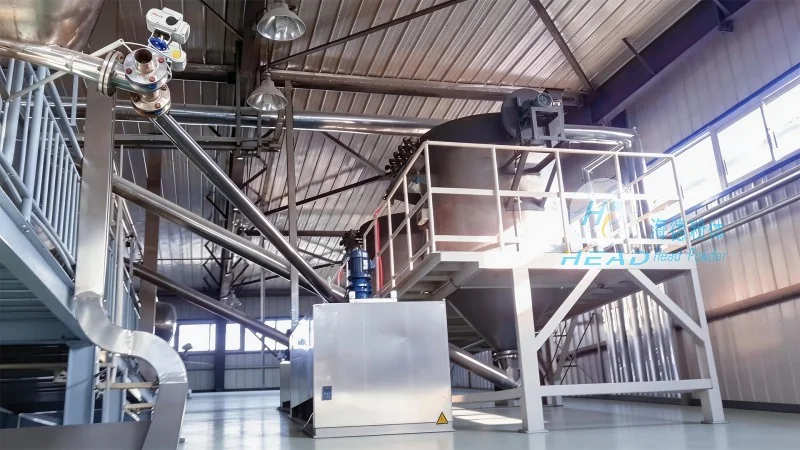
The Working Principle of Biomass Pellet Pneumatic Conveying Lines
The core principle of biomass pellet pneumatic conveying lines involves the use of air pressure to move material through a pipeline system. Unlike traditional mechanical conveyors, this method utilizes a vacuum or pressure differential to transport pellets from a source to a destination. The process typically begins with the material being fed into a hopper or feeder, where it is then introduced into a pipeline. A fan or blower generates the necessary airflow, creating a pressure difference that propels the pellets forward. The system can operate under either positive pressure (where air is forced into the line) or negative pressure (where air is drawn out), depending on the specific application and layout requirements. Key components include the feeding mechanism, the conveying pipeline, the air mover (fan or blower), and the discharge equipment. Each component is carefully designed to ensure smooth material flow, minimize blockages, and maintain consistent conveying rates. The technology allows for the transport of biomass pellets over long distances with minimal energy consumption and reduced wear on equipment, making it an efficient solution for bulk material handling in biomass processing facilities.
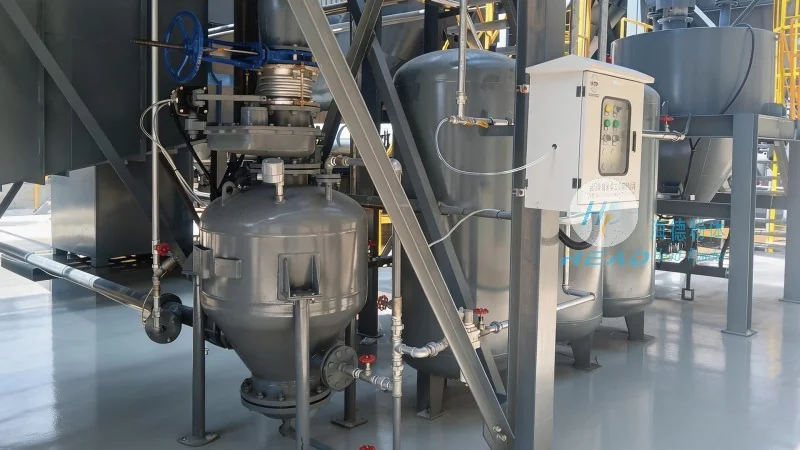
Key Characteristics of Working Scenes for Biomass Pellet Pneumatic Conveying Lines
The working scenes where biomass pellet pneumatic conveying lines are applied vary widely, reflecting their adaptability to different industrial needs. These systems are commonly used in biomass power plants, where they transport raw materials such as wood pellets or agricultural residues to the combustion or gasification units. In biomass pellet production facilities, the lines efficiently move finished pellets from the drying and cooling stages to storage or packaging areas. Additionally, they are employed in biofuel processing plants, where they convey pellets to pelletizing machines or storage silos. The versatility of these systems also makes them suitable for applications in the food and feed industries, where biomass pellets may be used as animal feed or in the production of bio-based products. The working scenes typically involve large-scale operations, requiring high throughput and reliable performance to support continuous production processes. The design of the conveying lines is tailored to the specific characteristics of the biomass pellets, such as size, density, and moisture content, ensuring optimal conveying efficiency and preventing material degradation. This adaptability allows HeadPowder's systems to meet the diverse requirements of various industrial sectors, providing customized solutions that enhance operational efficiency and reduce downtime.
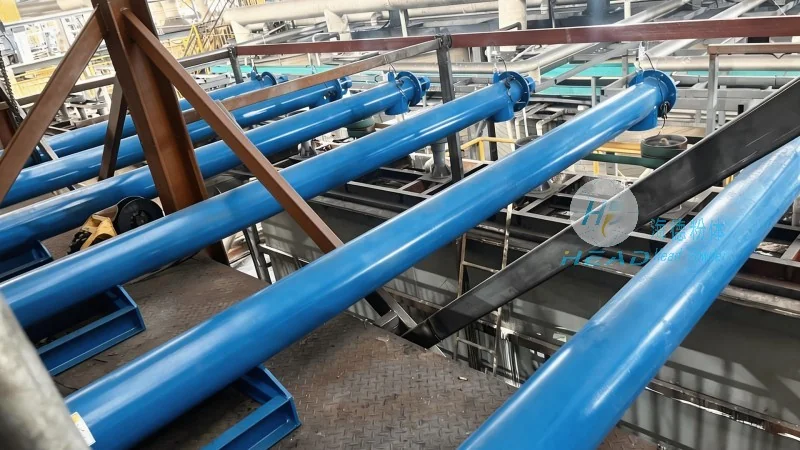
Advantages and Practical Applications in Industrial Settings
Biomass pellet pneumatic conveying lines offer several advantages that make them a preferred choice for material handling in biomass processing industries. One of the primary benefits is their ability to transport materials over long distances with minimal energy consumption compared to traditional mechanical conveyors. The use of air as the conveying medium reduces the need for moving parts, leading to lower maintenance costs and longer equipment lifespan. Additionally, these systems are highly flexible, allowing for easy integration into existing production lines and modification to accommodate changes in material flow or processing requirements. The enclosed pipeline design also helps to prevent dust emissions and maintain a clean working environment, which is crucial for compliance with environmental regulations and worker safety standards. In practical applications, the systems are known for their reliability and consistent performance, even under varying load conditions. This reliability is essential for maintaining production schedules and minimizing disruptions in biomass processing facilities. The systems are also designed to handle a wide range of biomass pellet types, including wood pellets, corn stalks, and other agricultural residues, making them versatile for different biomass sources. Overall, the advantages of biomass pellet pneumatic conveying lines, combined with the expertise of manufacturers like Shandong HeadPowder Engineering Co., Ltd., make them a critical component in modern biomass processing and energy production.