

Principle and Working Scene Characteristics of Steel and Limestone Pneumatic Conveying Equipment
Steel and limestone pneumatic conveying equipment is a specialized system designed to transport bulk materials like steel powders or limestone powders through an air stream. The core principle of this technology involves creating a flow of air that carries the material particles from the source to the destination, eliminating the need for traditional mechanical conveyors such as belts or buckets. This method is particularly effective for handling materials that are dusty, abrasive, or require a dust-free environment, making it ideal for industrial applications in the steel and chemical sectors.
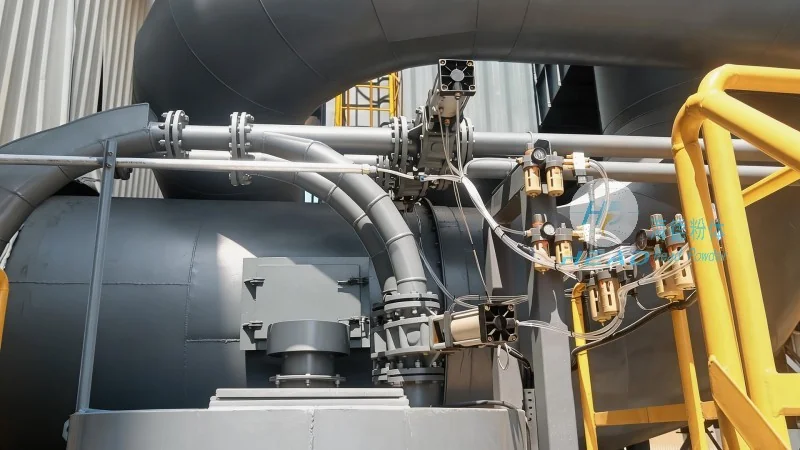
Manufacturer Overview
HeadPowder, a leading manufacturer based in Shandong, China, specializes in the design, production, and installation of advanced pneumatic conveying systems. With a strong focus on quality and innovation, the company has established itself as a trusted partner for industries requiring reliable material handling solutions. The company's facilities and expertise ensure that each system is tailored to meet specific operational requirements, providing customers with efficient and cost-effective solutions for their material transport needs.
The Working Principle of Pneumatic Conveying
The fundamental principle of pneumatic conveying for steel and limestone involves the use of a high-pressure air stream to move material particles. In a typical system, the material is introduced into a hopper or feeder, where it is then drawn into a pipeline by the moving air. The air velocity is carefully controlled to ensure that the particles are suspended and transported without settling or clogging the system. This process can be either positive pressure (where air is blown into the system) or negative pressure (where air is drawn out, creating a vacuum). The choice of system depends on the material properties, distance to be covered, and the need for dust control.
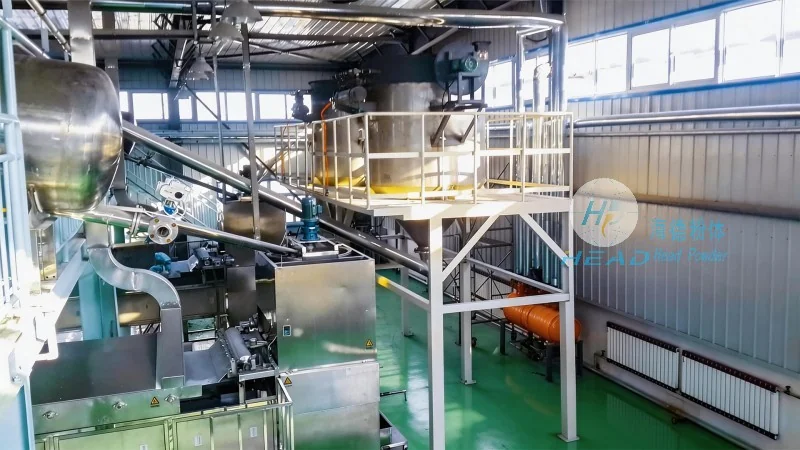
Key Components and Their Functions
Several critical components make up a pneumatic conveying system for steel and limestone. These include the hopper or feeder for material storage and introduction, the pipeline network that transports the material, the air compressor or vacuum pump that generates the air flow, and the control valves and sensors that regulate the system. Each component plays a vital role in ensuring the smooth operation of the equipment. For example, the feeder controls the flow rate of the material, while the air compressor maintains the necessary pressure or vacuum. The pipeline design, including bends and fittings, is optimized to minimize pressure loss and prevent material buildup. Additionally, dust collection systems are often integrated to capture any particles that escape the main conveying line, ensuring compliance with environmental regulations and maintaining a safe working environment.
Application Scenarios and Industry Use Cases
The versatility of steel and limestone pneumatic conveying equipment makes it suitable for a wide range of industrial applications. In the steel industry, these systems are commonly used to transport raw materials such as limestone, which is a crucial component in the production of steel. The equipment can handle large volumes of limestone from storage silos to the blast furnace or other processing units, ensuring a continuous and efficient supply of raw materials. Similarly, in limestone processing plants, the system is used to move limestone from crushing and grinding operations to storage or further processing stages. The ability to handle abrasive materials like steel powders or limestone without causing wear and tear on the equipment makes this technology highly advantageous for these applications.
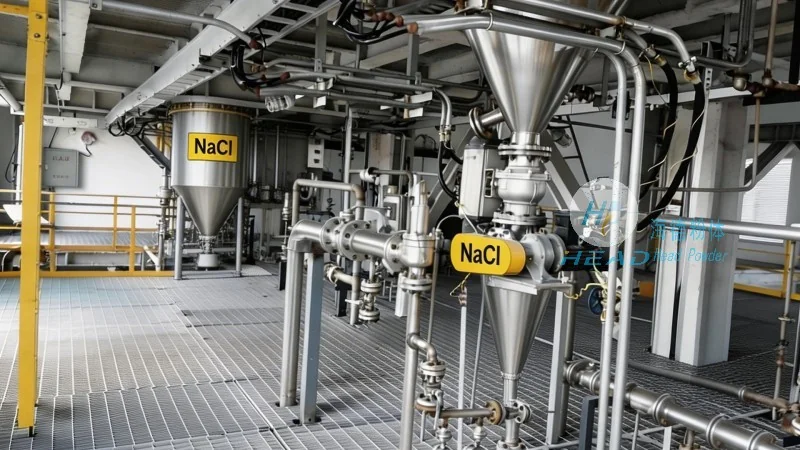
Advantages of Pneumatic Conveying in Steel and Limestone Handling
Compared to traditional mechanical conveyors, pneumatic conveying offers several advantages for steel and limestone transport. One of the most significant benefits is the ability to handle dusty or fine materials without the risk of clogging or material degradation. The enclosed system prevents dust from escaping into the environment, reducing the risk of respiratory issues for workers and minimizing the need for extensive dust control measures. Additionally, pneumatic systems can transport materials over longer distances with fewer intermediate points, reducing the overall footprint of the facility and improving operational efficiency. The flexibility of the system allows for easy integration with existing processes, and the ability to adjust the air flow and pressure ensures optimal performance under varying load conditions. Furthermore, the lack of moving parts in the conveying line reduces maintenance requirements and extends the lifespan of the equipment, leading to lower long-term operational costs.
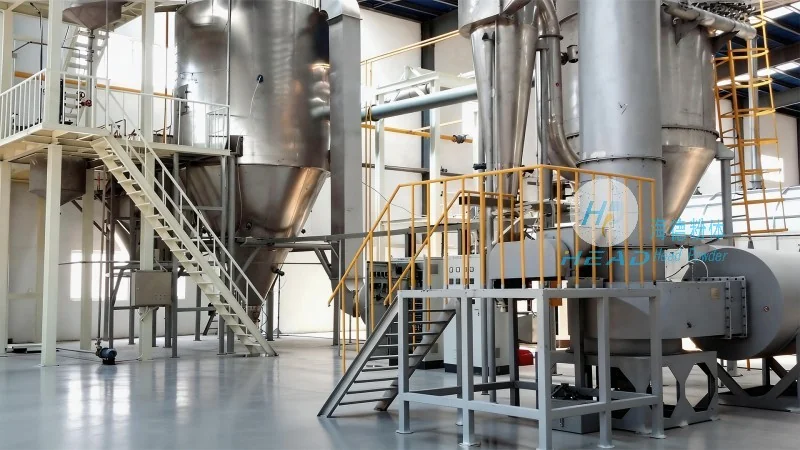
Working Scene Characteristics and Operational Considerations
The working scene characteristics of steel and limestone pneumatic conveying equipment are influenced by the specific industrial environment in which they are used. For instance, in a steel mill, the equipment must be able to handle high volumes of material and withstand the harsh conditions of the plant, including high temperatures and abrasive materials. The system is typically designed with robust materials and components that can withstand these conditions, ensuring reliable operation. In limestone processing facilities, the equipment may need to handle materials with varying particle sizes and moisture content, which can affect the conveying efficiency. The design of the feeder and pipeline is adjusted to accommodate these variations, ensuring consistent performance. Additionally, the system's integration with other processes, such as crushing or grinding, requires careful coordination to maintain a smooth flow of material. The control systems are often equipped with sensors and alarms to monitor the system's performance and detect any issues, such as blockages or pressure drops, allowing for immediate intervention and minimizing downtime.
Conclusion and Future Outlook
Steel and limestone pneumatic conveying equipment, as provided by HeadPowder, represents a sophisticated solution for efficient material handling in the steel and chemical industries. By leveraging the principles of pneumatic transport, these systems offer significant advantages over traditional methods, including improved efficiency, reduced maintenance, and enhanced safety. As industries continue to demand more reliable and cost-effective solutions, the demand for advanced pneumatic conveying systems is expected to grow. HeadPowder's commitment to innovation and quality ensures that it remains at the forefront of this technology, providing customers with the best possible solutions for their material transport needs.