

Principle and Working Scene Characteristics of Light-Weight Micropowder Pneumatic Conveying Equipmen
Light-weight micropowder pneumatic conveying equipment has become a crucial solution in modern material handling, particularly for the efficient and safe transport of fine powders. The core principle behind this technology lies in the use of air as the conveying medium, which allows for the movement of powders through a pipeline system without the need for mechanical components like belts or buckets. This method not only reduces operational costs but also minimizes the risk of material contamination and equipment wear.
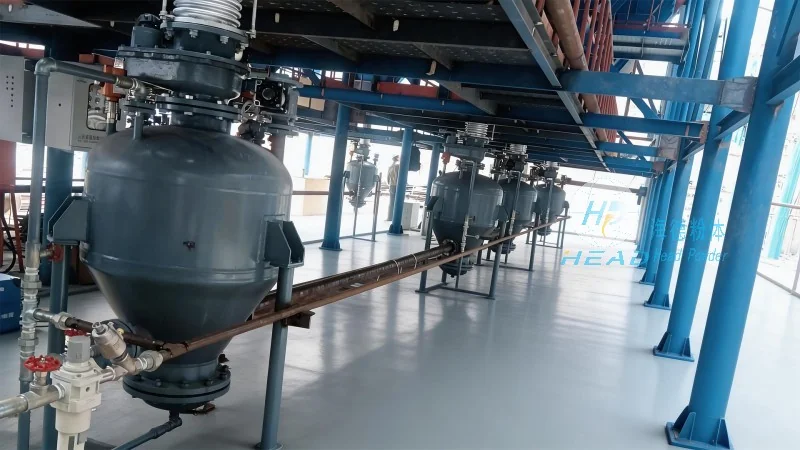
Principle of Light-Weight Micropowder Pneumatic Conveying
The operation of light-weight micropowder pneumatic conveying systems is based on the fundamental principle of fluidization and suspension. When air is introduced into the conveying line at a controlled velocity, it creates a fluidized state where the micropowders are suspended in the air stream. This suspension allows the powders to be transported over long distances with minimal pressure drops and energy consumption. The system typically consists of a hopper for material storage, a blower or compressor to generate the air flow, a pipeline network for material transport, and a discharge point for the received material. The design of the equipment is optimized to handle powders with low bulk density, such as those used in pharmaceuticals, food processing, and chemical industries, where maintaining product integrity is paramount.
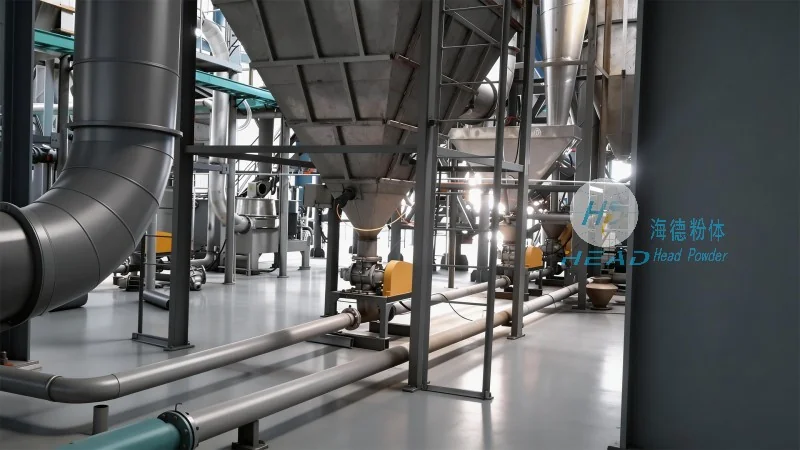
Working Scene Characteristics of the Equipment
The working scene characteristics of light-weight micropowder pneumatic conveying equipment are tailored to meet the diverse needs of industrial applications. These systems are particularly suitable for environments where traditional mechanical conveying methods are impractical or inefficient. For instance, in pharmaceutical manufacturing, where product purity and contamination control are critical, pneumatic conveying ensures that the powders are handled in a closed system, preventing exposure to external contaminants and maintaining sterile conditions. In food processing industries, the equipment can be designed to meet sanitary standards, with materials that are easy to clean and maintain, ensuring compliance with food safety regulations. Additionally, the equipment is adaptable to various production scales, from small-scale laboratory applications to large-scale industrial production lines, making it versatile for different operational requirements.
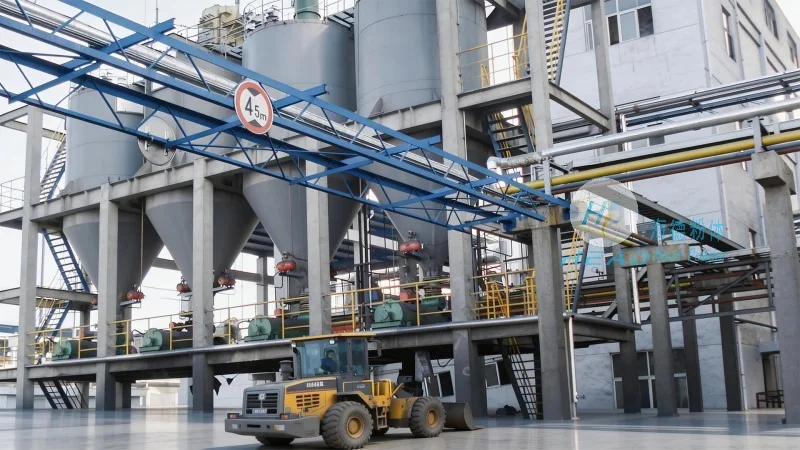
Company Profile and Technical Expertise
HeadPowder, as the brand under Shandong HeadPowder Engineering Co., Ltd., specializes in the design, manufacturing, and supply of advanced pneumatic conveying solutions. With a focus on innovation and customer-centric approaches, the company has established itself as a leading provider in the industry. The technical team at HeadPowder consists of experienced engineers and technicians who possess deep knowledge of material handling technologies and pneumatic systems. They work closely with clients to understand their specific material characteristics, production requirements, and operational challenges, thereby developing customized solutions that meet their unique needs. The company’s commitment to quality is evident in its adherence to international standards and rigorous testing protocols, ensuring that each piece of equipment is reliable, efficient, and durable. HeadPowder’s facilities in Shandong, China, are equipped with state-of-the-art manufacturing equipment and quality control systems, enabling the production of high-performance pneumatic conveying equipment that delivers consistent performance and long service life.
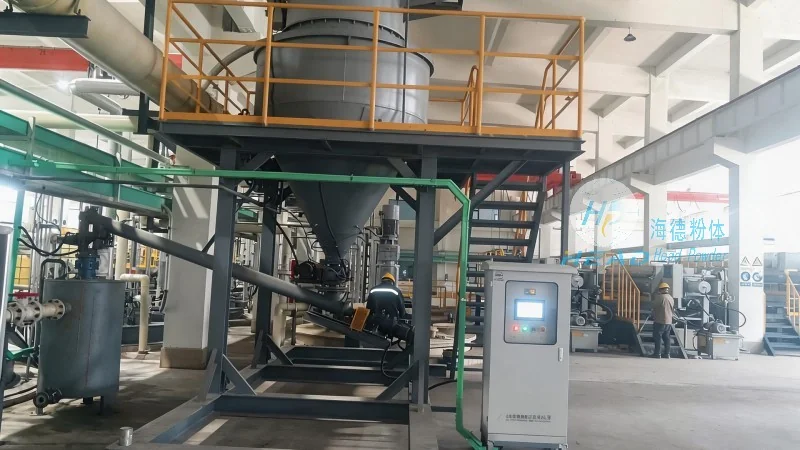
Application Examples and Operational Benefits
Light-weight micropowder pneumatic conveying equipment is widely applied in various sectors, including pharmaceuticals, food, chemicals, and minerals processing. In the pharmaceutical industry, the equipment is used to transport active pharmaceutical ingredients (APIs) and excipients, ensuring that the powders are handled in a sterile and controlled environment. The closed system design prevents cross-contamination and maintains the integrity of the product, which is essential for meeting regulatory requirements. In the food industry, the equipment is employed to convey ingredients like flour, sugar, and spices, with options for sanitary design to comply with food safety standards. The operational benefits of using this equipment include reduced labor costs, as the system automates the material handling process, and improved safety, as there is no direct human contact with the powders. Additionally, the equipment minimizes material waste by reducing spillage and loss during transport, leading to cost savings and environmental benefits. The energy efficiency of the system, due to optimized air flow and pressure management, further contributes to lower operational expenses and a smaller carbon footprint.