

Common Tailings Transport Methods: A Comparison
Tailings, the byproduct of mineral processing operations, require efficient and reliable transport systems to manage their movement from processing facilities to disposal sites. The choice of transport method significantly impacts operational efficiency, cost, and environmental safety. This article provides a detailed comparison of common tailings transport methods, focusing on their applications, advantages, and considerations for different mining operations. Shandong HeadPowder Engineering Co., Ltd., a leading provider of mining equipment and solutions, offers tailored tailings transport solutions to meet the diverse needs of mining projects.
Overview of Key Tailings Transport Methods
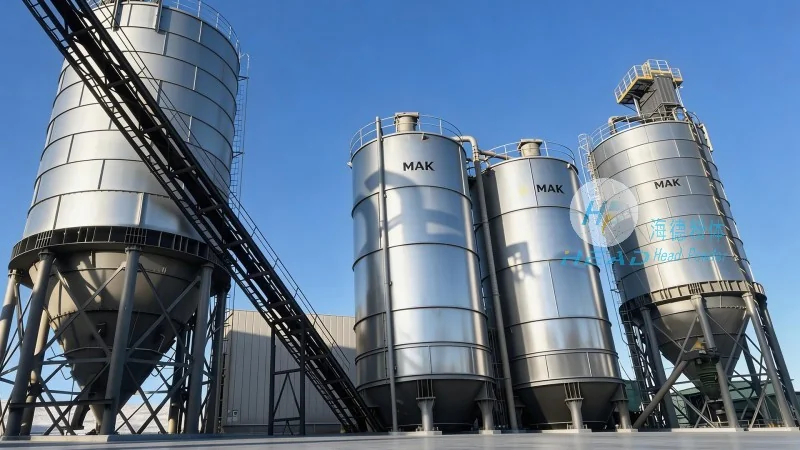
Several primary methods are widely used in the mining industry for tailings transport. These include pipeline transport, truck transport, and conveyor systems. Each method has distinct characteristics that make it suitable for specific operational conditions and project requirements.
Pipeline Transport for Tailings
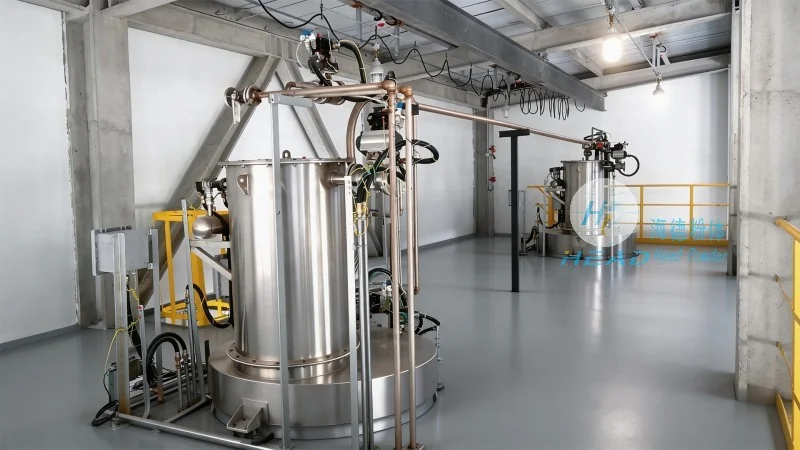
Pipeline transport is a popular choice for long-distance and continuous tailings movement. It involves pumping tailings slurry through pipelines under pressure. This method is particularly effective for large-scale operations where the distance between the processing plant and the tailings storage facility (TSF) is extensive. The key advantages of pipeline transport include high capacity, low labor requirements, and reduced environmental impact compared to truck transport. However, it requires significant upfront investment in pipeline infrastructure and maintenance. The slurry consistency, pipeline diameter, and pumping equipment must be carefully selected to ensure efficient flow and minimize wear on the system.
Truck Transport for Tailings
Truck transport remains a versatile and widely adopted method for tailings movement, especially in scenarios where pipeline infrastructure is not feasible or economically viable. Trucks can navigate varied terrains and access remote sites, making them suitable for smaller or more dispersed mining operations. The primary benefits of truck transport include flexibility in route planning and the ability to handle irregular or changing site conditions. However, it is generally more labor-intensive and has higher operational costs due to fuel consumption, vehicle maintenance, and regulatory compliance. Environmental considerations, such as dust control and spill prevention, are also critical when using truck transport for tailings.
Conveyor Systems for Tailings
Conveyor systems, including belt conveyors and bucket elevators, are commonly used for short to medium-distance tailings transport within processing plants or between adjacent facilities. These systems are ideal for handling dry or semi-dry tailings and can be integrated into existing processing infrastructure. The advantages of conveyor systems include low energy consumption, minimal maintenance, and the ability to transport materials over gentle slopes. However, they have limitations in terms of vertical lift capacity and are less suitable for long-distance or high-volume transport compared to pipelines. The design of the conveyor system, including the belt type, speed, and inclination, must be optimized to prevent material degradation and ensure consistent performance.
Factors Influencing Tailings Transport Method Selection
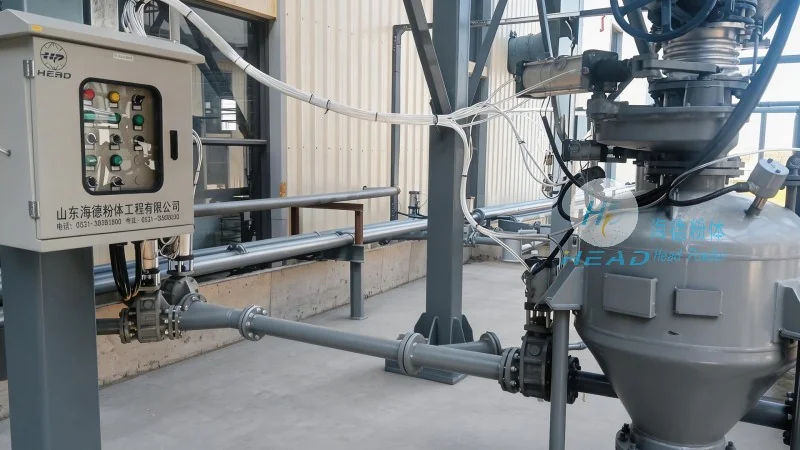
The selection of an appropriate tailings transport method depends on several critical factors. These include the distance between the processing plant and TSF, the volume of tailings to be transported, the terrain and topography of the site, and the environmental regulations in the region. Cost considerations, such as initial investment versus operational expenses, also play a significant role. For example, in areas with flat terrain and long distances, pipeline transport may be the most cost-effective option, while in hilly or remote regions, truck transport might be more practical. Additionally, the nature of the tailings (e.g., particle size, moisture content) affects the choice of transport method, as some systems are better suited for handling specific slurry characteristics.
Operational Considerations and Best Practices
Regardless of the chosen transport method, effective management is essential for safe and efficient tailings operations. Regular maintenance of equipment, monitoring of flow rates and pressure, and adherence to safety protocols are crucial. For pipeline transport, preventive measures against corrosion and blockages are necessary to ensure long-term reliability. In truck transport, proper loading and unloading procedures, along with regular vehicle inspections, help minimize accidents and spills. Conveyor systems require routine checks on belt tension, alignment, and cleaning mechanisms to prevent downtime and material loss. Implementing a comprehensive monitoring system can provide real-time data on transport performance, enabling timely adjustments and improvements.