

[Working Principle and Features of Barium Carbonate Material Handling]
Barium carbonate is a widely used chemical compound in various industrial applications, and efficient material handling is crucial for its processing and transportation. Understanding the working principle and key features of the systems designed for barium carbonate material handling is essential for optimizing operations and ensuring safety in industrial settings.
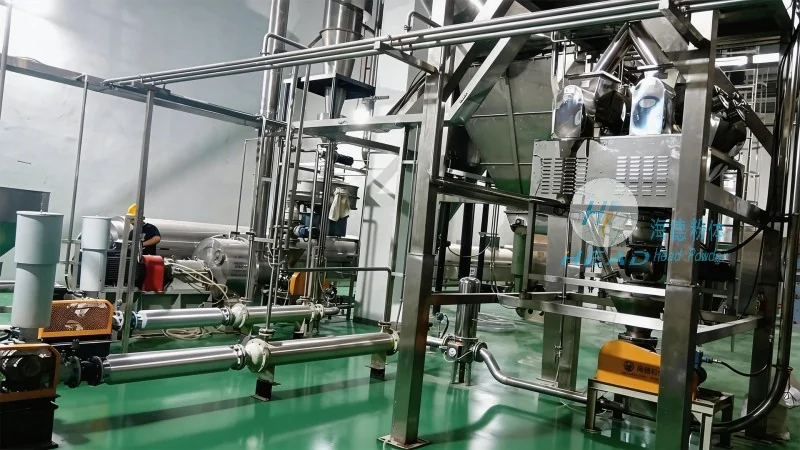
Overview of Barium Carbonate Material Handling Systems
Barium carbonate material handling systems are engineered to manage the movement of this compound from storage to processing units or packaging areas. These systems typically involve a combination of equipment such as conveyors, feeders, and storage silos, all designed to handle the material's physical properties while maintaining operational efficiency and safety standards.
Working Principle of Barium Carbonate Material Handling
The working principle of barium carbonate material handling systems revolves around the controlled movement of the material through various stages. Initially, the material is stored in bulk in silos or hoppers, where it is kept under controlled conditions to prevent caking or degradation. From the storage silo, the material is transferred to a feeder system, which regulates the flow rate to ensure consistent and controlled feeding into downstream processing equipment.
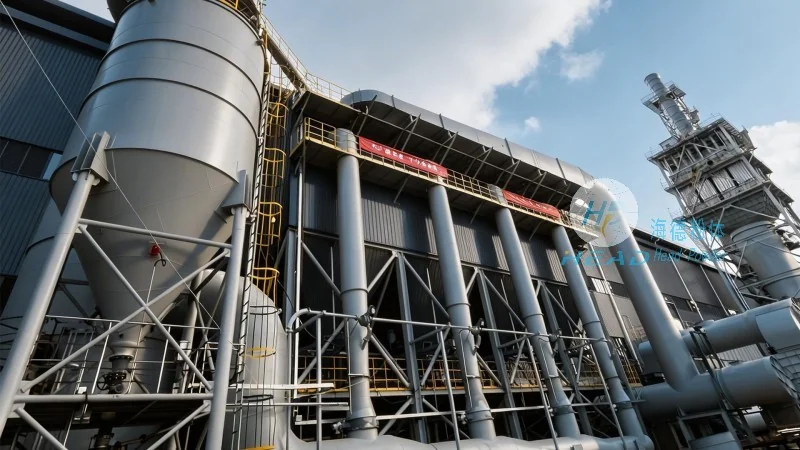
Conveyors, such as belt conveyors or screw conveyors, are commonly used to transport the barium carbonate from the feeder to the processing or packaging areas. The choice of conveyor type depends on factors like the material's bulk density, flow characteristics, and the required throughput. For example, screw conveyors are effective for handling dry, free-flowing materials like barium carbonate, while belt conveyors may be preferred for larger volumes or when the material needs to be elevated to a higher level.
Feeding mechanisms, including vibratory feeders or rotary valves, play a critical role in controlling the flow of barium carbonate. These devices ensure that the material is discharged at a uniform rate, preventing overloading or underfeeding of downstream equipment. The controlled feeding process is essential for maintaining the quality of the final product and avoiding equipment damage due to inconsistent material flow.
Key Features of Barium Carbonate Material Handling Systems
Several key features distinguish effective barium carbonate material handling systems, focusing on efficiency, safety, and adaptability. One prominent feature is the use of dust control measures, as barium carbonate can generate fine dust during handling, which poses health risks and can affect equipment performance. Systems often incorporate dust collection systems, such as baghouses or cyclones, to capture and filter the airborne particles, ensuring a clean and safe working environment.
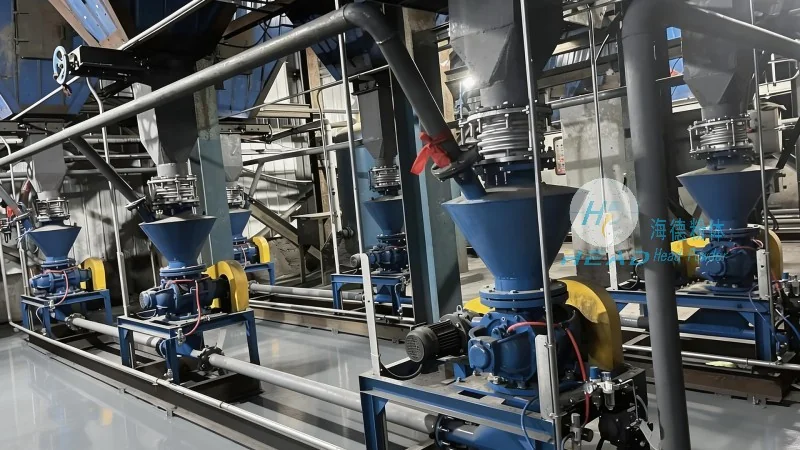
Another important feature is the integration of safety mechanisms to prevent accidental release or exposure. This includes features like lockout-tagout procedures, emergency stop buttons, and enclosed systems to minimize the risk of material spillage or inhalation of dust. The design of these systems adheres to industrial safety standards, ensuring compliance with regulations and protecting personnel.
Adaptability is also a critical feature, as barium carbonate material handling systems must be able to accommodate variations in material characteristics, such as changes in moisture content or bulk density. This adaptability is achieved through adjustable feeder settings, variable speed conveyors, and modular components that can be reconfigured to meet different processing requirements. The ability to adapt to changing conditions helps maintain operational efficiency and reduces downtime.
Operational Efficiency and Maintenance Considerations
Efficiency in barium carbonate material handling is achieved through the optimization of equipment performance and the reduction of downtime. Regular maintenance is essential to ensure that all components, including conveyors, feeders, and silos, operate at peak efficiency. This includes routine inspections, lubrication of moving parts, and cleaning of dust accumulation to prevent blockages or wear.
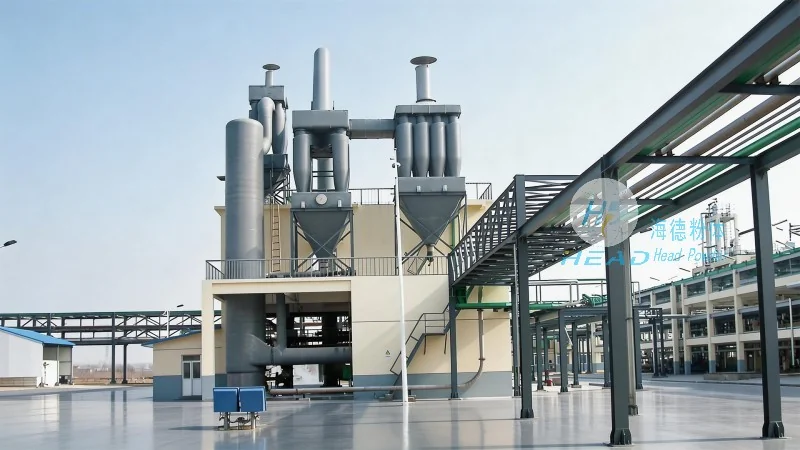
System design also considers the material's properties, such as its tendency to cake or agglomerate. To prevent these issues, systems may include features like vibratory motion in silos or hoppers to break up clumps and maintain a consistent flow. Additionally, the use of anti-static materials and grounding systems helps prevent static buildup, which can cause material discharge issues or spark hazards.
Conclusion
In summary, barium carbonate material handling systems operate on a principle of controlled, safe, and efficient movement of the material through various stages. Key features include dust control, safety mechanisms, and adaptability to varying material conditions. By understanding these principles and features, industrial operations can optimize their material handling processes, ensuring product quality, operational safety, and cost-effectiveness.