

[WOKING PRINCIPLE AND FEATURES OF ORE AND SAND MATERIAL CONVEYING]
Understanding the working principle and features of ore and sand material conveying systems is crucial for optimizing material handling processes in various industrial applications. This article provides a detailed overview of how these systems operate and the key characteristics that make them effective solutions for transporting bulk materials efficiently and reliably.
Introduction to Ore and Sand Material Conveying
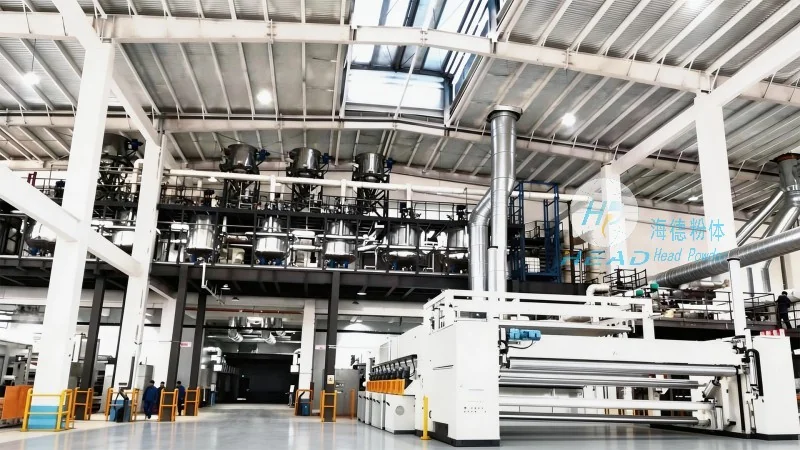
Ore and sand material conveying refers to the process of transporting loose bulk materials such as ores, sands, and other granular substances from one location to another within industrial facilities or between different sites. These materials are typically handled in large quantities and require efficient, cost-effective, and reliable conveying solutions to ensure smooth operations. The systems used for this purpose are designed to handle a wide range of material types, sizes, and densities, making them versatile tools in industries like mining, construction, and manufacturing.
Working Principle of Ore and Sand Material Conveying Systems
The core working principle of ore and sand material conveying systems revolves around the use of mechanical equipment to move materials through a defined path. The most common types of conveying equipment include belt conveyors, screw conveyors, bucket elevators, and pneumatic conveyors. Each system operates based on specific mechanisms that enable the transfer of materials with minimal human intervention and maximum efficiency.
For instance, belt conveyors utilize a continuous loop of a flat or troughed belt that moves over rollers or pulleys. The material is placed on the belt at the loading point, and as the belt rotates, it transports the material to the discharge point. This method is widely used due to its simplicity, low maintenance requirements, and ability to handle large volumes of material over long distances. Screw conveyors, on the other hand, use a rotating screw (helix) inside a tube to push material forward. This type of conveyor is particularly effective for handling dry, free-flowing materials and can operate in both horizontal and inclined positions.
Bucket elevators are another common solution, especially for vertical or inclined material transport. They consist of a series of buckets attached to a chain or belt that moves vertically. As the buckets ascend, they scoop up material at the bottom and discharge it at the top. This system is ideal for transporting materials vertically over significant heights, such as in mining operations where ore needs to be lifted from underground to surface processing facilities.

Pneumatic conveyors operate using air pressure to move materials through a pipeline. The material is suspended in a stream of air and transported through the system. This method is particularly useful for handling fine powders and granular materials that might be difficult to handle with other types of conveyors. However, it requires careful control of air pressure and flow rates to ensure efficient material transport.
Key Features of Ore and Sand Material Conveying Systems
The effectiveness of ore and sand material conveying systems is determined by several key features that enhance their performance and adaptability. These features include efficiency, reliability, adaptability, and cost-effectiveness. Each of these aspects plays a critical role in ensuring that the system operates optimally and meets the specific needs of the application.
Efficiency is a primary feature, as these systems are designed to minimize energy consumption while maximizing material throughput. Modern conveying systems often incorporate variable speed drives and energy-saving technologies to reduce operational costs and environmental impact. For example, variable speed belt conveyors can adjust their speed based on the load, ensuring that energy is used only when necessary.
Reliability is another crucial feature, as consistent performance is essential for maintaining production schedules and avoiding downtime. High-quality materials and robust construction are used in the design of these systems to ensure durability and long service life. Regular maintenance and proper operation also contribute to the reliability of the conveying equipment.
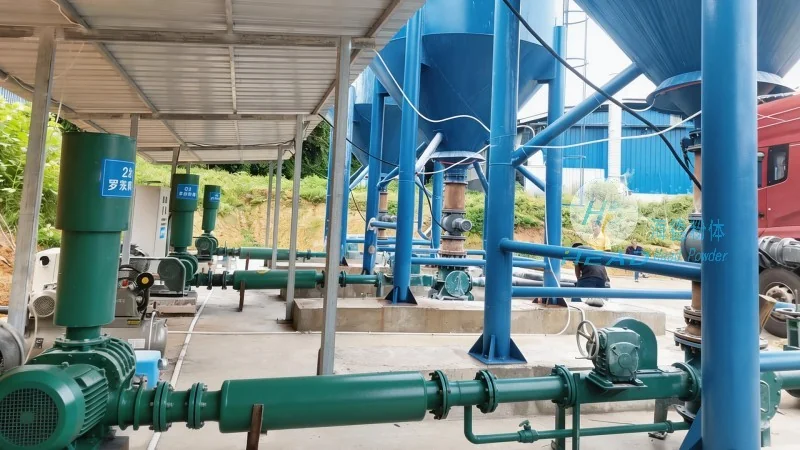
Adaptability is a key advantage, as ore and sand material conveying systems can be customized to handle a wide range of materials and operating conditions. This flexibility allows them to be integrated into existing production lines or adapted for new applications. For instance, conveyors can be equipped with different types of belts or buckets to suit specific material characteristics, such as abrasive or corrosive materials.
Cost-effectiveness is an important consideration, as these systems are designed to provide a high return on investment. The initial cost of the equipment is often offset by reduced labor costs, lower maintenance expenses, and increased productivity. Additionally, the ability to handle large volumes of material with minimal human intervention reduces operational costs and improves overall efficiency.
Applications and Industries
Ore and sand material conveying systems are widely used in various industries, including mining, construction, and manufacturing. In the mining industry, these systems are essential for transporting ore from underground mines to processing plants. In construction, they are used to move sand, gravel, and other aggregates for concrete production and road construction. In manufacturing, they are employed to transport raw materials to production lines and finished products to storage areas.
Conclusion
In conclusion, ore and sand material conveying systems are vital components of modern industrial operations, providing efficient and reliable solutions for transporting bulk materials. The working principles and key features of these systems, such as belt conveyors, screw conveyors, and pneumatic conveyors, make them versatile and adaptable to various applications. By understanding the operational mechanics and characteristics of these systems, industries can optimize their material handling processes, reduce costs, and improve overall productivity. As technology continues to advance, these systems are likely to become even more efficient and sustainable, further enhancing their role in industrial material transport.