

Working Principle and Features of Coal and Stone Powder Pneumatic Conveying System Equipment
For industries dealing with bulk materials like coal and stone powders, efficient and reliable material handling is crucial. The pneumatic conveying system equipment, specifically designed for such applications, offers a sophisticated solution that combines advanced technology with practical functionality. This article delves into the working principle and key features of these systems, highlighting how they enhance operational efficiency and safety in material transport processes.
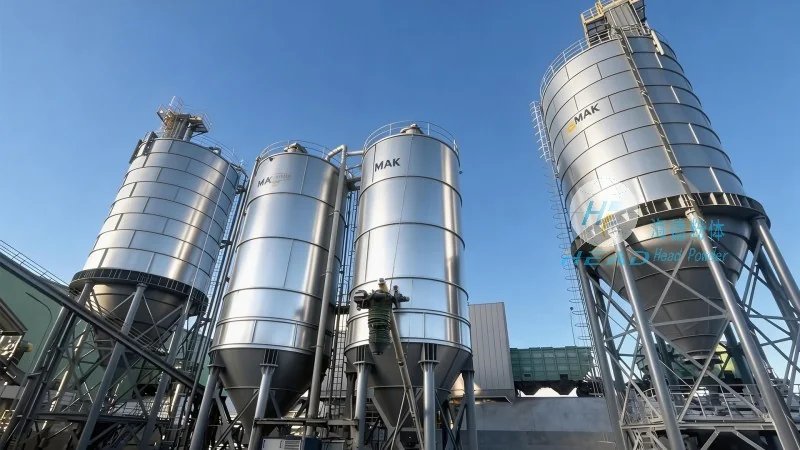
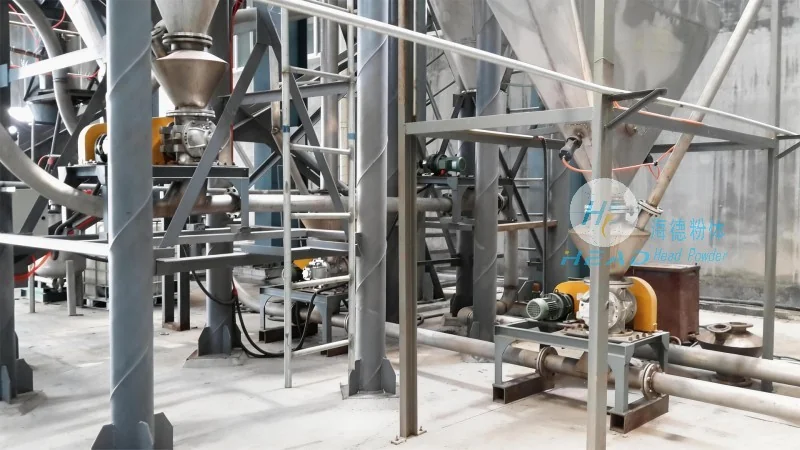
Understanding the Working Principle of Pneumatic Conveying Systems
The core of a coal and stone powder pneumatic conveying system lies in its ability to transport dry bulk materials using air as the primary driving force. The system operates by creating a pressure differential between the inlet and outlet of the conveying line. A blower or compressor generates high-pressure air, which is then introduced into the material feed point. The material is introduced into the air stream, either by being drawn into the pipeline (in suction mode) or by being pushed through the line (in pressure mode). As the air and material mixture moves through the pipeline, the air maintains the material in suspension, preventing clogging and ensuring smooth transport to the destination. The system typically includes components such as a hopper for material storage, a feeder to control the flow rate, a conveying line, and a receiver for the discharged material. The entire process is automated, allowing for continuous and unattended operation, which is essential for industrial settings where material handling is a constant requirement.
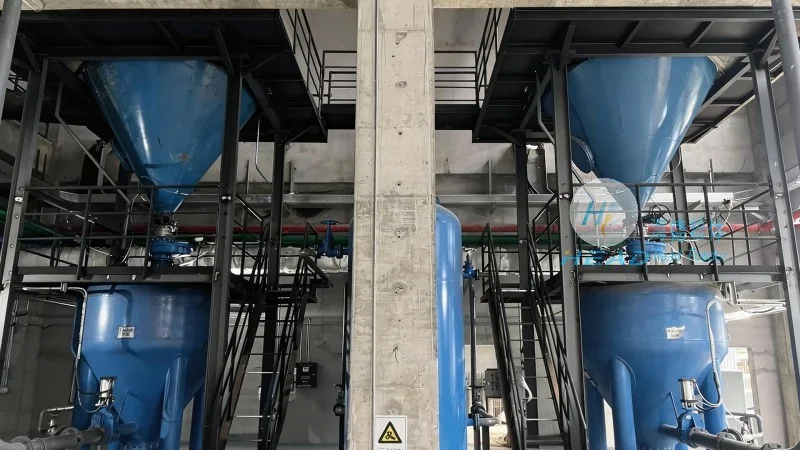
Key Features of Coal and Stone Powder Pneumatic Conveying Equipment
HeadPowder, a leading manufacturer based in Shandong, China, specializes in developing high-quality pneumatic conveying systems tailored to the needs of various industries. The equipment from HeadPowder is characterized by several notable features that set it apart in the market. Firstly, the systems are designed for high efficiency, ensuring minimal material loss and optimal throughput. The use of advanced materials and robust construction ensures durability and long service life, reducing maintenance costs over time. Secondly, the systems are highly flexible, capable of handling a wide range of particle sizes and densities, from fine powders to larger granules. This adaptability makes them suitable for diverse applications, including mining, power generation, and construction. Thirdly, the equipment is engineered with safety in mind. Features such as pressure relief valves, overheat protection, and material flow monitoring help prevent accidents and ensure compliance with industrial safety standards. Additionally, the systems are designed for easy integration into existing production lines, minimizing downtime during installation and operation. The user-friendly control panels and intuitive interfaces further enhance operational ease, allowing operators to manage the system efficiently without extensive training.
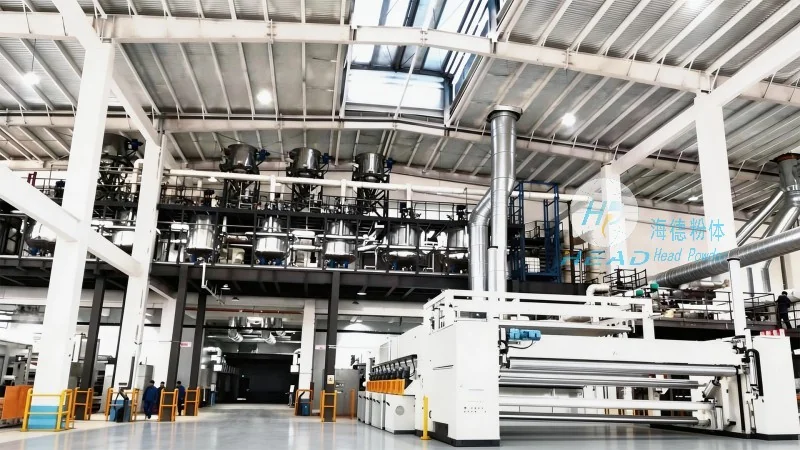
Benefits of Implementing Pneumatic Conveying Systems
Adopting a coal and stone powder pneumatic conveying system brings numerous benefits to industrial operations. The most significant advantage is the improvement in material handling efficiency. Unlike traditional methods like belt conveyors or bucket elevators, pneumatic systems offer a continuous, dust-free, and low-maintenance solution. This reduces the risk of material spillage and contamination, which is critical for maintaining product quality, especially in applications where purity is essential. The systems also contribute to enhanced workplace safety by eliminating the need for manual handling of bulk materials, thereby reducing the risk of injuries and accidents. Furthermore, the energy efficiency of modern pneumatic conveying systems is a notable advantage. Advanced blower designs and optimized air flow management reduce energy consumption, leading to lower operational costs and a smaller environmental footprint. The compact design of the equipment also allows for better space utilization in industrial facilities, making it suitable for both new installations and retrofitting existing plants. Overall, the implementation of these systems leads to increased productivity, reduced operational costs, and improved safety, making them a valuable investment for any industry dealing with bulk materials.