

Working Principle and Features of Food Pneumatic Conveying Lines
Food processing industries rely on efficient and hygienic material handling solutions to maintain product quality and operational efficiency. Among the various technologies available, food pneumatic conveying lines stand out as a versatile and effective method for transporting bulk materials like powders, granules, and other food products. This article explores the working principle and key features of such systems, highlighting their benefits and applications in the food industry.
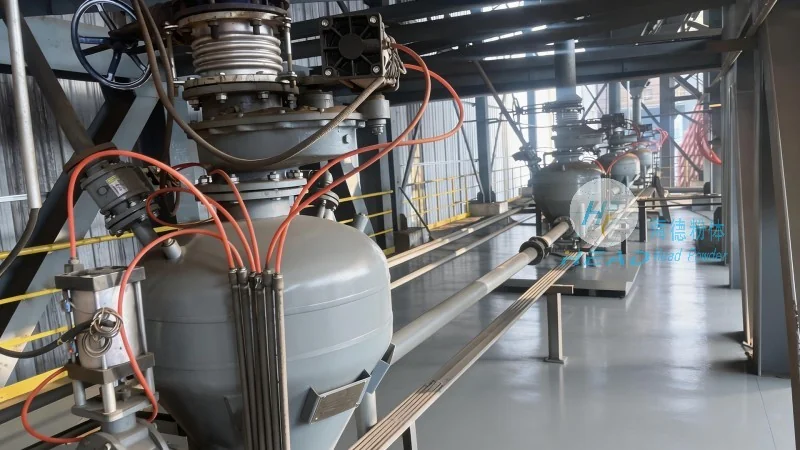
Understanding the Working Principle of Food Pneumatic Conveying Lines
Food pneumatic conveying lines operate on the principle of air movement to transport bulk materials. The system typically consists of a hopper, a conveyor line, and a receiver. The process begins when the material is fed into the hopper. A fan or blower then generates a flow of air, which is directed through the conveyor line. The air flow creates a pressure differential that propels the material particles forward. This method, known as dilute-phase or dense-phase conveying, depends on the air velocity and the material's properties to ensure smooth and controlled movement.
Key Features and Advantages of Food Pneumatic Conveying Systems
Food pneumatic conveying lines offer several advantages that make them ideal for food processing applications. First, they provide excellent hygiene and sanitation, as the system is enclosed, preventing contamination from external sources. The materials are transported in a closed environment, which is crucial for maintaining food safety standards. Additionally, these systems are highly efficient, capable of transporting materials over long distances with minimal energy consumption compared to traditional methods like belt conveyors or bucket elevators.
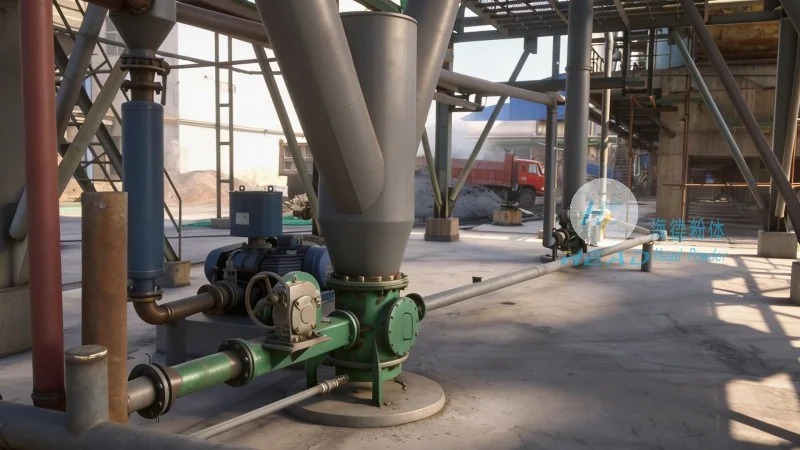
Hygienic Design and Material Compatibility
For food applications, the design of pneumatic conveying lines is critical. Components such as hoppers, pipes, and valves are constructed from food-grade materials like stainless steel, ensuring durability and resistance to corrosion and bacterial growth. The system is also designed with smooth surfaces and minimal dead zones to facilitate easy cleaning and maintenance. This hygienic design is essential for compliance with regulations like FDA and EU food safety standards.
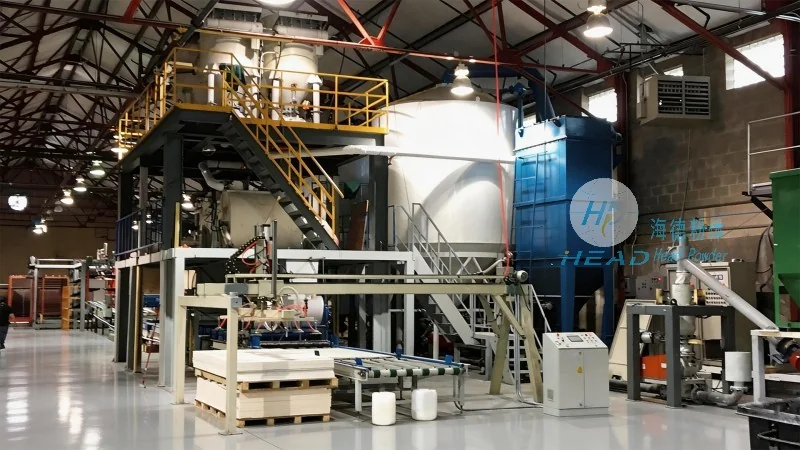
Customization and Scalability
Food pneumatic conveying systems can be customized to meet specific operational needs. They can be designed for different material types, such as fine powders, coarse granules, or even sticky materials. The system can also be scaled to handle varying production volumes, from small-scale operations to large industrial facilities. This flexibility allows food manufacturers to adapt the system to their changing production requirements without significant modifications.
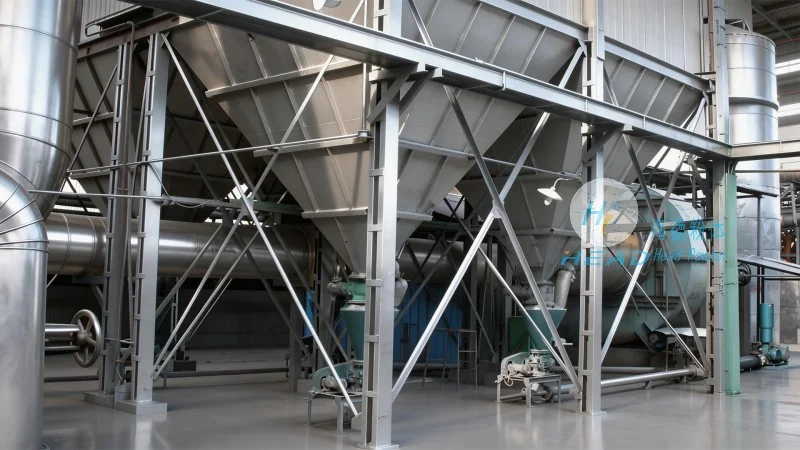
Applications in the Food Industry
Food pneumatic conveying lines are widely used in various food processing applications. They are commonly employed in the transport of ingredients like flour, sugar, and spices, as well as in the handling of finished products like snacks and cereals. The system is also used in the pharmaceutical and nutraceutical industries, where similar hygiene and efficiency requirements apply. By integrating these systems into their production lines, food manufacturers can improve workflow, reduce labor costs, and enhance overall product quality.
Conclusion and Company Overview
Food pneumatic conveying lines are a reliable and efficient solution for material handling in the food industry. Their ability to maintain hygiene, transport materials over long distances, and adapt to various production needs makes them a preferred choice for many food processing facilities. As a leading provider in this field, Shandong HeadPowder Engineering Co., Ltd. specializes in designing and manufacturing high-quality pneumatic conveying systems tailored to the specific needs of food manufacturers. With a focus on hygiene, efficiency, and durability, the company ensures that its products meet the stringent requirements of the food industry, helping businesses maintain operational excellence and product safety.