

What is a Lithium Hydroxide Material Pneumatic Conveying System? What Are Its Design Principles?
For industries dealing with lithium hydroxide, an efficient and reliable material handling solution is crucial. The lithium hydroxide material pneumatic conveying system emerges as a key technology that addresses the challenges of transporting this critical chemical compound. This article delves into the essence of such systems and explores the underlying design principles that make them effective in various industrial applications.
Understanding the Lithium Hydroxide Pneumatic Conveying System
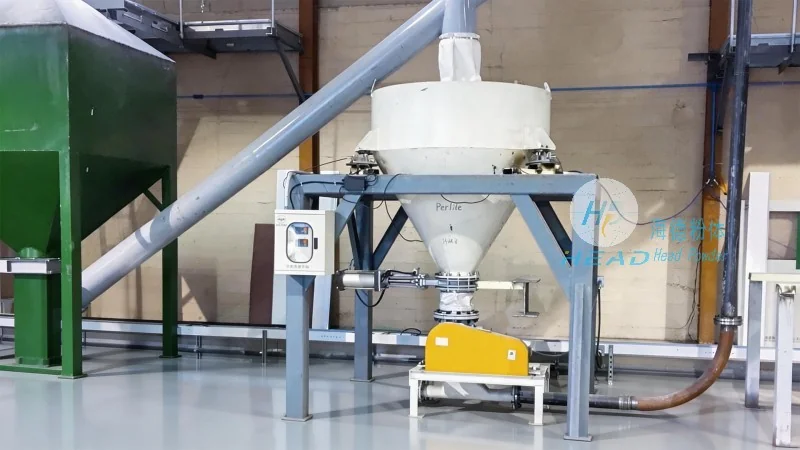
Lithium hydroxide (LiOH) is a vital chemical widely used in battery manufacturing, pharmaceuticals, and other high-tech industries. Its handling requires precision due to its reactivity and the need for contamination-free transport. The pneumatic conveying system offers a solution by using air or other gases to move the material from one location to another, eliminating the need for mechanical components like belts or buckets that might introduce friction or contamination.
HeadPowder: A Leading Provider of Material Handling Solutions
Shandong HeadPowder Engineering Co., Ltd., commonly known as HeadPowder, is a reputable company based in China specializing in the design, manufacturing, and installation of advanced material handling systems. With a strong focus on innovation and customer-centric solutions, HeadPowder has established itself as a trusted partner for industries seeking efficient and safe transportation of bulk materials, including lithium hydroxide.
The Core Design Principles of Pneumatic Conveying Systems
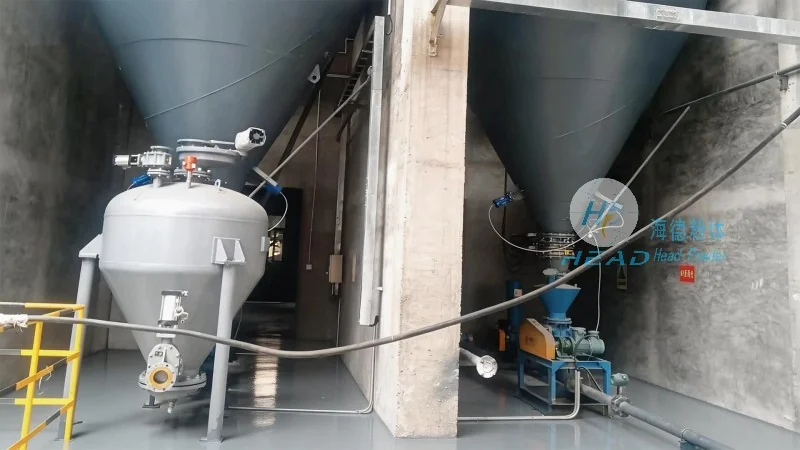
The design of a lithium hydroxide pneumatic conveying system is based on several fundamental principles that ensure optimal performance and safety. The primary principle is the use of differential pressure to move the material through a pipeline. By creating a pressure difference between the inlet and outlet, the system propels the material using air or gas as the conveying medium. This approach minimizes material degradation and ensures a clean, dust-free transfer process.
Another critical design principle is the selection of appropriate equipment components. The system typically includes a hopper for material storage, a feeder to control the flow rate, a compressor or blower to generate the necessary air pressure, and a pipeline network that connects the source and destination points. The choice of materials for these components is crucial, as lithium hydroxide can be corrosive or reactive. HeadPowder employs high-quality, corrosion-resistant materials, such as stainless steel, to ensure durability and longevity of the system.
Key Components and Their Functions
Each component of the pneumatic conveying system plays a vital role in the overall operation. The hopper serves as the storage container, providing a consistent supply of lithium hydroxide to the feeder. The feeder, often a rotary or vibratory type, regulates the material flow into the pipeline, preventing overloading and ensuring a steady stream. The compressor or blower generates the air pressure required to move the material, with the pressure level determined by the material's properties and the system's length.
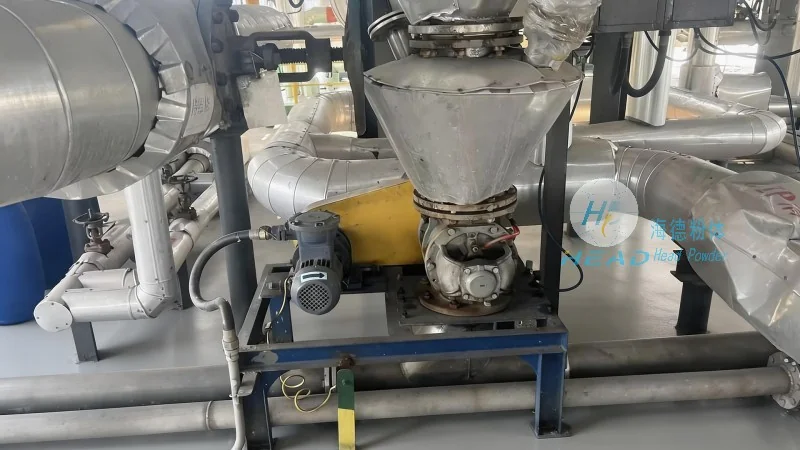
The pipeline network, usually made of stainless steel or other corrosion-resistant materials, transports the material from the source to the destination. The design of the pipeline, including the use of bends, elbows, and filters, is critical to maintain the material's integrity and prevent blockages. Filters are essential to remove any dust or particles that may accumulate in the system, ensuring a clean and efficient operation. The system may also include a receiver or silo at the destination to collect the material, completing the transport process.
Advantages of Using a Pneumatic Conveying System for Lithium Hydroxide
Implementing a pneumatic conveying system for lithium hydroxide offers several advantages over traditional mechanical methods. First, it provides a dust-free and contamination-free environment, which is essential for maintaining the purity of the material, especially in battery manufacturing where even minor impurities can affect performance. Second, the system is highly efficient, with minimal energy consumption compared to other bulk handling methods. Third, it allows for flexible and scalable solutions, as the system can be easily expanded or modified to accommodate changing production needs.
Additionally, the pneumatic conveying system enhances safety by eliminating the need for manual handling of bulk materials, reducing the risk of accidents and exposure to hazardous substances. The enclosed pipeline design also prevents dust from spreading into the environment, contributing to a safer workplace. HeadPowder's expertise in designing customized systems ensures that these advantages are maximized, tailored to the specific requirements of each client.
Application Scenarios and Industry Impact
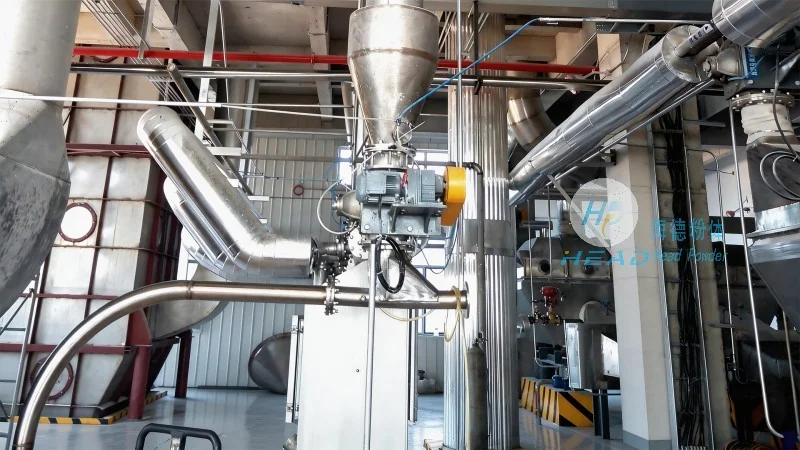
The lithium hydroxide pneumatic conveying system is widely used in various industries, particularly in the battery sector, where lithium hydroxide is a key component in lithium-ion batteries. The system efficiently transports the material from storage facilities to production lines, ensuring a smooth and continuous supply chain. In pharmaceutical applications, the system maintains the purity of lithium hydroxide, which is used in the formulation of drugs, while adhering to stringent quality standards.
The adoption of such systems has a positive impact on operational efficiency and cost reduction. By reducing downtime and maintenance costs associated with mechanical handling equipment, industries can improve their overall productivity. HeadPowder's commitment to quality and innovation has enabled them to deliver systems that meet the evolving needs of the market, supporting the growth of industries reliant on lithium hydroxide.