

What is a Buckwheat Hull Material Pneumatic Conveying System? And What Are Its Design Principles?
For those in the agricultural or processing industries, especially those dealing with bulk materials like buckwheat hulls, understanding efficient material handling systems is crucial. A buckwheat hull material pneumatic conveying system represents a sophisticated solution designed to transport these materials with precision and reliability. This article will explore what such a system entails and delve into the core design principles that make it effective.
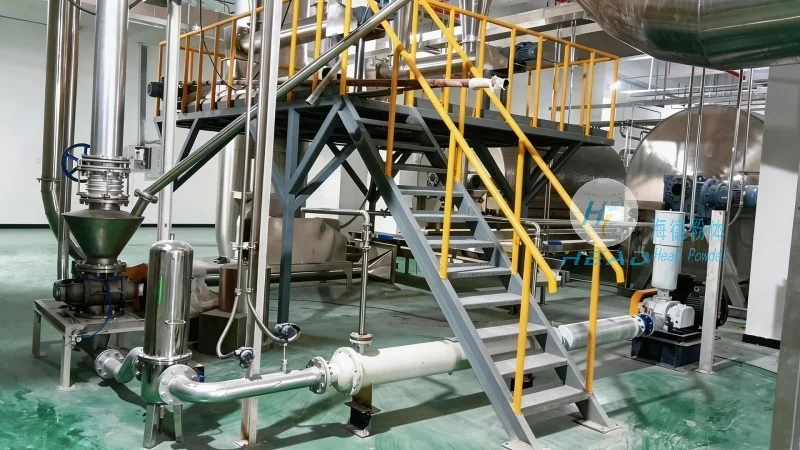
Introduction to Buckwheat Hull Material Pneumatic Conveying Systems
A buckwheat hull material pneumatic conveying system is a specialized type of pneumatic conveying equipment used to transport bulk materials, particularly the hulls of buckwheat, from one location to another within a processing facility. Unlike traditional mechanical conveyors, which rely on belts or chains, pneumatic systems use air pressure to move materials through a pipeline. This method offers several advantages, including the ability to handle fine or dusty materials without the need for additional equipment like hoppers or chutes.
Key Components of the System
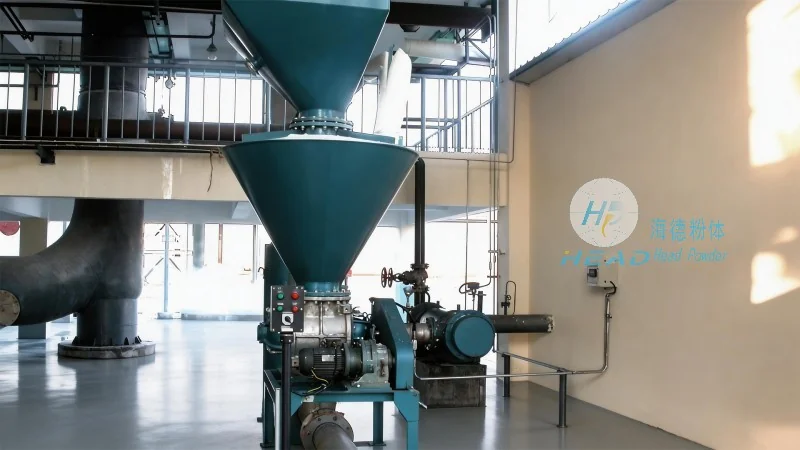
The effectiveness of a buckwheat hull material pneumatic conveying system depends on its key components, each playing a critical role in the material transport process. The primary components include the material feed hopper, the air compressor or blower, the conveying pipeline, the control valves, and the discharge hopper. The feed hopper is responsible for storing and feeding the buckwheat hulls into the system. The air compressor generates the necessary air pressure to move the material through the pipeline. The conveying pipeline, typically made of stainless steel or other corrosion-resistant materials, ensures the material is transported efficiently. Control valves regulate the air flow and material movement, while the discharge hopper collects the material at the destination point.
Design Principles for Optimal Performance
The design principles of a buckwheat hull material pneumatic conveying system are centered around maximizing efficiency, minimizing material degradation, and ensuring system reliability. One of the fundamental principles is the selection of appropriate air velocity. The air velocity must be high enough to overcome the gravitational forces acting on the material particles but low enough to prevent excessive wear on the pipeline and components. For buckwheat hulls, which are typically lightweight and have a relatively low bulk density, an air velocity of 20-30 meters per second is often optimal. This velocity ensures that the hulls are fully suspended in the air stream, preventing blockages and ensuring smooth transport.
Another critical design principle is the system's pressure drop. The pressure drop across the pipeline and components must be minimized to reduce energy consumption and prevent excessive wear on the air compressor. This is achieved by using smooth, well-designed pipelines with minimal bends and fittings. The use of straight sections and gradual bends also helps to maintain the air flow and prevent turbulence, which can lead to material deposition or system inefficiencies. Additionally, the system's design considers the material's physical properties, such as its particle size, shape, and moisture content. These factors influence the air velocity required and the type of conveying line (e.g., positive or negative pressure systems). For buckwheat hulls, which are relatively fine and have a tendency to agglomerate, a positive pressure system is often preferred, as it provides better control over the material flow and reduces the risk of blockages.
Benefits of Using a Pneumatic Conveying System for Buckwheat Hulls
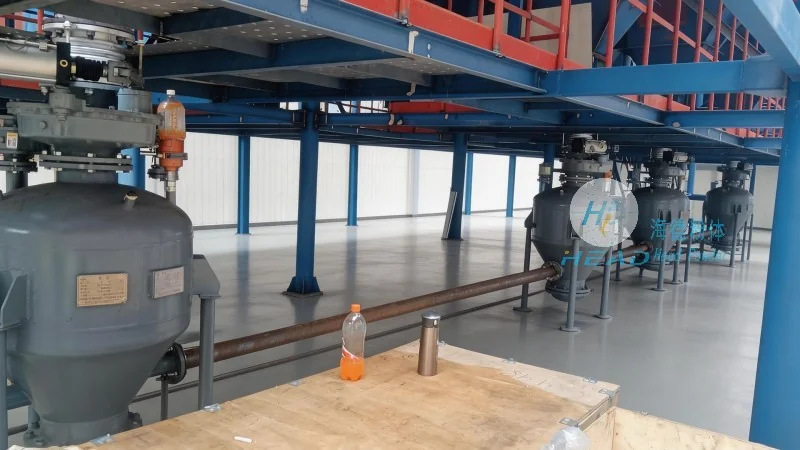
Implementing a buckwheat hull material pneumatic conveying system offers several benefits that enhance operational efficiency and product quality. First, it provides a clean and hygienic method of material transport, which is essential for food processing applications. Unlike mechanical conveyors, which can introduce contaminants or cause material contamination, pneumatic systems keep the material enclosed within the pipeline, reducing the risk of cross-contamination. Second, the system allows for flexible and space-saving installation. The pipeline can be routed around obstacles and installed in vertical or horizontal configurations, making it suitable for facilities with limited space. Third, it offers high material throughput with minimal maintenance. The absence of moving parts like belts or chains reduces the need for frequent maintenance, resulting in lower operational costs and increased system uptime. Finally, the system can be integrated with other processing equipment, such as classifiers or separators, to create a seamless material handling process.
Applications in the Buckwheat Processing Industry
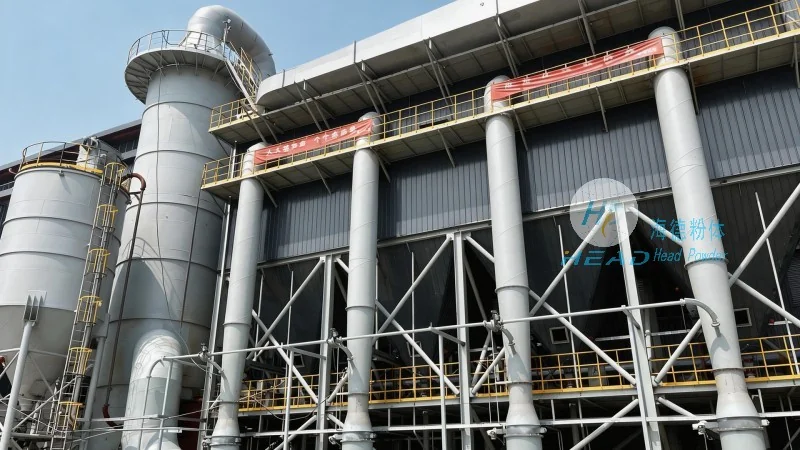
Buckwheat hull material pneumatic conveying systems are widely used in the buckwheat processing industry for various applications. One common application is the transport of hulls from the cleaning and sorting stages to the storage silos or processing units. This ensures that the hulls are handled gently and efficiently, preventing damage that could affect their quality or usability. Another application is the transfer of hulls to downstream processing equipment, such as grinding or milling machines, where they may be used as a raw material for other products or as a byproduct for animal feed. The system's ability to handle fine particles and maintain consistent flow rates makes it ideal for these applications. Additionally, the system can be used in quality control processes, where the hulls are sampled and analyzed for moisture content or other quality parameters. The consistent and controlled transport of the material ensures that the test results are accurate and reliable.
Conclusion
In conclusion, a buckwheat hull material pneumatic conveying system is a vital piece of equipment for the efficient handling of buckwheat hulls in processing facilities. Its design, based on principles of air velocity, pressure drop, and material properties, ensures optimal performance and reliability. The system offers numerous benefits, including clean material transport, flexible installation, and low maintenance requirements. As the demand for buckwheat products continues to grow, the use of such systems will become increasingly important in ensuring the quality and efficiency of buckwheat processing operations. For businesses looking to enhance their material handling capabilities, investing in a well-designed pneumatic conveying system is a strategic decision that can lead to improved productivity and profitability.