

What is a Lithium Carbonate Material Pneumatic Conveying System? And What Are Its Design Principles?
Lithium carbonate, a vital component in the production of lithium-ion batteries, necessitates efficient and reliable handling systems for its transportation from manufacturing sites to processing facilities. Pneumatic conveying systems provide a solution that integrates material transport with air flow, offering a flexible and often cost-effective method for moving bulk materials such as lithium carbonate. This article delves into the fundamental aspects of these systems, focusing on their design principles and operational benefits.
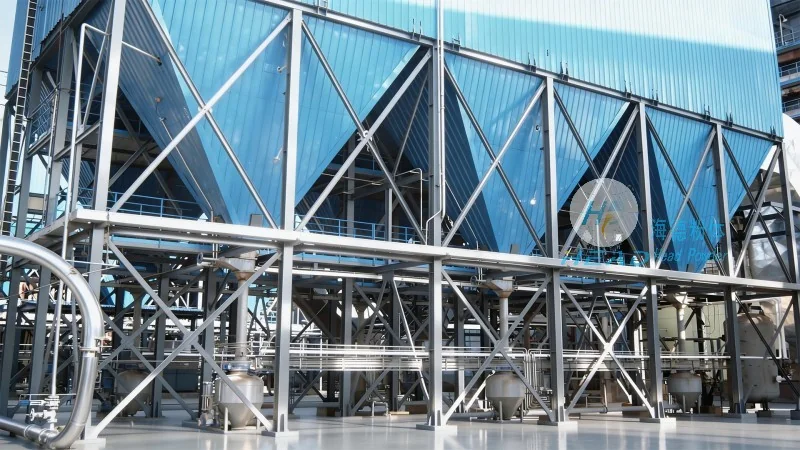
Core Components and Functionality of Pneumatic Conveying Systems
The primary components of a pneumatic conveying system for lithium carbonate include a material hopper, a feeder, a conveying line (typically equipped with a venturi or rotary valve), and a receiver or collection unit. The system operates by introducing air or gas into the conveying line, which creates a flow that lifts and transports the material particles. The feeder regulates the rate of material discharge from the hopper, ensuring a consistent flow rate that matches the system's capacity. The venturi or rotary valve controls air pressure and flow, optimizing conveying efficiency while minimizing pressure drops and material degradation.
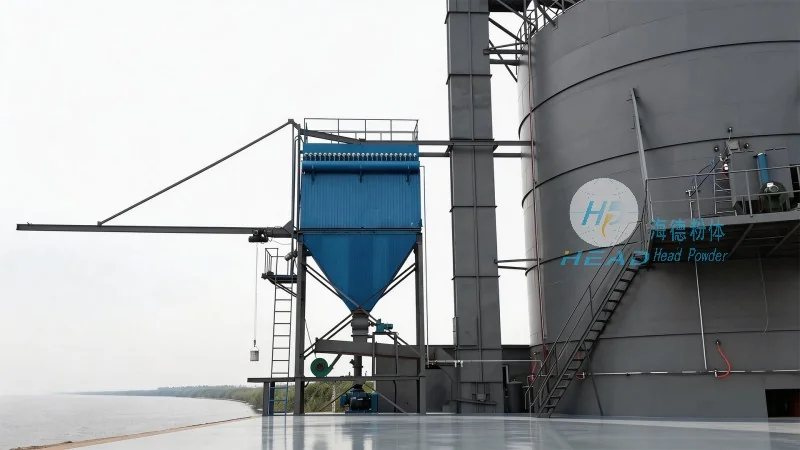
Design Principles for Efficient Lithium Carbonate Conveying
Designing an effective pneumatic conveying system for lithium carbonate involves several key principles aimed at maximizing efficiency, minimizing energy consumption, and preserving material integrity. First, the system must be sized to accommodate the specific flow rate and particle size distribution of the lithium carbonate being transported. Particle size is a critical factor, as larger particles may require higher air velocities to maintain suspension and prevent blockages. The conveying line diameter and length are also carefully calculated to balance pressure requirements with the available air supply. Additionally, the system incorporates features such as air filtration and moisture control to prevent material contamination and degradation, which is essential for maintaining the quality of lithium carbonate used in battery manufacturing.
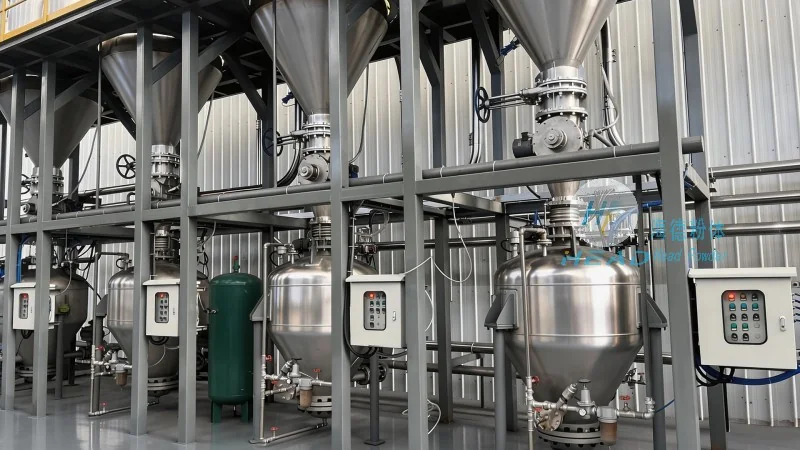
Operational Considerations and Maintenance
Operational efficiency of a pneumatic conveying system for lithium carbonate depends on regular maintenance and proper system monitoring. Filters must be cleaned or replaced regularly to prevent clogging, which can lead to pressure drops and system downtime. The feeder and hopper should be designed to prevent material bridging or segregation, ensuring a uniform flow of material. Additionally, the system's air compressors and control valves need periodic inspection to maintain optimal performance. By adhering to these operational guidelines, the system can achieve high reliability and long service life, supporting continuous production in lithium battery manufacturing facilities.
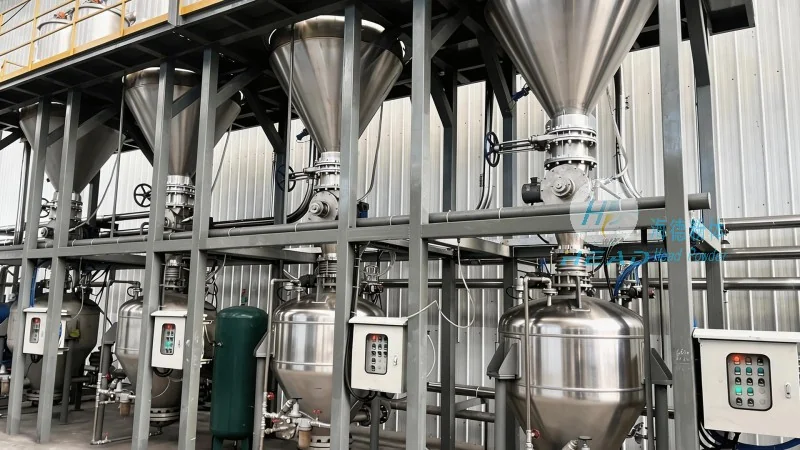
About HeadPowder Engineering
HeadPowder Engineering, a leading provider of engineering solutions for material handling systems, specializes in designing and manufacturing pneumatic conveying equipment tailored to the needs of the lithium industry. With a focus on innovation and customer satisfaction, HeadPowder offers customized solutions that enhance the efficiency and safety of material transport processes. HeadPowder's expertise in pneumatic conveying technology ensures that their systems are optimized for handling lithium carbonate and other similar bulk materials, meeting the stringent requirements of modern battery production. HeadPowder Engineering is committed to delivering high-quality, reliable equipment that contributes to the success of its clients in the competitive lithium battery market.