

What is a Plastic Powder Material Pneumatic Conveying System? And What Are Its Design Principles?
Plastic powder material pneumatic conveying systems are advanced industrial solutions designed to transport plastic powders and granules efficiently and safely. These systems utilize air or gas as the conveying medium to move bulk materials from one location to another, eliminating the need for traditional mechanical conveyors like screw conveyors or belt conveyors. The core components of such systems typically include a hopper for material storage, a blower or compressor to generate airflow, a pipeline network to direct the material flow, and a receiver or discharge point for the material. By leveraging the principles of fluidization and pneumatic transport, these systems offer advantages like reduced contamination, improved material handling, and enhanced process control.

Company Overview: Shandong HeadPowder Engineering Co., Ltd.
HeadPowder, a leading manufacturer in the field of material handling equipment, specializes in the design, development, and production of high-quality plastic powder pneumatic conveying systems. With a strong commitment to innovation and customer satisfaction, the company has established itself as a trusted partner for industries requiring reliable and efficient material transport solutions. HeadPowder's team of experienced engineers and technicians leverages advanced technology and rigorous quality control processes to ensure that each system meets the specific needs of its clients. The company's headquarters is located in Shandong, China, where it operates a state-of-the-art manufacturing facility equipped with the latest equipment and technology.
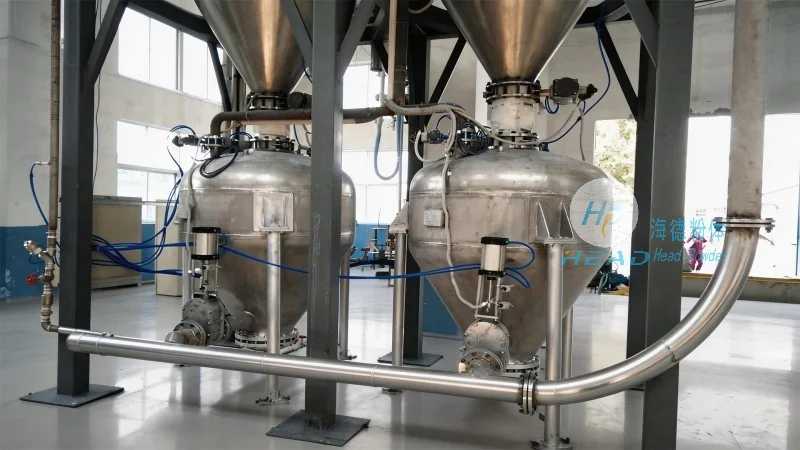
Key Components of a Pneumatic Conveying System
A typical plastic powder pneumatic conveying system consists of several critical components that work in harmony to achieve effective material transport. The first component is the material hopper, which stores the plastic powder and provides a controlled feed to the system. The hopper is often equipped with a feeder, such as a rotary valve or a vibratory feeder, to regulate the flow of material into the pipeline. The second key component is the air supply unit, which generates the necessary airflow to move the material. This unit can be a positive displacement blower or a centrifugal fan, depending on the system's requirements. The third component is the pipeline network, which includes the main pipeline and any branch lines or fittings needed to direct the material to the discharge point. The pipeline is usually made of materials like stainless steel or PVC to prevent corrosion and material contamination. The final component is the receiver or discharge unit, which collects the material at the end of the pipeline and discharges it into a storage bin or processing equipment.
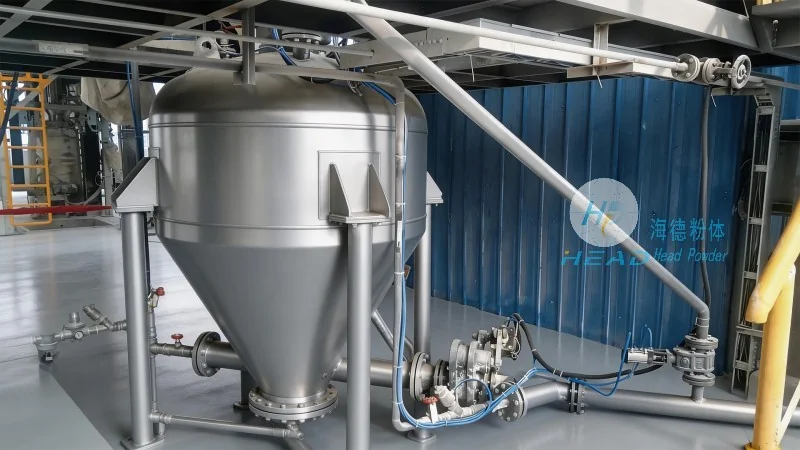
Design Principles of Pneumatic Conveying Systems
The design of a plastic powder pneumatic conveying system is based on several fundamental principles that ensure optimal performance and efficiency. The first principle is the selection of the appropriate conveying velocity, which is the speed at which the material is transported through the pipeline. The conveying velocity must be high enough to keep the material suspended in the air stream but low enough to prevent excessive pressure drop and energy consumption. The second principle is the calculation of the pressure drop along the pipeline, which is the reduction in pressure as the material flows through the system. The pressure drop is influenced by factors such as the material's density, the pipeline's diameter and length, and the number of fittings and bends. The third principle is the determination of the required air volume and pressure, which are essential for maintaining the conveying velocity and overcoming the pressure drop. These parameters are calculated based on the material's properties, the system's layout, and the desired discharge rate. The fourth principle is the consideration of material characteristics, such as particle size, shape, and moisture content, which affect the system's performance and design. For example, fine powders may require higher conveying velocities and more efficient air distribution to prevent clogging or deposition in the pipeline.
Advantages of Plastic Powder Pneumatic Conveying Systems
Plastic powder pneumatic conveying systems offer several advantages over traditional mechanical conveyors, making them a preferred choice for many industries. One of the main advantages is the ability to transport materials in a closed system, which prevents contamination from external sources and reduces dust emissions. This is particularly important for plastic powders, which are often sensitive to moisture and other contaminants. Another advantage is the flexibility of the system, as it can be easily modified or expanded to accommodate changes in production requirements. The system can also be integrated with other processing equipment, such as mixers or extruders, to create a seamless material handling process. Additionally, pneumatic conveying systems are more energy-efficient than mechanical conveyors, as they require less power to operate and can handle longer distances without significant pressure loss. Finally, the system is more reliable and requires less maintenance, as there are fewer moving parts and less wear and tear compared to traditional conveyors.
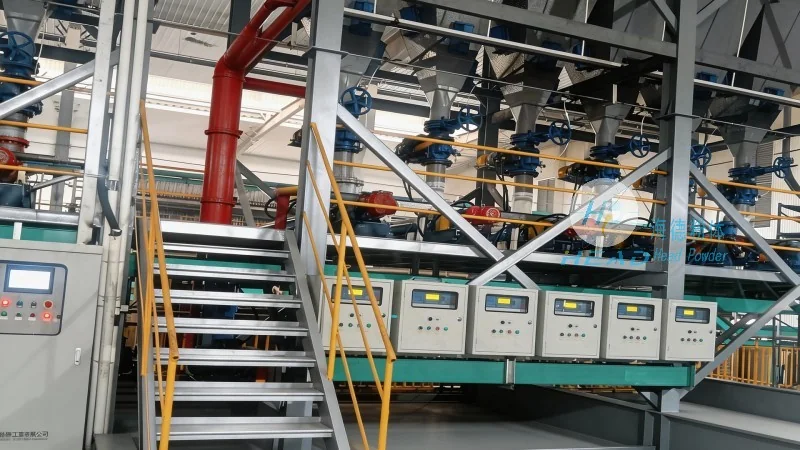
Applications of Pneumatic Conveying Systems in the Plastic Industry
Plastic powder pneumatic conveying systems are widely used in various applications within the plastic industry. One common application is the transport of raw materials, such as polyethylene, polypropylene, and polystyrene, from storage silos to processing equipment. The system can also be used to transport finished products, such as plastic pellets or flakes, from the production line to storage or packaging areas. Another application is the handling of additives and colorants, which are often added to the plastic melt during the processing stage. The system can transport these materials in a controlled manner, ensuring uniform mixing and consistent product quality. Additionally, pneumatic conveying systems are used in recycling operations, where plastic waste is processed and converted into new materials. The system can transport the recycled plastic from the sorting and washing stages to the extrusion or molding equipment. Overall, the versatility and efficiency of plastic powder pneumatic conveying systems make them an essential component of modern plastic manufacturing processes.