

What is a Dust Material Pneumatic Conveying System? What are the Design Principles?
For industrial applications that require the efficient and safe transport of dust and powdery materials, pneumatic conveying systems offer a reliable solution. These systems utilize air or gas to move particulate materials from one location to another, eliminating the need for mechanical components like belts or buckets that can be prone to wear and tear. The design of such systems is critical to ensure optimal performance, minimal material loss, and compliance with safety standards. Shandong HeadPowder Engineering Co., Ltd., a leading manufacturer of bulk material handling equipment, specializes in the design and fabrication of pneumatic conveying systems tailored to the specific needs of various industries.
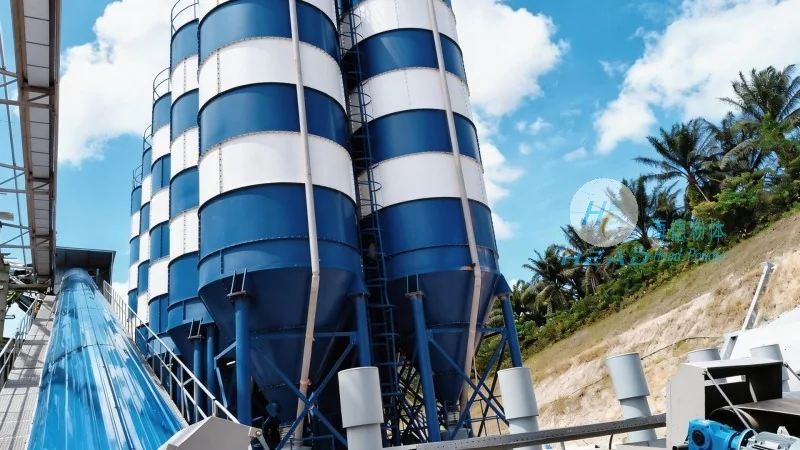
Understanding Dust Material Pneumatic Conveying Systems
A dust material pneumatic conveying system is a type of bulk material handling equipment that uses compressed air or other gases to transport dry, fine particles. Unlike traditional mechanical conveyors, which rely on physical contact between the material and the conveyor, pneumatic systems rely on the force of the moving air to carry the material through a pipeline. This method is particularly effective for materials that are abrasive, corrosive, or sensitive to moisture, as it minimizes direct contact and reduces the risk of contamination.
Key Components of a Pneumatic Conveying System
The core components of a pneumatic conveying system include the material feed hopper, the air compressor or blower, the conveying pipeline, the control valves, and the discharge receiver. The feed hopper is designed to store and meter the material into the system, ensuring a consistent flow rate. The air compressor provides the necessary pressure to move the material through the pipeline, while the control valves regulate the air flow and pressure to maintain system stability. The pipeline itself is typically made of materials like stainless steel or plastic, chosen for their resistance to corrosion and wear from the transported material. The discharge receiver collects the material at the end of the pipeline, allowing it to be discharged into a storage bin or processing unit.
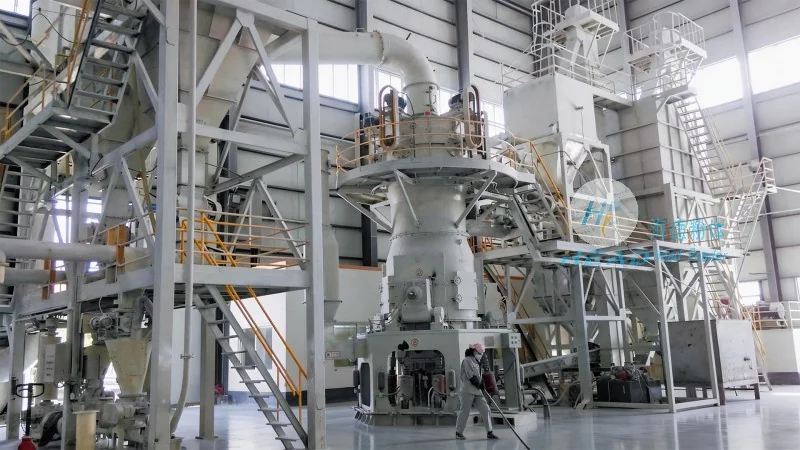
Design Principles for Optimal Performance
The design of a pneumatic conveying system involves several key principles to ensure efficiency and reliability. First, the system must be sized to handle the required material flow rate and pressure drop. This involves calculating the air velocity and pressure required to move the material through the pipeline without causing excessive wear or material degradation. Second, the system must be designed to minimize material separation and segregation, which can occur if the material is not uniformly mixed with the air. This is achieved through the use of appropriate hopper designs, such as conical or wedge-shaped hoppers, and the incorporation of mixing elements like static mixers or agitators.
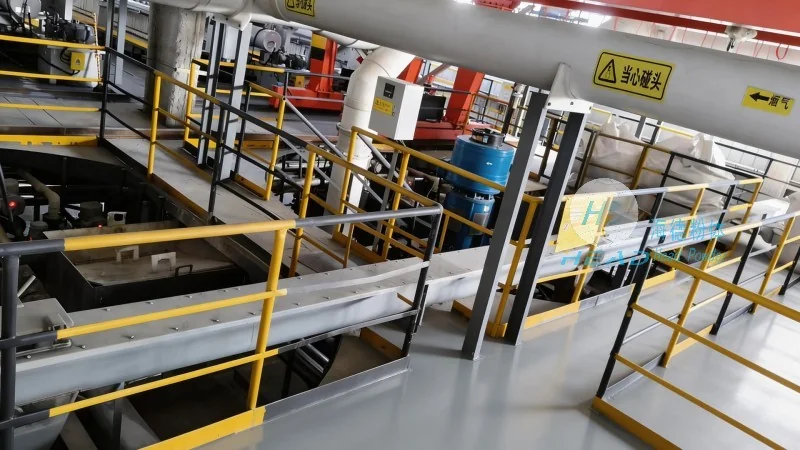
Considerations for Material Properties
When designing a pneumatic conveying system, the properties of the material being transported are of paramount importance. The particle size, density, and moisture content of the material will affect the air velocity and pressure required for effective transport. For example, fine particles may require higher air velocities to prevent settling or clogging in the pipeline, while larger or heavier particles may need lower velocities to avoid excessive wear on the pipeline walls. Additionally, the material's flowability and cohesive properties will influence the design of the feed hopper and the need for auxiliary equipment like vibrators or feeders to ensure consistent material flow.
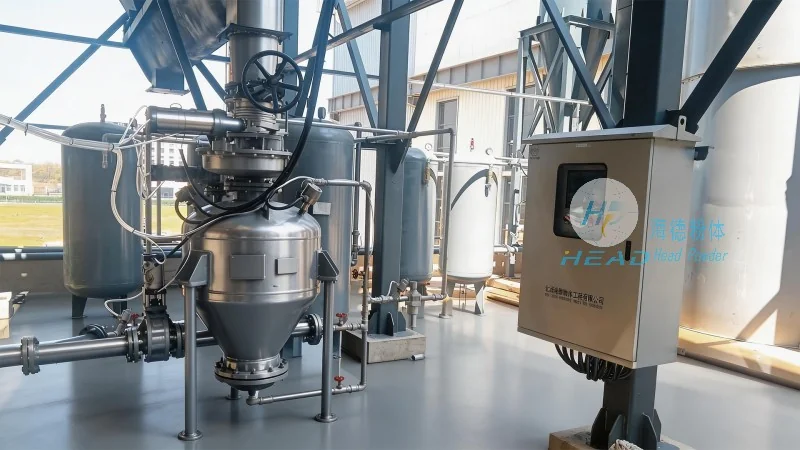
System Sizing and Pressure Drop Calculations
Accurate system sizing is crucial for the efficient operation of a pneumatic conveying system. This involves calculating the pressure drop across the pipeline, which is a function of the air velocity, material properties, and pipeline diameter. The pressure drop is typically calculated using empirical formulas or software tools that take into account factors such as the Reynolds number, the friction factor, and the material's particle size distribution. The air compressor or blower must be sized to provide sufficient pressure to overcome the total pressure drop in the system, including the pressure drop across the feed hopper, control valves, and discharge receiver. Proper sizing ensures that the system operates at the optimal air velocity, minimizing energy consumption and maximizing material throughput.
Control and Monitoring Systems
Modern pneumatic conveying systems often incorporate advanced control and monitoring systems to ensure stable and efficient operation. These systems may include pressure sensors, flow meters, and level indicators that provide real-time data on system performance. The control system can adjust the air flow and pressure based on the material feed rate or pipeline pressure, preventing overloading or underloading of the system. Additionally, the system may include safety features such as pressure relief valves and emergency shut-off valves to protect against overpressure or other hazards. The use of automation and digital control systems not only improves system performance but also reduces the need for manual intervention, minimizing the risk of human error.