

What is a Powder Tank Truck Material Pneumatic Conveying System? What are the Design Principles?
A powder tank truck material pneumatic conveying system is an efficient and flexible industrial material handling solution designed for transporting dry powders, granules, or other friable materials. The system utilizes compressed air or inert gases to move material from a powder tank truck to a destination such as a factory, warehouse, or production line. Compared to traditional mechanical conveying methods, pneumatic conveying systems offer significant advantages when handling sensitive materials, reducing issues like material breakage, contamination, and loss.
System Components and Core Elements
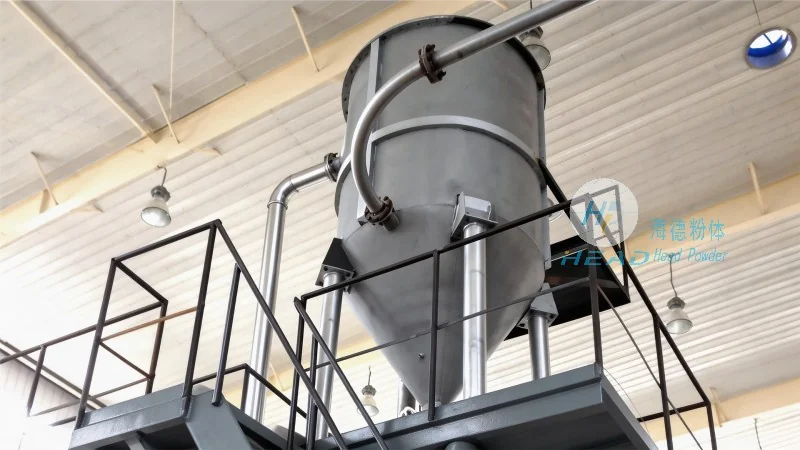
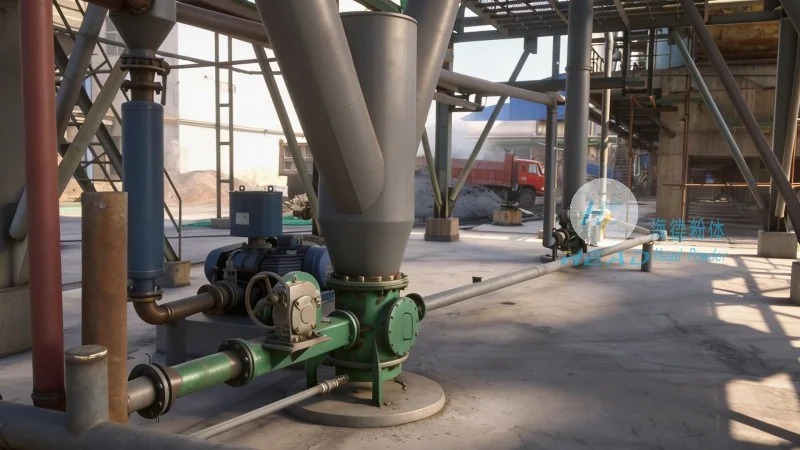
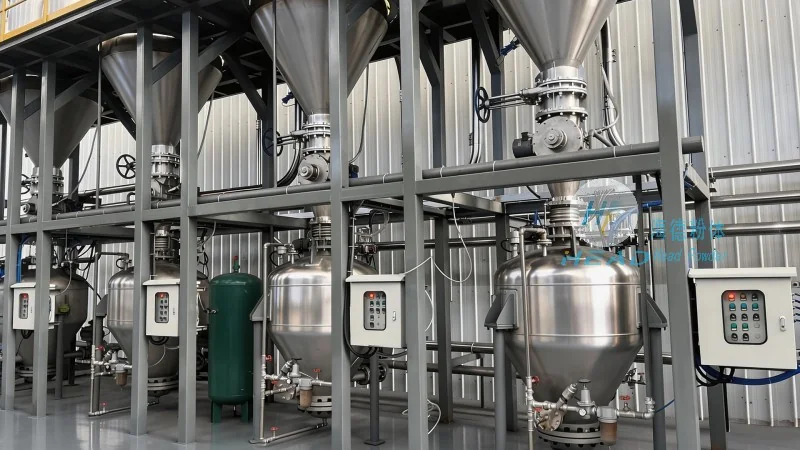
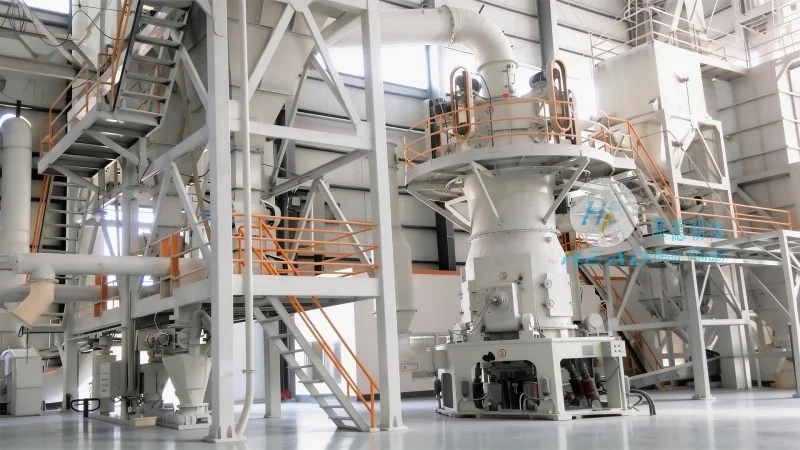
The powder tank truck material pneumatic conveying system consists of several key components to ensure smooth material flow from loading to unloading. First, the powder tank truck itself is the core storage unit, typically designed as a pressure-resistant, leak-proof container for safe storage of large quantities of material. Next, the conveying pipeline system connects the tank truck to the discharge point, often made of stainless steel or specialized plastic to accommodate different material chemical properties. Additionally, the system includes air source equipment, such as air compressors or vacuum pumps, to provide the necessary pressure or vacuum to drive material flow. Control valves and sensors are another critical part, used to regulate airflow, monitor pressure and flow, ensuring stable system operation. Finally, the discharge equipment, like cyclone separators or bag filters, separates material from the air stream at the discharge point and collects it into a designated container.
Design Principles and Operational Workflow
The design principle of a powder tank truck material pneumatic conveying system is based on fluid dynamics and material characteristics. The system typically operates in either positive pressure or negative pressure modes. Positive pressure conveying uses compressed air to push material from the tank truck into the pipeline, suitable for short to medium-distance transport and handling high-concentration materials. Negative pressure conveying employs a vacuum pump to create a negative pressure in the pipeline, drawing material from the tank truck into the pipeline, ideal for long-distance or multi-point collection scenarios. Regardless of the mode, the system's workflow includes steps like material loading, air source activation, conveying, discharge, and air recovery. In a positive pressure system, the air compressor is started, compressing air into the tank truck to push material through the pipeline to the discharge point, where it is separated and collected. In a negative pressure system, the vacuum pump starts, creating a negative pressure in the pipeline to draw material from the tank truck into the pipeline, finally separating it at the discharge point. Design considerations include material density, flowability, particle size, and transport distance to determine appropriate conveying speed, pipeline diameter, and pressure parameters. Additionally, the system may be equipped with gas-solid separation equipment, such as cyclone separators or bag filters, to recover material that may escape with the air stream during transport, improving material utilization and reducing environmental impact.