

What is a Fly Ash Silo Material Pneumatic Conveying System? And What Are Its Design Principles?
For industrial facilities dealing with fly ash, an efficient and reliable material handling system is crucial. A fly ash silo material pneumatic conveying system is a specialized solution designed to transport fly ash from storage silos to processing or disposal locations. This system leverages the principles of pneumatic conveying, where material is transported through a pipeline using air or gas as the conveying medium. The technology is widely adopted in power plants, cement factories, and other industrial sectors due to its ability to handle bulk materials like fly ash with minimal maintenance and operational complexity.
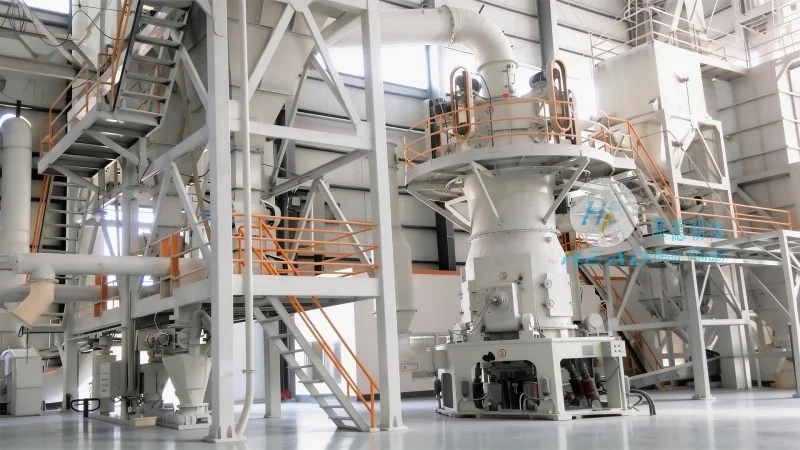
Components of a Fly Ash Silo Material Pneumatic Conveying System
The system consists of several key components that work in tandem to ensure smooth operation. The primary components include the fly ash silo, a feeder unit, a conveying pipeline, a control system, and a discharge point. The fly ash silo serves as the storage container, typically made of steel or concrete, with a capacity ranging from several hundred to thousands of tons. The feeder unit, often a rotary valve or a screw feeder, regulates the flow of fly ash from the silo into the conveying pipeline. The conveying pipeline is usually made of stainless steel or plastic, designed to withstand the abrasive nature of fly ash and the pressure of the conveying air. The control system monitors and adjusts the air pressure, flow rate, and material feed rate to maintain optimal performance. The discharge point can be a processing unit, a storage hopper, or a disposal site, depending on the application.
Design Principles of the Pneumatic Conveying System
The design of a fly ash silo material pneumatic conveying system is based on several fundamental principles to ensure efficiency and reliability. The first principle is the selection of the appropriate conveying velocity. The velocity of the air or gas in the pipeline must be sufficient to lift and transport the fly ash particles without causing excessive wear on the pipeline or equipment. Typically, the conveying velocity is determined based on the particle size, density, and moisture content of the fly ash. A higher velocity is required for larger or denser particles to prevent blockages. The second principle is the calculation of the air volume and pressure. The air volume is calculated based on the material flow rate and the conveying velocity, while the pressure is determined by the length of the pipeline, the number of bends, and the elevation changes. Proper calculation of these parameters is critical to avoid under-conveying or over-conveying, which can lead to system inefficiencies or equipment damage. The third principle is the consideration of material properties. The system design must account for the abrasive nature of fly ash, which can cause wear on the silo walls, feeder components, and pipeline. Materials such as stainless steel or wear-resistant coatings are often used to mitigate this issue. Additionally, the moisture content of the fly ash is important, as high moisture can lead to caking or blockages in the system. The design may include drying or conditioning steps to manage moisture levels.
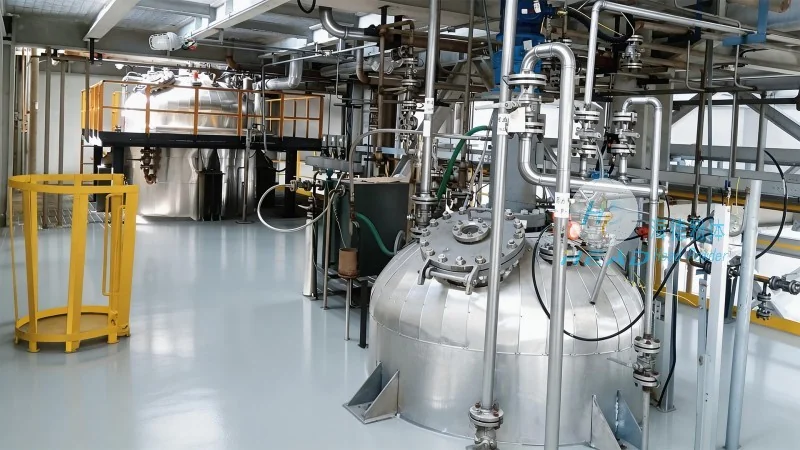
Operational Advantages of the System
Implementing a fly ash silo material pneumatic conveying system offers several operational advantages for industrial facilities. One of the key benefits is the reduction in labor costs and manual handling. The system automates the process of transporting fly ash, eliminating the need for manual loading or unloading, which reduces the risk of accidents and improves worker safety. Another advantage is the improved material handling efficiency. The system can transport fly ash over long distances with minimal loss, ensuring consistent material flow to processing units. This leads to increased productivity and reduced downtime. The system also provides better control over the material flow, allowing for precise regulation of the feed rate to match the processing capacity. This flexibility is particularly valuable in facilities that handle varying quantities of fly ash. Furthermore, the system is relatively compact and can be integrated into existing industrial layouts, minimizing the need for additional space or infrastructure modifications. The use of pneumatic conveying also reduces the environmental impact by containing dust and preventing the release of fly ash into the environment, which is in line with environmental regulations and sustainability goals.

Application Examples and Case Studies
The fly ash silo material pneumatic conveying system is widely used in various industrial applications. For example, in thermal power plants, the system is used to transport fly ash from the storage silos to the ash handling systems or disposal sites. The system ensures that the fly ash is handled efficiently and safely, reducing the risk of dust emissions and improving overall plant operations. In cement factories, the system is used to transport fly ash from the silos to the cement grinding mills or storage hoppers. The consistent supply of fly ash enhances the quality of the cement product and improves the overall production process. Another application is in the construction industry, where fly ash is used as a supplementary cementitious material in concrete production. The system provides a reliable supply of fly ash to the batching plants, ensuring that the concrete mix is consistent and meets the required specifications. Case studies from facilities using this system have shown significant improvements in operational efficiency, reduced maintenance costs, and improved environmental performance. For instance, a power plant in Shandong, China, implemented a fly ash silo material pneumatic conveying system and reported a 20% reduction in material handling time and a 15% decrease in maintenance costs compared to traditional manual handling methods.
Conclusion and Company Overview
In conclusion, a fly ash silo material pneumatic conveying system is a critical component for industrial facilities dealing with fly ash. The system’s design, based on principles of pneumatic conveying, ensures efficient and reliable transport of fly ash from storage silos to processing or disposal locations. The components and operational advantages of the system make it a preferred choice for many industries. As a leading provider in this field, Shandong HeadPowder Engineering Co., Ltd. specializes in designing and manufacturing such systems tailored to the specific needs of clients. With a focus on quality, reliability, and customer satisfaction, the company has established itself as a trusted partner in the industry. Located in Shandong, China, HeadPowder Engineering Co., Ltd. leverages its expertise and experience to deliver high-performance fly ash handling solutions that meet the evolving demands of industrial applications. By investing in such a system, facilities can enhance their operational efficiency, reduce costs, and improve their environmental performance, ultimately contributing to their long-term success and sustainability.