

Phosphate Iron Lithium Material Pneumatic Conveying System: What It Is and Its Design Principles
Phosphate iron lithium (LFP) is a critical material in modern battery technology, widely used in electric vehicles, renewable energy storage, and portable electronics. The efficient and reliable transport of LFP powder is essential for the production process, as it directly impacts production efficiency, product quality, and operational safety. This article explores the concept of a phosphate iron lithium material pneumatic conveying system and delves into its fundamental design principles, highlighting the technical aspects that enable effective material handling in industrial settings.
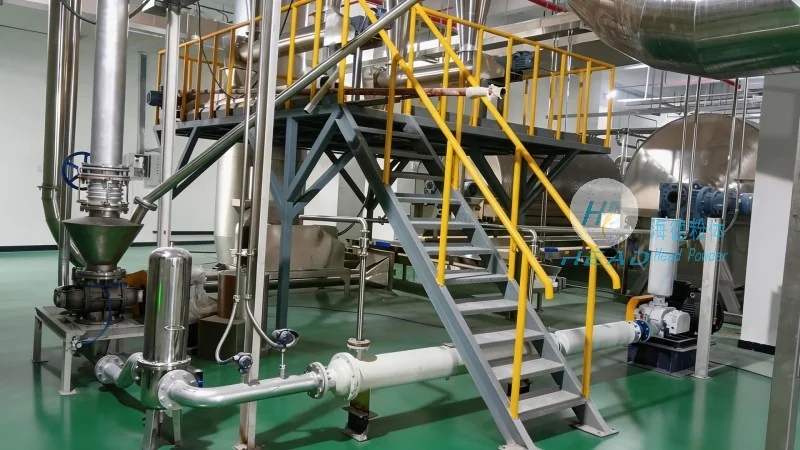
Understanding the Phosphate Iron Lithium Material Pneumatic Conveying System
A phosphate iron lithium material pneumatic conveying system is a specialized industrial equipment designed to transport LFP powder from one location to another using air or gas as the conveying medium. Unlike traditional mechanical conveying methods such as screw conveyors or belt conveyors, pneumatic conveying systems utilize the force of air to move powders through pipelines. This approach offers several advantages, including the ability to handle fine powders without causing particle degradation, reduce contamination risks, and maintain a clean and dust-free environment. The system typically consists of a hopper for material storage, a feeder to control the flow rate, a conveying line with appropriate diameter and length, and a receiver to collect the material at the destination. The choice of conveying type—such as pressure or vacuum systems—depends on the specific application requirements and the characteristics of the LFP material.
Key Components of the Pneumatic Conveying System
The effectiveness of a phosphate iron lithium material pneumatic conveying system relies on its well-designed components, each playing a crucial role in the overall operation. The hopper serves as the primary storage vessel, ensuring a consistent supply of LFP powder to the feeder. The feeder, often a rotary valve or a vibratory feeder, regulates the material flow rate, preventing overloading or underflow that could disrupt the conveying process. The conveying line is constructed from materials resistant to corrosion and abrasion, as LFP powder can be abrasive and may contain moisture that could cause corrosion over time. The line diameter and length are carefully selected based on the material's flow properties, air velocity, and the distance between the source and destination. The receiver, typically a hopper or a storage bin, collects the conveyed LFP powder and may include features like a dust filter or a venting system to maintain system integrity and safety.
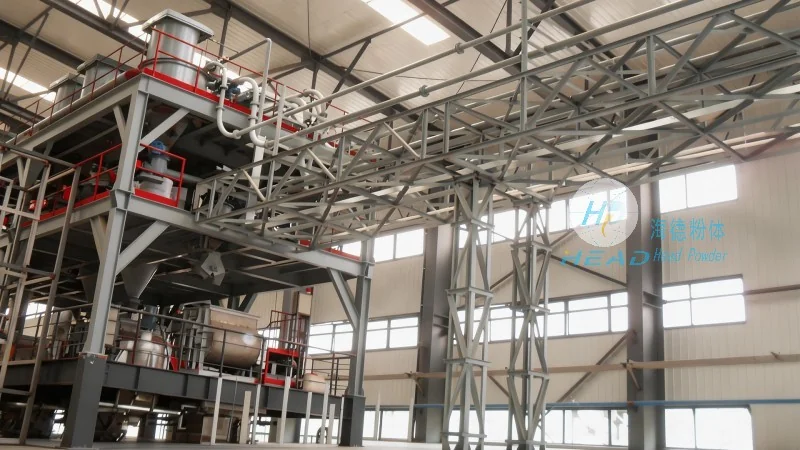
Design Principles for Efficient Material Handling
The design of a phosphate iron lithium material pneumatic conveying system follows several key principles to ensure optimal performance and reliability. First, the system must be tailored to the specific characteristics of the LFP material. LFP powder is fine and can be prone to caking or agglomeration, which may affect its flowability. Therefore, the system may incorporate features like agitators or pre-drying units to maintain the material's free-flowing state. Second, the air velocity within the conveying line is a critical parameter. It must be high enough to keep the powder suspended but low enough to prevent excessive pressure drop and energy consumption. The optimal air velocity is determined by the material's density, particle size, and the conveying distance. Third, the system must consider the pressure requirements. Pressure systems use compressed air to push the material through the line, while vacuum systems use suction to draw the material. The choice depends on the application, with pressure systems being more suitable for long-distance conveying and vacuum systems for short-distance or low-volume applications. Fourth, the system must prioritize safety and environmental compliance. This includes features like explosion-proof designs for handling potentially flammable powders, dust collection systems to prevent airborne contamination, and pressure relief valves to prevent over-pressurization.
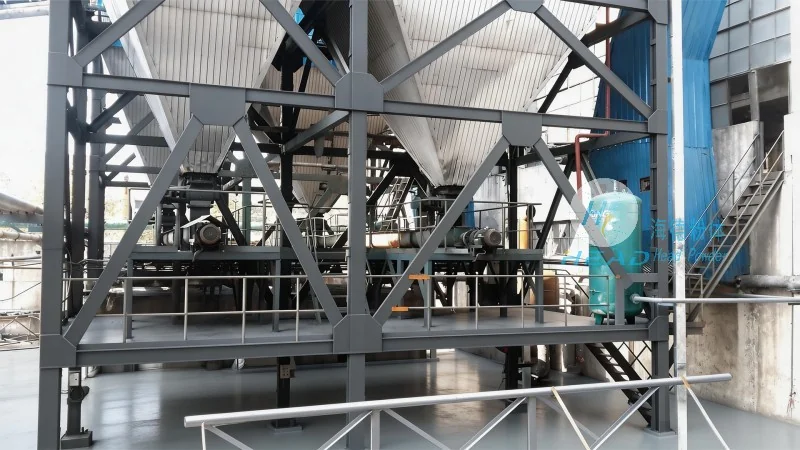
Applications and Benefits in Industrial Production
Phosphate iron lithium material pneumatic conveying systems are widely used in various industrial applications, particularly in the battery manufacturing sector. They are employed in the production of LFP cathodes, where the material needs to be transported from raw material storage to mixing and coating lines. The systems ensure that the LFP powder is delivered in a controlled manner, maintaining consistent particle size distribution and preventing contamination from other materials. The benefits of using such systems include improved production efficiency, reduced labor costs, and enhanced product quality. By eliminating manual handling and mechanical conveyors, the risk of material loss or degradation is minimized. Additionally, the systems contribute to a safer working environment by reducing dust exposure and preventing accidents associated with heavy machinery. The reliability of pneumatic conveying systems also leads to lower maintenance costs and longer equipment lifespan, making them a cost-effective solution for long-term material handling needs.
Conclusion and Company Overview
In conclusion, a phosphate iron lithium material pneumatic conveying system is a sophisticated piece of equipment that plays a vital role in the efficient and safe handling of LFP powder in industrial settings. Its design principles, which include material-specific considerations, optimal air velocity and pressure management, and safety features, ensure that the system operates effectively and reliably. The system's applications in battery manufacturing and other industries highlight its importance in modern production processes. Shandong HeadPowder Engineering Co., Ltd., a leading company in this field, specializes in the design, manufacturing, and installation of such systems. With its headquarters in Shandong, China, the company leverages advanced engineering and technical expertise to provide customized solutions that meet the unique requirements of its clients. By adhering to rigorous quality standards and continuous innovation, HeadPowder ensures that its pneumatic conveying systems deliver superior performance and contribute to the success of its clients' operations.