

What is a Flaky Graphite Material Pneumatic Conveying System? And What Are Its Design Principles?
Flaky graphite, a high-quality carbon material with excellent lubricity, electrical conductivity, and thermal stability, is widely used in various industrial applications. The efficient and reliable transportation of flaky graphite from production sites to processing or packaging facilities is crucial for maintaining production efficiency and product quality. This article explores the concept of a flaky graphite material pneumatic conveying system and delves into its design principles, highlighting the key components, operational mechanisms, and engineering considerations that ensure optimal performance.
Understanding Flaky Graphite Material Pneumatic Conveying Systems
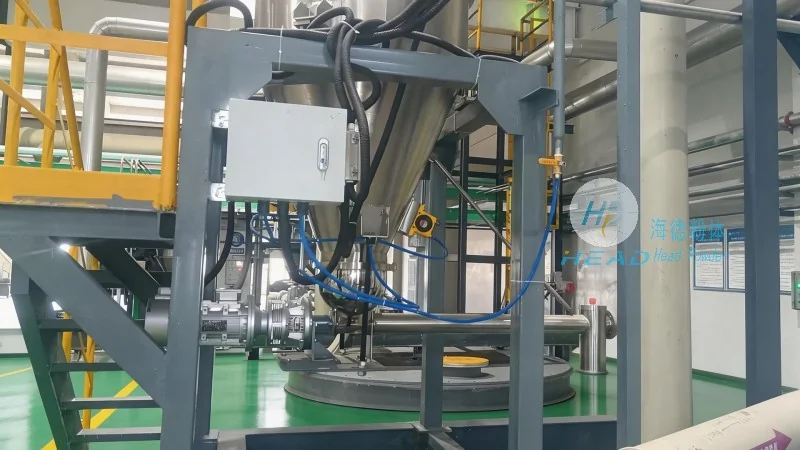
A flaky graphite material pneumatic conveying system is a technology that uses compressed air or other gas to transport flaky graphite particles through a pipeline. This method offers several advantages over traditional mechanical conveying systems, such as reduced equipment wear, lower maintenance costs, and the ability to handle materials in a dust-free environment. The system typically consists of a material hopper, a feeder, a conveying line, a dust collector, and a control system. The material is fed from the hopper into the conveying line, where it is suspended and transported by the air flow. The dust collector then captures any fine particles, ensuring a clean and safe operation.
Key Components of the Pneumatic Conveying System
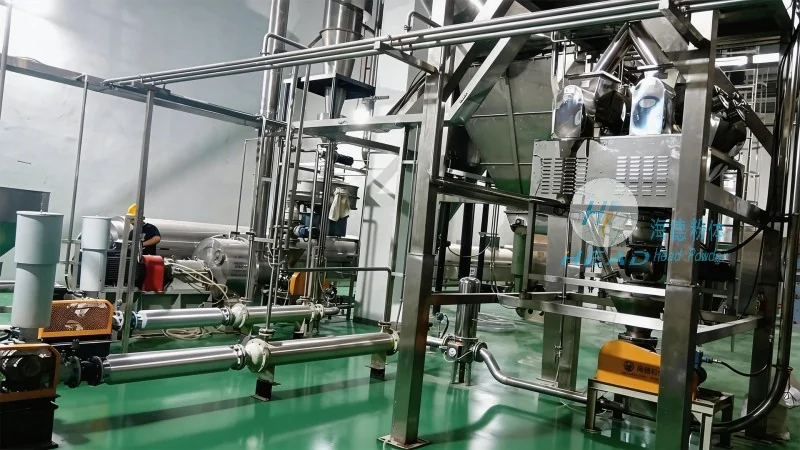
The design of a flaky graphite material pneumatic conveying system involves several critical components, each playing a vital role in the overall operation. The material hopper is the storage vessel where raw flaky graphite is held before being fed into the system. It is designed to accommodate the bulk material and provide a consistent flow to the feeder. The feeder, often a rotary valve or a screw feeder, regulates the material flow rate and ensures a steady supply to the conveying line. The conveying line, usually made of stainless steel or other corrosion-resistant materials, is the main pathway for transporting the graphite particles. The line diameter and length are carefully selected based on the material properties and the required conveying capacity. The dust collector, equipped with filters or cyclones, captures any airborne particles, protecting the environment and maintaining system efficiency. The control system monitors and adjusts the air pressure, flow rate, and material feed rate to optimize performance and prevent system overload.
Design Principles for Optimal Performance
The design principles of a flaky graphite material pneumatic conveying system focus on maximizing efficiency, minimizing energy consumption, and ensuring the safety and reliability of the operation. One of the primary design considerations is the air velocity, which must be sufficient to suspend the flaky graphite particles but not so high as to cause excessive wear on the system components. The air velocity is typically determined based on the particle size, density, and shape of the flaky graphite. Another critical factor is the conveying line layout, which should be designed to minimize bends and changes in direction to reduce pressure drop and prevent material deposition. The system also needs to account for the material's flow properties, such as its angle of repose and cohesive forces, to ensure smooth and continuous transport. Additionally, the selection of materials for the system components, such as the hopper and conveying line, is crucial to prevent corrosion or wear caused by the graphite's chemical properties. The control system plays a vital role in maintaining the system's stability, with sensors and feedback mechanisms adjusting the air flow and material feed to adapt to changes in production conditions.
Engineering Considerations for Flaky Graphite Handling
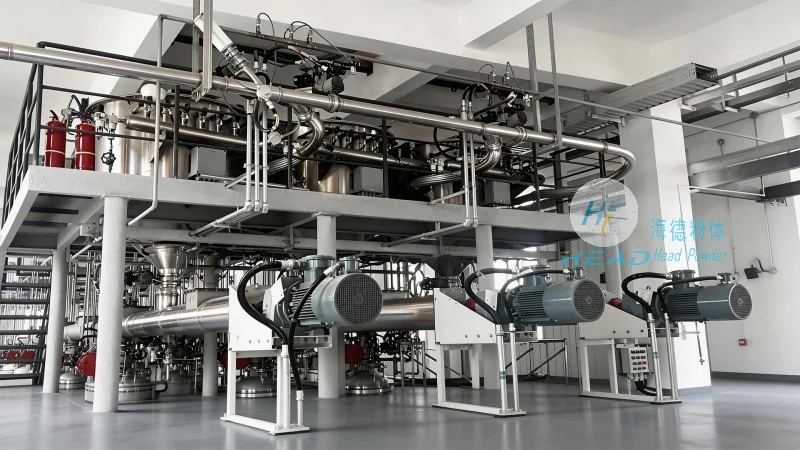
Handling flaky graphite requires special attention due to its unique physical properties. Flaky graphite has a high aspect ratio, meaning its particles are thin and flat, which can lead to bridging and caking in the hopper. To prevent this, the hopper is often equipped with a vibratory or mechanical agitator to break up any agglomerates and ensure a consistent flow. The feeder is also designed to handle the material's tendency to stick to surfaces, with features like anti-stick coatings or heated surfaces to prevent material buildup. The conveying line is typically inclined at a slight angle to facilitate the movement of the particles, and the air flow is adjusted to maintain a stable suspension. The dust collector must be capable of handling fine graphite particles, which can be abrasive and may require high-efficiency filters or cyclones to ensure effective capture. The system's design must also consider the environmental impact, with measures such as dust suppression and air filtration to minimize emissions and comply with environmental regulations.
Applications and Benefits of Flaky Graphite Pneumatic Conveying
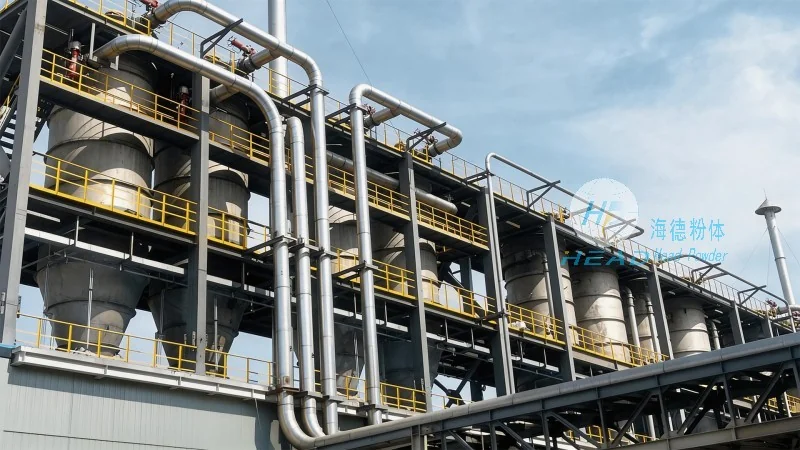
The flaky graphite material pneumatic conveying system is widely used in various industries, including refractory, battery, and lubricant manufacturing. In the refractory industry, the system is used to transport flaky graphite to production lines for the manufacturing of high-temperature refractory materials. In the battery industry, it is used to convey graphite for the production of anodes and cathodes. The benefits of using a pneumatic conveying system for flaky graphite include improved production efficiency, reduced labor costs, and enhanced product quality. The system also minimizes material loss and contamination, ensuring that the graphite reaches its destination in a clean and usable form. Additionally, the system's ability to operate in a dust-free environment improves workplace safety and reduces the risk of respiratory issues for workers.
Conclusion
A flaky graphite material pneumatic conveying system is a sophisticated and efficient technology that plays a critical role in the handling and transportation of this valuable carbon material. The design principles, components, and engineering considerations outlined in this article highlight the importance of careful planning and execution to ensure optimal performance. By understanding the unique properties of flaky graphite and applying appropriate design strategies, manufacturers can achieve reliable, cost-effective, and environmentally friendly material handling solutions. Shandong HeadPowder Engineering Co., Ltd., a leading provider of engineering solutions for material handling, specializes in designing and manufacturing custom pneumatic conveying systems tailored to the specific needs of flaky graphite applications. With a focus on quality, innovation, and customer satisfaction, HeadPowder offers comprehensive solutions that enhance production efficiency and product quality for its clients. Based in Shandong, China, HeadPowder leverages its expertise and experience to deliver reliable and durable systems that meet the highest industry standards.