

What is a Lightweight Aggregate Material Pneumatic Conveying System? And What Are Its Design Princip
Lightweight aggregate material pneumatic conveying systems represent a sophisticated technology used in the construction and material handling industries. These systems are designed to transport lightweight aggregates, such as expanded clay, perlite, vermiculite, and other similar materials, efficiently and safely. The core of this technology lies in the use of air as the conveying medium, which eliminates the need for mechanical components like belts or buckets, thereby reducing maintenance and operational costs.
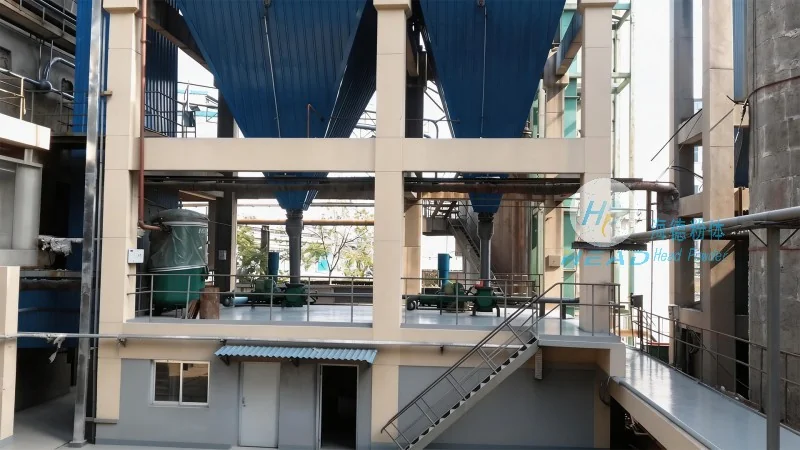
Understanding the Concept of Pneumatic Conveying for Lightweight Aggregates
Pneumatic conveying systems operate by creating a pressure differential between the inlet and outlet of the system. Air is introduced into the conveying line, and the lightweight aggregate material is drawn into the system by the air flow. The system can be categorized into two main types: pressure and vacuum. Pressure systems use compressed air to push the material through the line, while vacuum systems use a vacuum to pull the material. For lightweight aggregates, which are often low-density and have a tendency to settle quickly, pressure systems are more commonly used due to their ability to maintain consistent flow rates and prevent material degradation.
The Role of Lightweight Aggregates in Construction
Lightweight aggregates are widely used in construction for their ability to reduce the overall weight of building materials, improve thermal insulation, and enhance structural performance. Examples include lightweight concrete, which is used in high-rise buildings and bridges, and insulation materials, which are used in walls and roofs. The efficient transportation of these aggregates is crucial for the smooth operation of construction projects, as delays in material delivery can significantly impact project timelines and costs.
Design Principles of Pneumatic Conveying Systems for Lightweight Aggregates
The design of a pneumatic conveying system for lightweight aggregates involves several key principles that ensure optimal performance and reliability. First, the system must be able to handle the specific properties of the material, such as its particle size, density, and flowability. The conveying line diameter and length are critical factors that affect the system's efficiency. A larger diameter line reduces friction losses and allows for higher material flow rates, while a longer line may require additional air pressure or booster units to maintain the material's velocity.
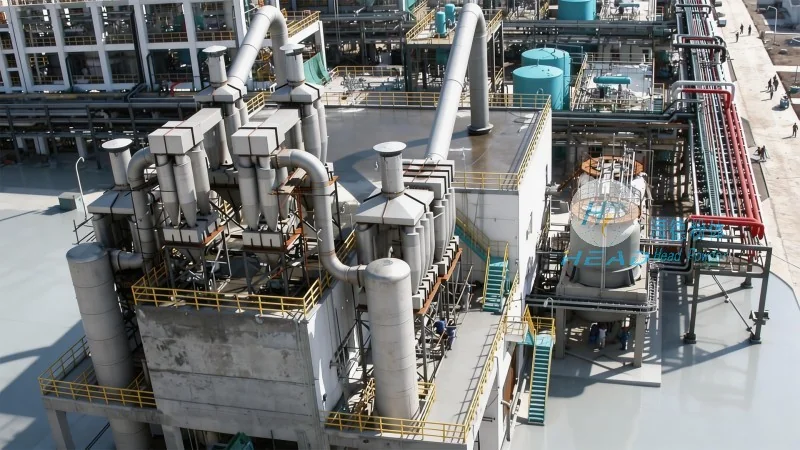
Second, the system must incorporate appropriate components to prevent material degradation and blockages. These components include filters, cyclones, and rotary valves. Filters are used to remove dust and debris from the air stream, protecting downstream equipment and ensuring compliance with environmental regulations. Cyclones are used to separate the material from the air, allowing the material to be discharged into a storage bin or processing unit. Rotary valves are used to control the flow of material into and out of the conveying line, preventing backflow and ensuring a smooth transition between different stages of the process.
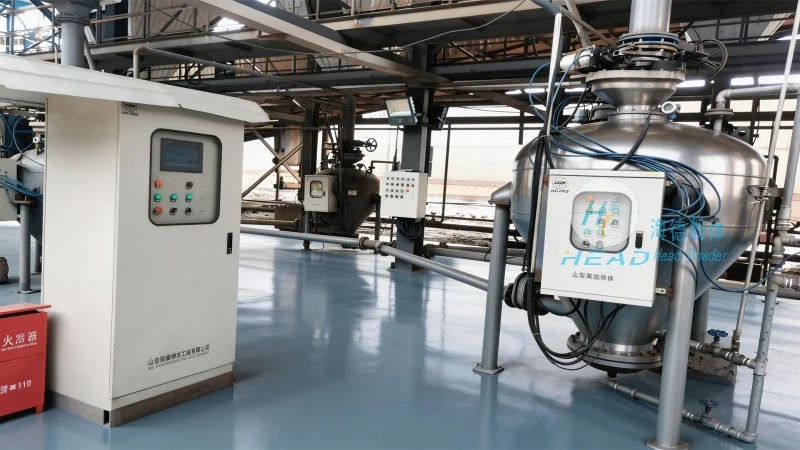
Key Components and Their Functions in the System
Several key components are essential for the proper operation of a pneumatic conveying system for lightweight aggregates. The air compressor is the primary component that generates the necessary air pressure for the system. The type of compressor, such as a rotary screw or reciprocating compressor, is chosen based on the system's requirements and the operating conditions. The air dryer is another critical component that removes moisture from the air, preventing material caking and ensuring consistent material flow.
The conveying line itself is typically made of stainless steel or other corrosion-resistant materials to prevent material buildup and ensure durability. The line is equipped with various fittings, such as elbows, tees, and reducers, which are designed to minimize pressure losses and maintain the material's velocity. The system also includes a series of sensors and controls that monitor the system's performance and adjust the air pressure and flow rate as needed to maintain optimal operation.
Advantages of Using Pneumatic Conveying Systems for Lightweight Aggregates
There are several advantages to using pneumatic conveying systems for lightweight aggregates. First, the system is highly efficient, as it eliminates the need for mechanical components and reduces the risk of material damage. This results in lower maintenance costs and longer equipment life. Second, the system is flexible and can be easily adapted to different material types and flow rates. This makes it suitable for a wide range of applications, from small-scale laboratory operations to large-scale industrial production.
Third, the system is environmentally friendly, as it does not require the use of water or other liquids for cleaning or processing. This reduces the risk of contamination and ensures compliance with environmental regulations. Finally, the system is safe to operate, as it eliminates the need for manual handling of materials, which can be hazardous in some cases.
Applications of Pneumatic Conveying Systems in the Construction Industry
Pneumatic conveying systems for lightweight aggregates are widely used in the construction industry for various applications. One of the most common applications is the transportation of lightweight concrete mixtures from the batching plant to the construction site. The system allows for the efficient and continuous delivery of materials, which improves the productivity of construction projects. Another application is the transportation of insulation materials to the manufacturing plant, where they are processed into finished products.
The system is also used in the production of lightweight aggregate concrete blocks and panels, which are used in residential and commercial buildings. The efficient transportation of the aggregates ensures that the production process is smooth and that the final products meet the required specifications. Additionally, the system is used in the transportation of lightweight aggregates for road construction and other infrastructure projects, where the materials are used to improve the strength and durability of the road surface.
Conclusion
In conclusion, lightweight aggregate material pneumatic conveying systems are an essential technology in the construction and material handling industries. These systems are designed to efficiently and safely transport lightweight aggregates, which are widely used in construction for their ability to reduce weight, improve thermal insulation, and enhance structural performance. The design of these systems involves several key principles, including the use of appropriate components, the optimization of line design, and the incorporation of sensors and controls to ensure optimal performance. The advantages of using pneumatic conveying systems include high efficiency, flexibility, environmental friendliness, and safety. These systems are widely used in the construction industry for various applications, including the transportation of lightweight concrete mixtures, insulation materials, and lightweight aggregate concrete products.