

How to Transport Sand and Soil?
Efficient sand and soil transportation is a critical aspect of various construction and engineering projects. The choice of method depends on factors such as the volume of material, distance, terrain, and the specific requirements of the project. Shandong HeadPowder Engineering Co., Ltd., a leading provider in the field, offers a range of solutions tailored to meet diverse needs. This article explores the common methods used for sand and soil transportation, highlighting the expertise and services provided by HeadPowder.
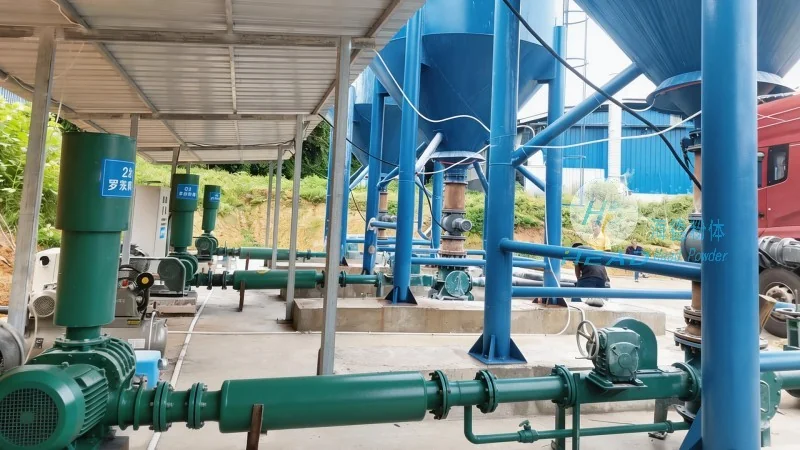
1. Truck and Heavy Machinery Transport
One of the most widely used methods for transporting sand and soil is through the use of trucks and heavy machinery. This approach is particularly effective for long-distance and bulk material movement. Companies like HeadPowder utilize specialized trucks equipped with hydraulic systems and loading mechanisms to efficiently load and transport sand and soil from the source to the construction site. The heavy machinery, including excavators and loaders, plays a crucial role in the initial stages of material extraction and loading. This method ensures high throughput and is suitable for large-scale projects where speed and capacity are paramount. The trucks are designed to handle different types of soil, from fine sand to coarser materials, ensuring that the material remains intact during transit. HeadPowder's fleet of vehicles is regularly maintained to meet safety and efficiency standards, providing reliable service for clients.
2. Conveyor Belt Systems
Conveyor belt systems offer a continuous and automated method for transporting sand and soil. These systems are ideal for transporting materials over moderate distances, such as within a construction site or between different stages of processing. The conveyor belts are typically made of durable materials like rubber or plastic, capable of handling various types of soil without causing degradation. HeadPowder employs advanced conveyor technology that ensures minimal material loss and consistent flow. The systems can be customized to fit the specific layout of a project, with adjustable inclines and lengths to accommodate different terrain and operational needs. This method reduces the need for manual labor and enhances safety by minimizing human exposure to heavy machinery. The conveyor belts are also equipped with monitoring systems that allow for real-time tracking of material movement, ensuring optimal performance and efficiency. For projects requiring high-volume material transport, conveyor systems provide a cost-effective and reliable solution.
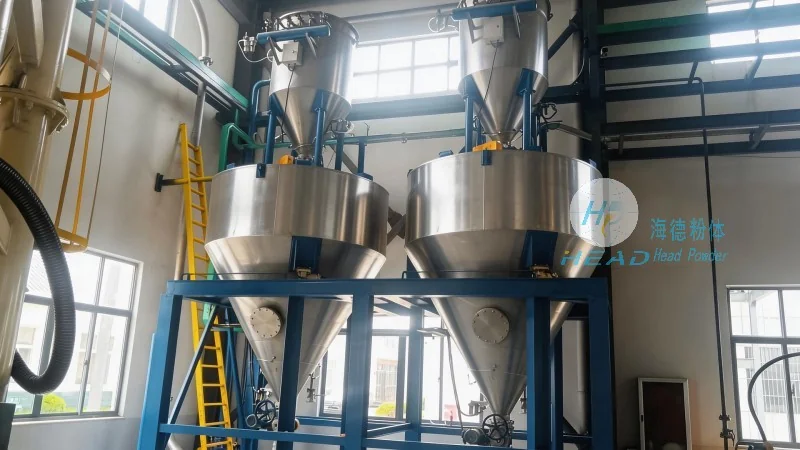
3. Pipelines and Slurry Transport
For long-distance or challenging terrain, pipelines and slurry transport methods are employed. This technique involves mixing sand and soil with water to create a slurry, which is then pumped through pipelines to the destination. HeadPowder utilizes high-pressure pumps and robust pipelines to ensure the efficient transport of slurry. The slurry transport method is particularly effective for transporting materials over long distances without the need for heavy machinery at the receiving end. This approach minimizes environmental impact by reducing the number of vehicles on the road and the associated emissions. The pipelines are designed to withstand the pressure and abrasion from the slurry, ensuring a long service life. HeadPowder's expertise in slurry transport includes the selection of appropriate pipeline materials and the optimization of pumping systems to achieve the best results. This method is suitable for projects where the distance is significant and the terrain is difficult to traverse with traditional trucks and machinery.
4. Rail Transport
Rail transport is another viable option for sand and soil transportation, especially for large-scale projects with extensive material requirements. HeadPowder collaborates with rail transport services to move bulk quantities of sand and soil over long distances. The rail cars are specially designed to carry loose materials, with features such as reinforced sides and bottom to prevent spillage during transit. This method offers a cost-effective solution for long-distance transport, as rail is generally more economical than trucking for large volumes. The rail network allows for the efficient movement of materials across regions, connecting the source and the construction site seamlessly. HeadPowder ensures that the rail transport is coordinated with the project schedule, minimizing delays and ensuring timely delivery. The rail transport method is particularly advantageous for projects located near railway lines, as it reduces the need for additional infrastructure development. This approach also contributes to lower carbon emissions compared to road transport, aligning with sustainable practices.
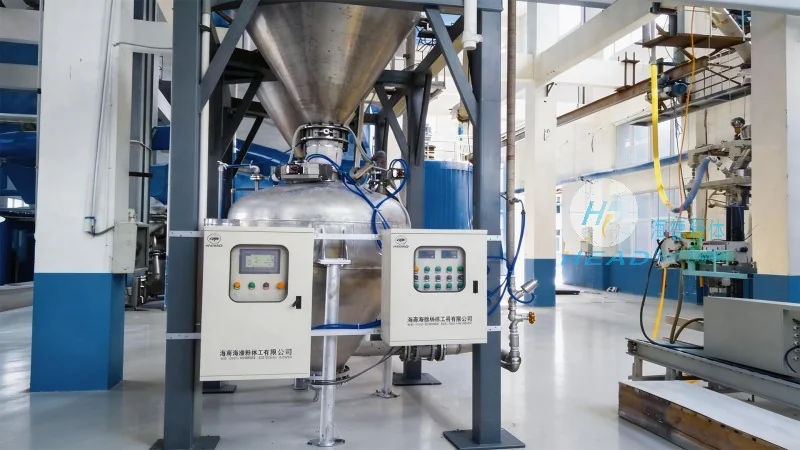
5. Manual and Small-Scale Transport
For smaller-scale projects or in areas where machinery is not feasible, manual and small-scale transport methods are utilized. This includes the use of wheelbarrows, carts, and other small equipment to move sand and soil over short distances. HeadPowder provides guidance and equipment for such operations, ensuring safety and efficiency. The manual transport method is suitable for tasks such as transporting soil for landscaping or small construction projects. It requires careful planning and organization to ensure that the material is moved in an orderly manner, minimizing the risk of accidents. HeadPowder's team of professionals can assist in the planning and execution of manual transport, providing expertise on the best practices for handling different types of soil. This method is often used in conjunction with other larger-scale methods, such as truck transport, to handle the final stages of material movement within a project site. The manual transport method allows for flexibility and precision, especially in tight spaces where machinery cannot operate effectively.
6. Environmental Considerations in Sand and Soil Transport
When transporting sand and soil, environmental considerations are paramount. HeadPowder emphasizes sustainable practices to minimize the environmental impact of its operations. This includes measures such as reducing dust emissions, controlling soil erosion, and managing water runoff. The use of enclosed trucks and conveyor systems helps to contain dust and prevent it from spreading into the environment. HeadPowder also implements recycling and reuse programs for materials, reducing the need for new extraction and transport. The company adheres to local regulations and guidelines to ensure that its transport methods are environmentally friendly. By prioritizing sustainability, HeadPowder not only meets the needs of its clients but also contributes to the preservation of the environment. This approach is particularly important for projects located in sensitive areas, such as near water bodies or in ecologically fragile regions.
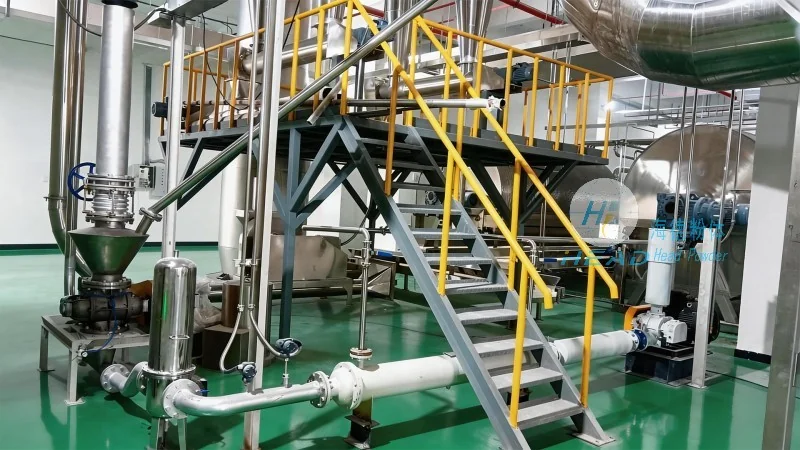
7. Choosing the Right Transport Method for Your Project
Selecting the appropriate sand and soil transport method requires careful evaluation of several factors. HeadPowder assists clients in making informed decisions by providing comprehensive assessments of their project requirements. The first step is to determine the volume and type of material to be transported. This information helps in selecting the right equipment and method. The distance between the source and the construction site is another critical factor, as it influences the choice between trucking, conveyor systems, or rail transport. The terrain and existing infrastructure also play a role, as some methods may be more suitable for certain conditions. HeadPowder's team of experts conducts site visits and analyzes project specifications to recommend the most efficient and cost-effective transport solution. By considering all these factors, clients can ensure that the transport method aligns with their project goals and budget. The collaboration between HeadPowder and clients ensures that the chosen method is optimized for performance, safety, and environmental impact.
8. Conclusion
In conclusion, the methods for transporting sand and soil vary based on project requirements, distance, and terrain. Shandong HeadPowder Engineering Co., Ltd. offers a range of solutions, from truck and machinery transport to conveyor and slurry systems, tailored to meet diverse needs. The company's expertise and commitment to efficiency and sustainability ensure that clients receive reliable and effective transport services. Whether for large-scale construction projects or smaller-scale operations, HeadPowder provides the necessary support to achieve successful sand and soil transportation. By understanding the different methods and their applications, project managers can make informed decisions that enhance project outcomes and minimize risks. The continued development of transport technologies, combined with the expertise of companies like HeadPowder, ensures that sand and soil transportation remains efficient and environmentally responsible.