

Methods of Magnesium Powder Conveying
At Shandong HeadPowder Engineering Co., Ltd., we specialize in providing efficient and reliable solutions for magnesium powder conveying. Understanding the diverse methods available is crucial for optimizing material handling processes in various industrial applications. This article explores the primary methods used for transporting magnesium powder, highlighting their advantages, applications, and suitability for different operational requirements.
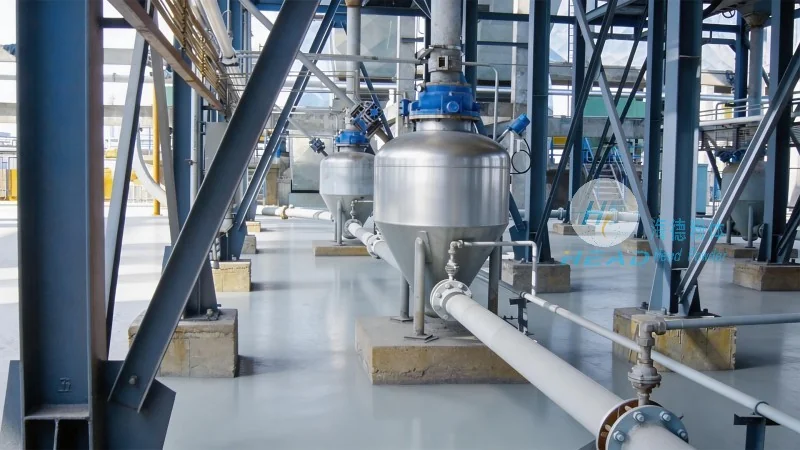
Overview of Conveying Methods for Magnesium Powder
Magnesium powder, due to its fine particle size and potential reactivity, requires specialized conveying systems to ensure safety, efficiency, and minimal material loss. The choice of conveying method depends on factors such as the powder's properties, the distance to be conveyed, the required flow rate, and the environmental conditions. Below are the most common methods employed in industrial settings.
1. Air-Pressure (Pneumatic) Conveying Systems
Air-pressure or pneumatic conveying is one of the most widely used methods for magnesium powder transport. This system utilizes compressed air to move the powder through a pipeline. There are two main types: pressure and vacuum systems. In pressure systems, air is blown into the pipeline, pushing the powder forward. Vacuum systems, on the other hand, create a negative pressure to draw the powder into the line. Pneumatic conveying is ideal for long-distance transport and can handle fine powders without the need for mechanical components that might cause particle degradation. It is particularly suitable for applications where dust control and contamination prevention are critical. At HeadPowder, our pneumatic conveying solutions are designed to maintain the integrity of magnesium powder while ensuring smooth operation.
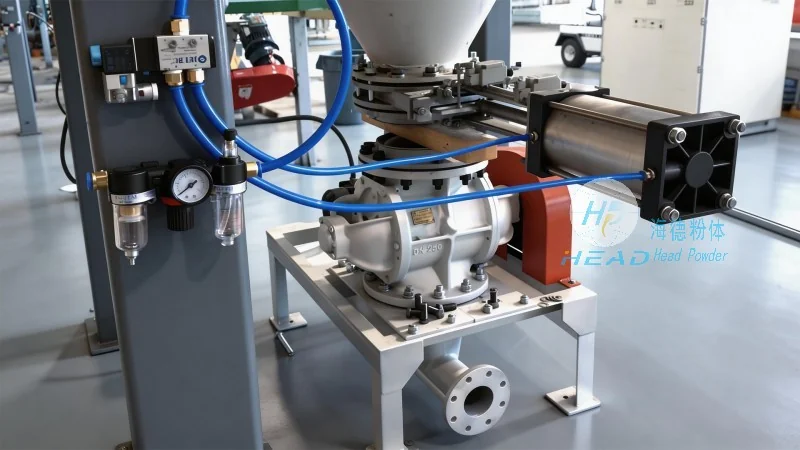
2. Screw (Auger) Conveyors
Screw or auger conveyors are another common method for magnesium powder handling. These systems consist of a rotating screw inside a tube, which moves the powder forward through the tube. Screw conveyors are suitable for moderate to high flow rates and are often used for short to medium distances. They are particularly effective for handling bulk quantities of magnesium powder and can be integrated with storage silos or processing equipment. The design of the screw (e.g., solid or ribbon) and the speed of rotation can be adjusted to control the flow rate and prevent material buildup or clogging. At HeadPowder, our screw conveyors are engineered to handle the abrasive nature of magnesium powder, ensuring long service life and minimal maintenance.
3. Vibratory Conveyors
Vibratory conveyors use mechanical vibration to move magnesium powder along a trough. The vibration causes the powder to flow in a controlled manner, eliminating the need for external forces like air or mechanical belts. This method is ideal for handling powders with high moisture content or those prone to bridging. Vibratory conveyors are also effective in preventing material degradation and are suitable for both horizontal and inclined transport. They are commonly used in applications where gentle handling is required, such as in food processing or pharmaceutical industries, though they can be adapted for magnesium powder transport as well. At HeadPowder, our vibratory conveyor systems are designed to provide consistent performance and reduce the risk of product contamination.
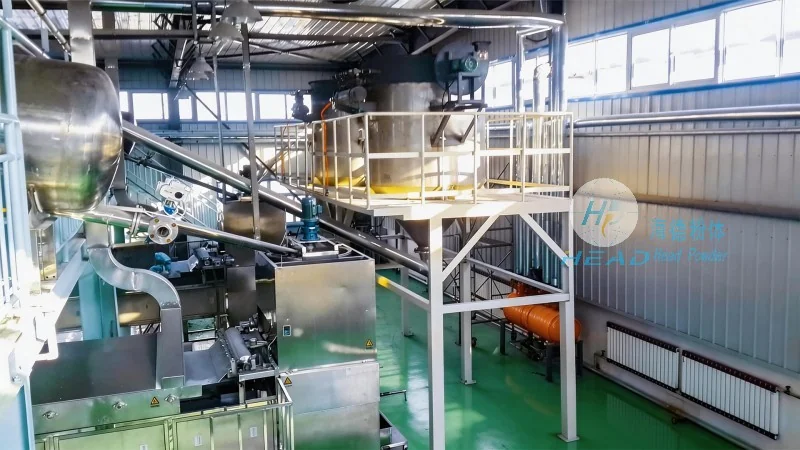
4. Belt Conveyors
Belt conveyors are a traditional method for transporting magnesium powder, especially in bulk handling operations. These systems use a continuous belt that moves over rollers or pulleys, carrying the powder from one location to another. Belt conveyors are suitable for long-distance transport and can handle large volumes of material. They are particularly effective when the powder needs to be elevated or moved over a significant distance. However, they require regular maintenance to prevent belt wear and ensure proper alignment. At HeadPowder, our belt conveyor solutions are built with durable materials to withstand the abrasive nature of magnesium powder and are equipped with safety features to prevent accidents during operation.
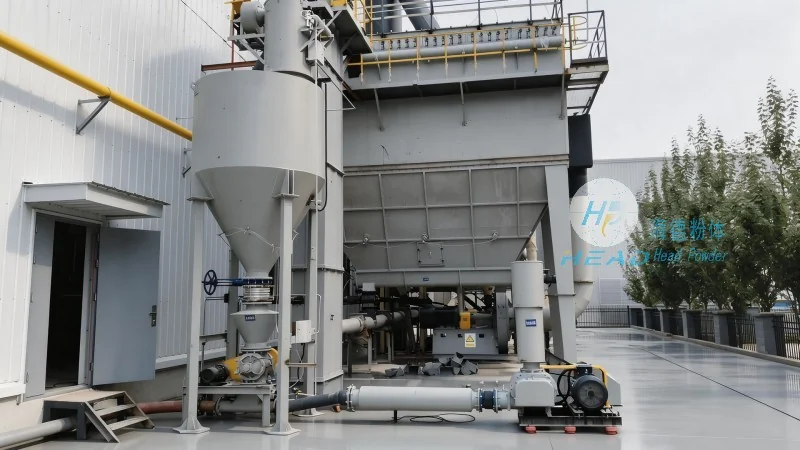
5. Hydraulic Conveying
Hydraulic conveying systems use a liquid medium, typically water or a specialized fluid, to transport magnesium powder. The powder is suspended in the liquid and moved through pipelines. This method is effective for long-distance transport and can handle large quantities of material. However, it requires additional equipment for liquid handling and may introduce moisture into the powder, which could affect its properties. Hydraulic conveying is less common for magnesium powder due to the potential for moisture absorption and the need for specialized fluid management. At HeadPowder, we evaluate the suitability of hydraulic systems based on specific application requirements and provide guidance on moisture control to maintain the quality of magnesium powder.
Conclusion and Company Expertise
Choosing the right magnesium powder conveying method is essential for optimizing industrial processes and ensuring safety. At Shandong HeadPowder Engineering Co., Ltd., we offer comprehensive solutions tailored to the unique needs of each client. Our team of experts evaluates the properties of magnesium powder, the operational environment, and the specific requirements of the application to recommend the most suitable conveying system. Whether it's pneumatic, screw, vibratory, belt, or hydraulic, our systems are designed to deliver efficiency, reliability, and durability. With our commitment to quality and customer satisfaction, HeadPowder is your trusted partner for magnesium powder conveying solutions. Contact us today to learn more about how we can help streamline your material handling processes.