

What is a Pearl Sand Powder Pneumatic Conveying System? And What Are Its Design Principles?
At Shandong HeadPowder Engineering Co., Ltd., we specialize in advanced powder handling solutions, including the development and implementation of pneumatic conveying systems for materials like pearl sand. A pneumatic conveying system is a method of transporting bulk materials, such as powders and granules, using a gas stream, typically air or other gases. The pearl sand powder pneumatic conveying system, in particular, is engineered to efficiently move this specific material from one location to another, ensuring minimal loss and optimal performance.
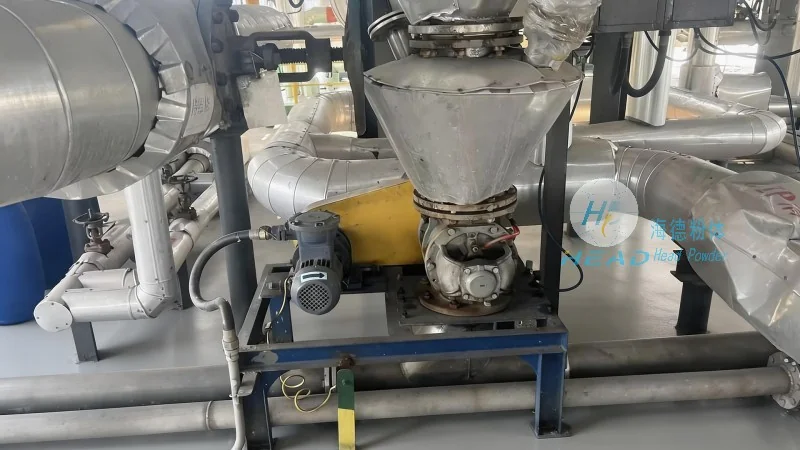
The core of any pneumatic conveying system lies in its design principles, which are tailored to meet the unique characteristics of the material being transported. For pearl sand, a fine, abrasive powder, the system must address challenges like material flowability, particle size distribution, and the potential for dust generation. The design process involves several critical components and considerations that work in concert to achieve reliable and efficient material transport.
Key Design Components and Considerations
Firstly, the system's layout and configuration are crucial. It typically consists of a hopper for material storage, a conveying line (often a pipe or duct), and a receiver for the discharged material. The choice of pipe material, such as stainless steel or special alloys, is essential to prevent corrosion from the abrasive pearl sand particles. Additionally, the system may incorporate features like pulse-jet or rotary airlock valves to control the flow and prevent blockages, which are common issues with fine powders.
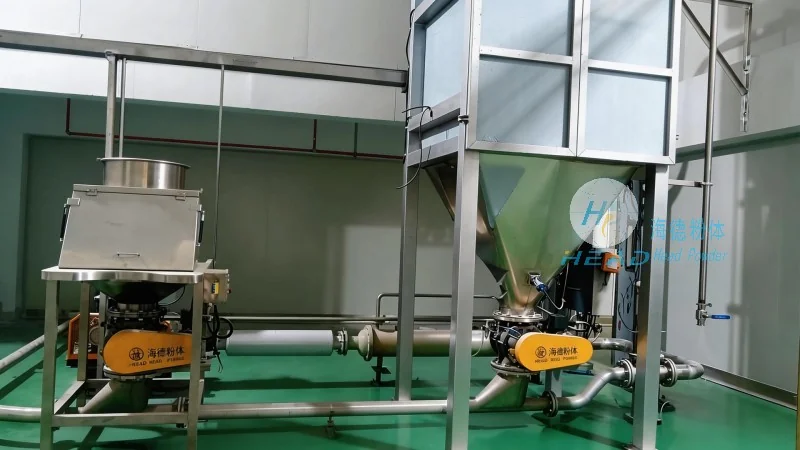
Secondly, the air flow rate and pressure are carefully calculated to ensure the material is entrained and transported effectively. The velocity of the air within the pipe must be sufficient to lift and move the pearl sand particles without causing excessive wear on the system components. This balance is achieved through the use of appropriate blower or compressor systems, which generate the necessary air pressure and volume. The design also considers the system's capacity, ensuring it can handle the required throughput of pearl sand without compromising performance or efficiency.
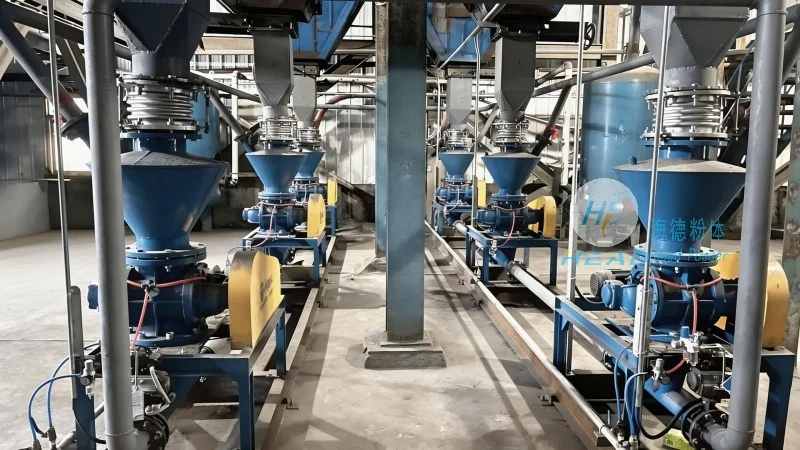
Control Mechanisms and Automation
Thirdly, the system's control mechanisms play a vital role in maintaining optimal operation. Sensors and monitoring equipment are often integrated to track parameters like pressure, flow rate, and material level, allowing for real-time adjustments and troubleshooting. This automation helps to minimize downtime and ensure consistent performance, which is critical for industrial applications where reliability is paramount.
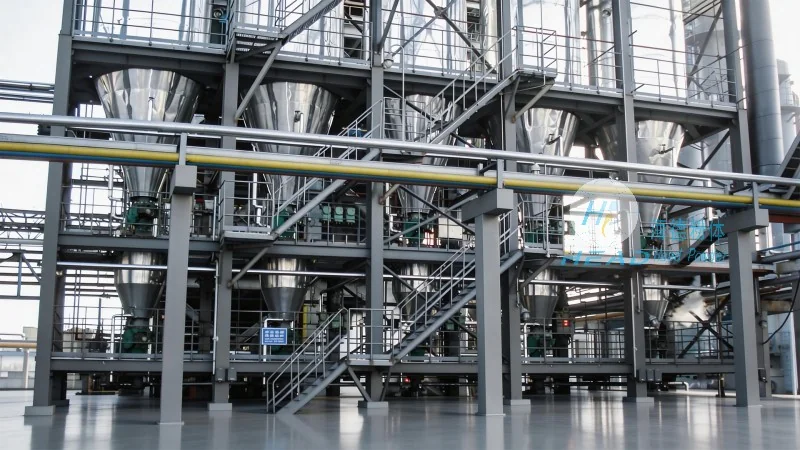
Customization and Application
At Shandong HeadPowder Engineering Co., Ltd., our expertise lies in customizing these pneumatic conveying systems to meet the specific needs of our clients. By understanding the unique properties of pearl sand and applying sound engineering principles, we design systems that are not only efficient but also durable and cost-effective. Our team of engineers works closely with clients to assess their requirements, from material characteristics to operational constraints, and develops tailored solutions that enhance productivity and reduce operational costs.
Whether for small-scale or large-scale applications, the pearl sand powder pneumatic conveying system offers a reliable and efficient method of material transport. By adhering to established design principles and leveraging advanced technology, these systems can handle the challenges associated with fine, abrasive powders like pearl sand, ensuring smooth and continuous operation. As a leading provider in the industry, Shandong HeadPowder Engineering Co., Ltd. is committed to delivering high-quality, customized solutions that meet the evolving needs of our clients in China and beyond.