

What is a Concrete Powder Pneumatic Conveying System? And What Are Its Design Principles?
Concrete powder pneumatic conveying systems are essential equipment in the construction industry, designed to transport dry concrete powders efficiently and reliably. These systems utilize air as the conveying medium to move materials from one location to another, offering advantages such as low maintenance, minimal material degradation, and the ability to handle a wide range of powder types. Understanding the core components and design principles of such systems is crucial for optimizing performance and ensuring safe operation in construction projects.
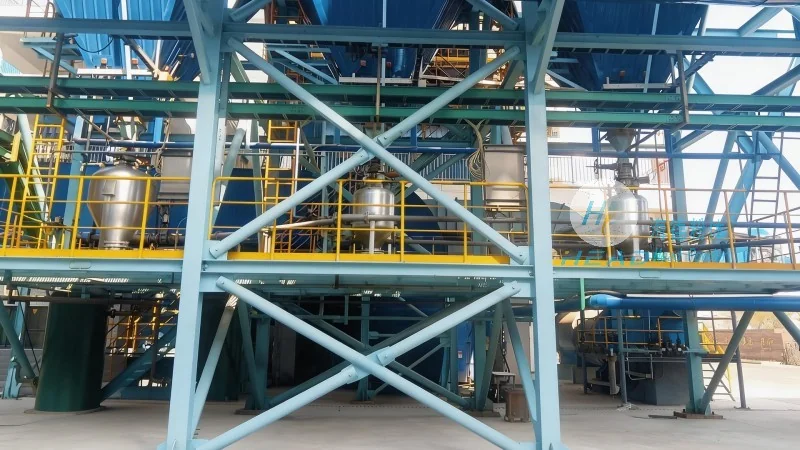
Introduction to Concrete Powder Pneumatic Conveying Systems
Concrete powder pneumatic conveying systems are specialized industrial equipment used to transport dry concrete powders through a network of pipes using air as the primary conveying medium. Unlike traditional bulk material handling methods, these systems offer a flexible and efficient solution for moving powders over short to medium distances. The technology has become increasingly popular in the construction sector due to its ability to handle various powder characteristics, including different particle sizes, moisture contents, and flow properties. By leveraging air pressure and velocity, these systems can transport concrete powders with minimal loss and degradation, making them ideal for applications where material quality and consistency are critical.
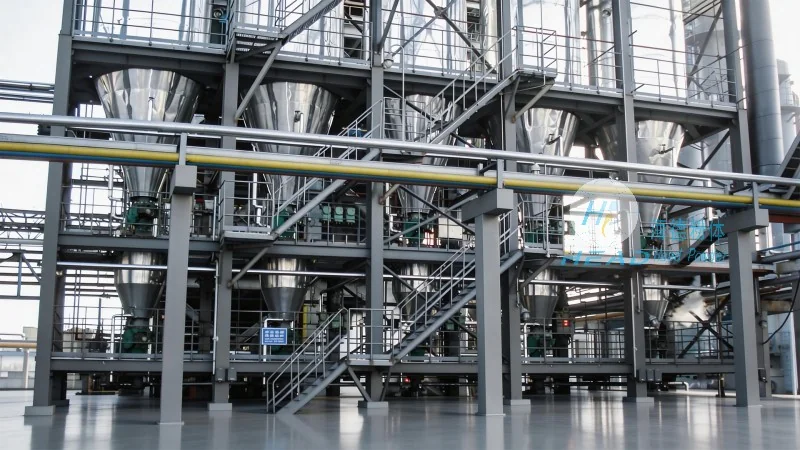
Key Components of a Concrete Powder Pneumatic Conveying System
The effectiveness of a concrete powder pneumatic conveying system depends on several key components that work in harmony to ensure smooth material transport. These components include the hopper, which stores and feeds the concrete powder; the conveyor line, which consists of pipes and fittings that guide the material; the air compressor or blower, which generates the necessary air pressure; and the control system, which regulates the flow of air and material. Additionally, systems may include filters and cyclones to separate the conveyed powder from the air, ensuring that the material remains clean and free from contaminants. Each component plays a vital role in maintaining the system's efficiency and reliability, and proper design and maintenance are essential for optimal performance.
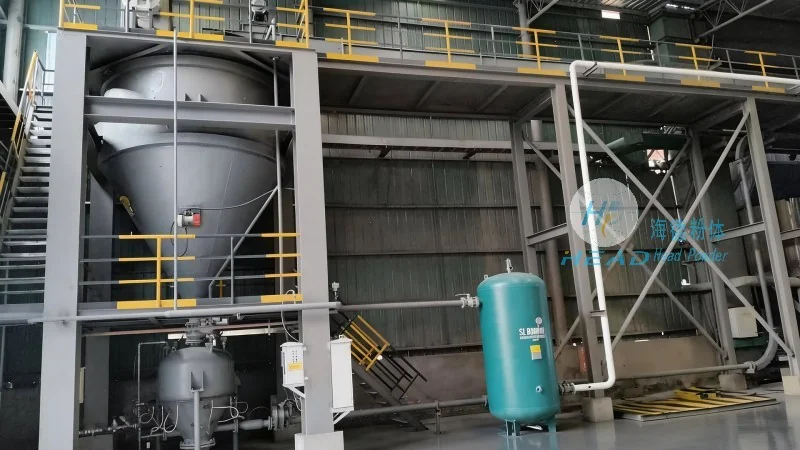
Design Principles for Concrete Powder Pneumatic Conveying Systems
The design of a concrete powder pneumatic conveying system follows specific principles to ensure efficient material transport and system longevity. One of the primary design considerations is the selection of the appropriate air velocity and pressure, which must be sufficient to overcome the resistance of the material in the pipes while minimizing energy consumption. The system's layout, including the length and diameter of the conveyor lines, is also critical, as it directly impacts the overall conveying efficiency. Engineers must consider factors such as the powder's density, particle size distribution, and flowability to determine the optimal air velocity and pressure settings. Furthermore, the system's design must account for the potential for material buildup or blockages, which can be mitigated through the use of appropriate fittings, such as bends and elbows, and by maintaining consistent air flow. Proper sealing of the system is also essential to prevent air leaks and ensure that the conveying process remains efficient and effective.
Applications and Benefits of Concrete Powder Pneumatic Conveying Systems
Concrete powder pneumatic conveying systems are widely used in various applications within the construction industry, including the transport of dry mix concrete, mortar, and other powdered materials. These systems offer several benefits over traditional methods, such as reduced labor costs, increased material handling speed, and improved safety by minimizing manual handling of powders. Additionally, the systems can be integrated with other equipment, such as mixers and pumps, to create a fully automated material handling process. The flexibility of pneumatic conveying systems allows them to be adapted to different project requirements, making them suitable for both small-scale and large-scale construction projects. By optimizing the design and operation of these systems, construction companies can improve their productivity, reduce material waste, and enhance the overall quality of their concrete products.
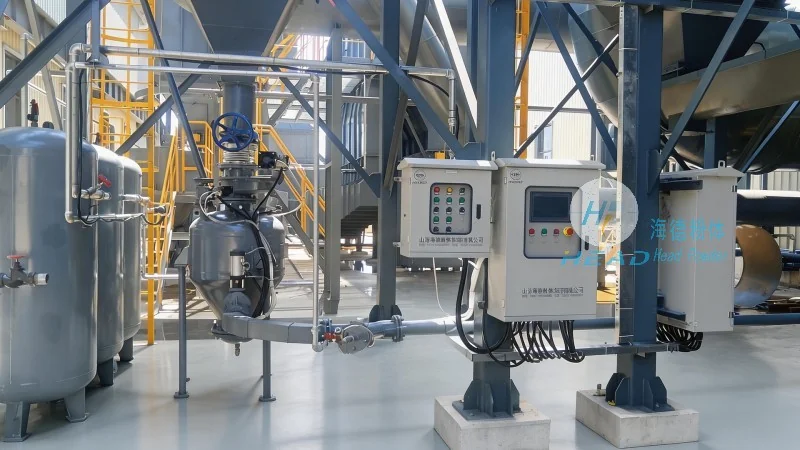
Conclusion
In conclusion, concrete powder pneumatic conveying systems are a vital component of modern construction material handling, offering efficient and reliable solutions for transporting dry concrete powders. The design principles and key components of these systems are critical to their performance and longevity, and proper selection and maintenance are essential for optimal operation. As the construction industry continues to evolve, the demand for advanced material handling solutions will likely increase, making concrete powder pneumatic conveying systems an important technology for future development. With the support of companies like Shandong HeadPowder Engineering Co., Ltd., based in China, these systems can be tailored to meet the specific needs of construction projects, ensuring that materials are transported safely and efficiently.