

What is a Cellulose Powder Pneumatic Conveying System? What Are Its Design Principles?
Cellulose powder, a common industrial material, often requires efficient and reliable transport solutions for processing and handling. The pneumatic conveying system emerges as a key technology in this context, offering a method to move fine powders like cellulose through a pipeline using air or gas as the conveying medium. This article explores the concept of a cellulose powder pneumatic conveying system and delves into its fundamental design principles, highlighting the technology's importance in industrial applications.
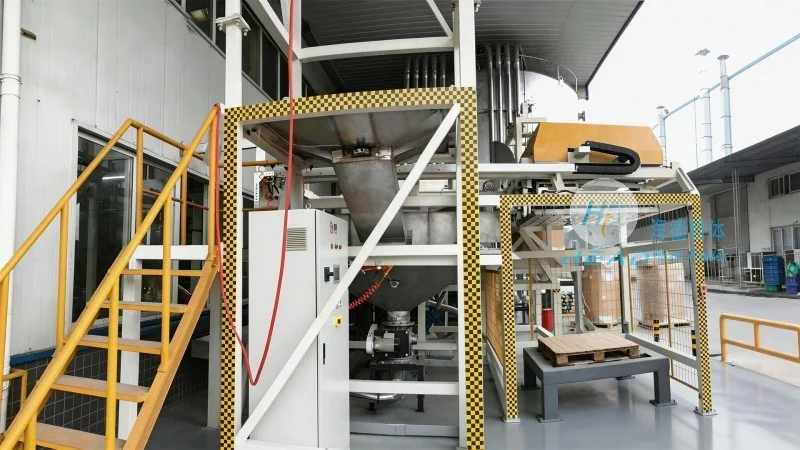
Understanding Pneumatic Conveying Systems
Pneumatic conveying systems are designed to transport bulk materials, including powders and granules, through a closed or open pipeline using pressurized air or vacuum. Unlike mechanical conveying methods like screw conveyors or belt conveyors, pneumatic systems utilize the force of air to move materials, which can be particularly advantageous for materials that are dusty, abrasive, or sensitive to moisture. For cellulose powder, which is often fine and lightweight, pneumatic conveying provides a gentle yet effective means of transport, minimizing product degradation and ensuring consistent flow rates.
The Role of Cellulose Powder in Industrial Applications
Cellulose powder, derived from natural sources such as wood pulp or agricultural residues, is widely used in various industries, including pharmaceuticals, food processing, and chemical manufacturing. Its properties, such as high purity, low moisture content, and excellent flowability, make it a preferred material for many applications. However, the handling of cellulose powder can present challenges, especially when it needs to be transported over long distances or integrated into complex production lines. This is where pneumatic conveying systems play a critical role, enabling the safe and efficient transfer of cellulose powder from storage to processing equipment.
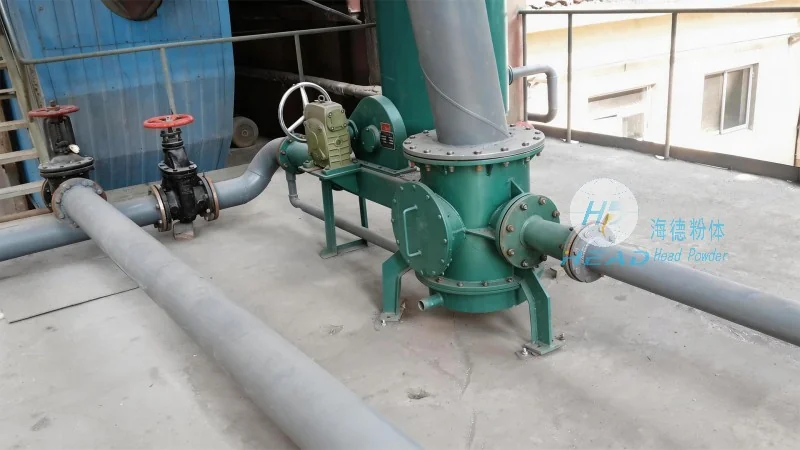
Design Principles of a Cellulose Powder Pneumatic Conveying System
The design of a cellulose powder pneumatic conveying system involves several key components and principles to ensure optimal performance. The system typically consists of a material feed hopper, a conveying pipeline, a pressure or vacuum source, and a discharge device. The choice of conveying mode—either pressure or vacuum—depends on the specific application and the characteristics of the cellulose powder. For example, pressure conveying is often used for short to medium distances and when the material is relatively dry and free-flowing, while vacuum conveying is suitable for longer distances or when the material is more cohesive.
Key design considerations include the selection of appropriate pipeline materials to prevent corrosion or material buildup, the use of appropriate air velocities to maintain material suspension and prevent clogging, and the incorporation of control systems to regulate flow rates and pressure. The system also needs to be designed to handle the specific properties of cellulose powder, such as its particle size distribution, moisture content, and flow characteristics. For instance, if the cellulose powder is fine and has a high moisture content, the system may require additional features like moisture control or dust collection to ensure efficient operation.
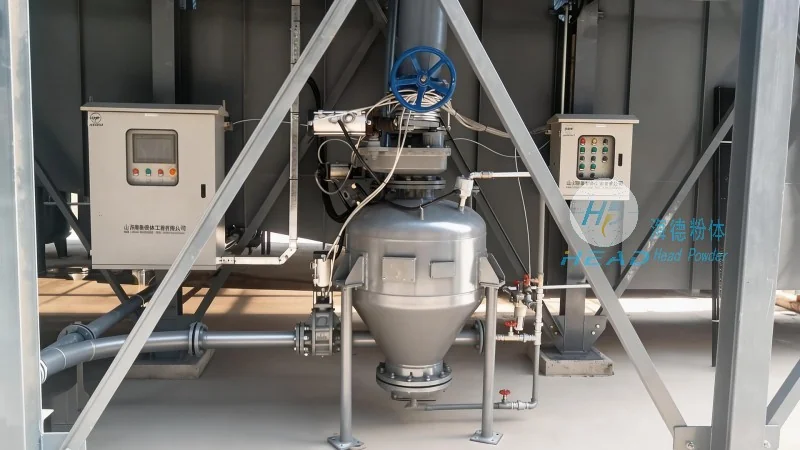
HeadPowder's Expertise in Pneumatic Conveying Solutions
Shandong HeadPowder Engineering Co., Ltd., a leading provider of industrial conveying solutions, specializes in designing and manufacturing pneumatic conveying systems tailored to the needs of cellulose powder and other fine materials. With years of experience in the industry, HeadPowder understands the unique challenges associated with handling cellulose powder and has developed advanced solutions to address them. The company's team of engineers and technicians work closely with clients to assess their specific requirements, from material characteristics to production capacity, and design customized pneumatic conveying systems that meet their operational needs.
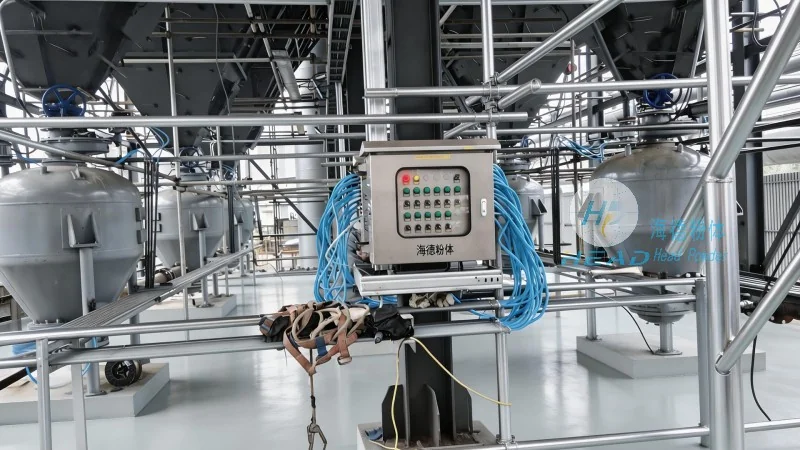
HeadPowder's approach to system design emphasizes efficiency, reliability, and safety. The company uses state-of-the-art technology and materials to ensure that its pneumatic conveying systems are durable, low-maintenance, and capable of handling the demands of industrial environments. Whether it's a small-scale system for a laboratory or a large-scale system for a manufacturing plant, HeadPowder provides comprehensive solutions that include not only the conveying equipment but also related accessories such as hoppers, filters, and control panels. The company's commitment to quality and customer satisfaction has made it a trusted partner for many businesses in the cellulose powder industry.
Conclusion: The Importance of Effective Pneumatic Conveying
In conclusion, a cellulose powder pneumatic conveying system is a vital technology for the efficient and safe handling of this important industrial material. By understanding the design principles and components of such a system, industries can optimize their production processes and improve overall operational efficiency. With the expertise and experience of companies like Shandong HeadPowder Engineering Co., Ltd., businesses can access reliable and customized pneumatic conveying solutions that meet their specific needs, ensuring the smooth and continuous flow of cellulose powder from storage to processing and beyond.