

What is a Purified Powdered Material Pneumatic Conveying System? And What Are Its Design Principles?
When discussing industrial material handling, the concept of pneumatic conveying systems is fundamental. These systems utilize air or other gases to transport bulk materials, offering a flexible and efficient method for moving powders and granules. Among the various types, the purified powdered material pneumatic conveying system stands out due to its specialized design for handling materials that require high levels of cleanliness and purity. This article explores the definition and design principles of such systems, providing insights into their functionality and application in industrial settings.
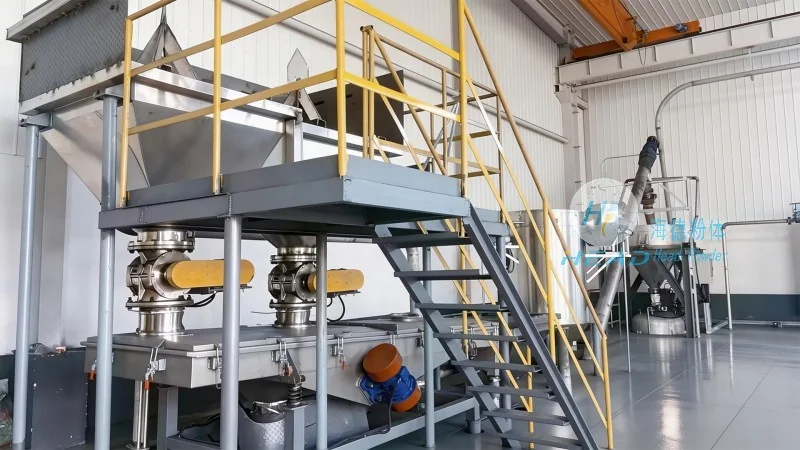
Understanding the Core Components of a Purified Powdered Material Pneumatic Conveying System
The foundation of any pneumatic conveying system lies in its core components, which work in harmony to ensure efficient material transport. For a purified system, these components are engineered to minimize contamination and maintain the integrity of the conveyed material. Key elements include the feed hopper, which stores and feeds the material into the system; the conveying line, which can be either positive or negative pressure, depending on the application; and the separation and collection equipment, such as cyclones or filters, that ensure the material is delivered to its destination without loss or contamination.
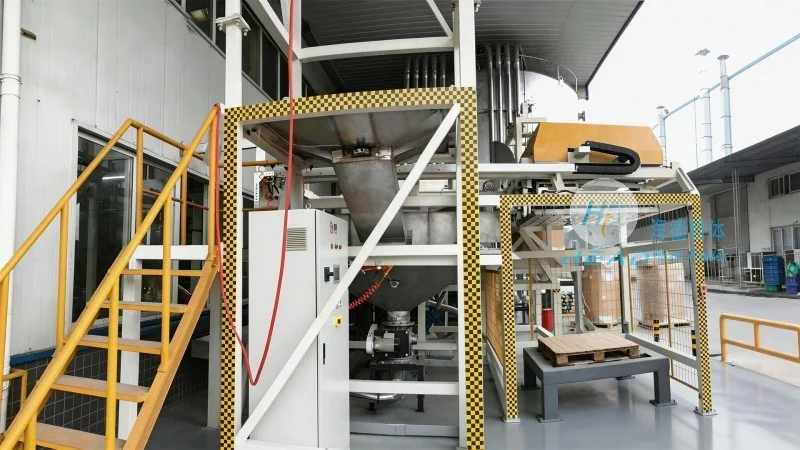
Design Principles for Optimal Performance and Purity
The design of a purified powdered material pneumatic conveying system is guided by several critical principles aimed at maintaining high standards of cleanliness and efficiency. First, the system must incorporate effective filtration and separation mechanisms to prevent dust and contaminants from entering or exiting the system. This includes using high-efficiency particulate air (HEPA) filters or other advanced filtration technologies to ensure that the air used in the conveying process remains clean. Second, the system’s design considers the material’s properties, such as its particle size, density, and flowability, to optimize the conveying velocity and pressure. This ensures that the material is transported smoothly without clogging or degradation. Third, the system is constructed from materials that are resistant to corrosion and wear, such as stainless steel or specialized plastics, to maintain its integrity over time and prevent contamination from the equipment itself.
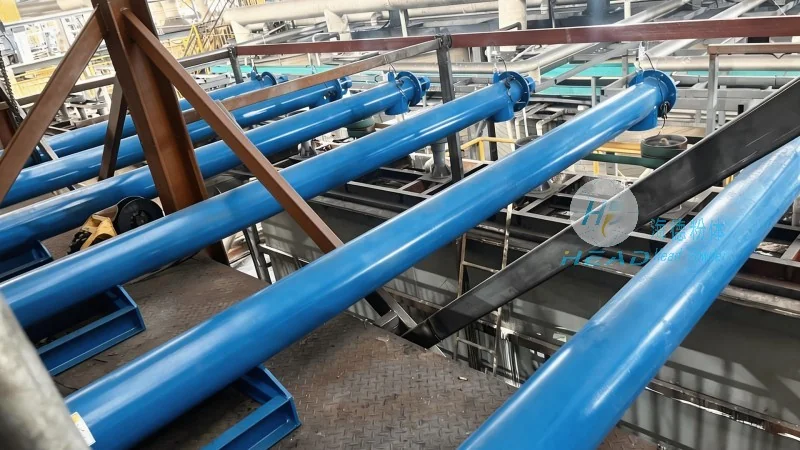
The Role of Positive and Negative Pressure Conveying in Purified Systems
In pneumatic conveying, two primary methods are used: positive pressure and negative pressure. The choice between these methods depends on the specific requirements of the application and the material being transported. Positive pressure systems, where air is blown into the conveying line, are often used for long-distance or high-volume transport, as they can maintain consistent pressure and prevent material degradation. Negative pressure systems, where air is drawn out of the conveying line, are typically used for shorter distances or when the material is sensitive to air exposure. For purified systems, both methods can be employed, but the design must ensure that the air flow is controlled to prevent contamination and maintain the material’s purity. For example, in a negative pressure system, the air intake is often filtered to remove any external contaminants, while the exhaust is directed to a collection system to prevent dust from escaping into the environment.
Applications and Industries Benefiting from Purified Pneumatic Conveying
Purified powdered material pneumatic conveying systems are widely used across various industries where material purity is paramount. These include pharmaceutical manufacturing, where the transport of active pharmaceutical ingredients (APIs) requires strict contamination control; food processing, where the handling of powders like flour or sugar must adhere to sanitary standards; and chemical processing, where the transport of sensitive chemicals demands a system that prevents cross-contamination. In each of these applications, the design principles discussed earlier are critical to ensuring that the material remains free from contaminants and that the system operates efficiently. For instance, in pharmaceutical facilities, the system may be equipped with additional filtration and sterilization steps to meet regulatory requirements, while in food processing plants, the materials are often handled in a closed system to prevent exposure to external contaminants.
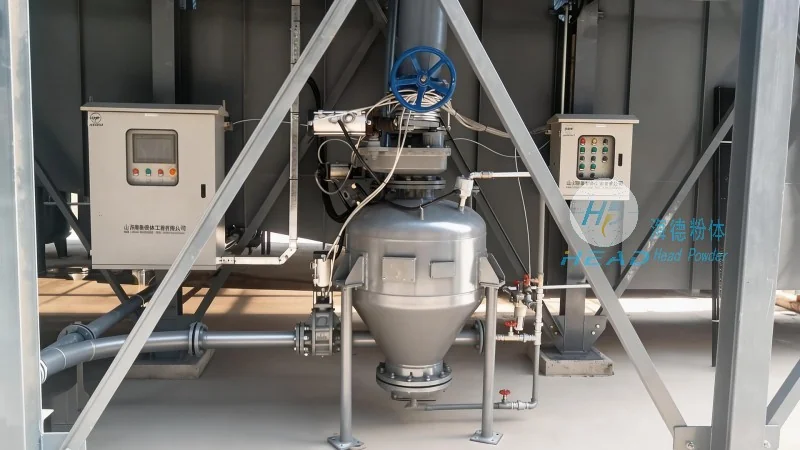
Conclusion: The Importance of Design and Maintenance in Purified Pneumatic Conveying
Ultimately, the effectiveness of a purified powdered material pneumatic conveying system depends on its thoughtful design and regular maintenance. By adhering to the principles of filtration, material compatibility, and system integrity, these systems can provide reliable and efficient transport of powders while maintaining the highest standards of purity. As industries continue to demand cleaner and more efficient material handling solutions, the importance of such systems will only grow. For companies like Shandong HeadPowder Engineering Co., Ltd., based in China, the development and implementation of these systems represent a commitment to providing high-quality, reliable solutions that meet the evolving needs of industrial clients.